
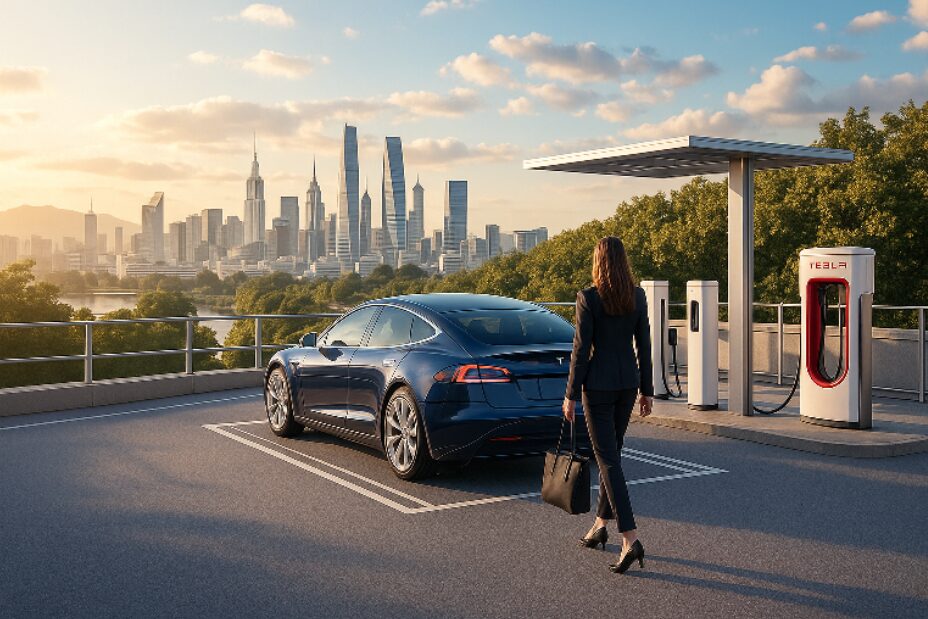
Imagine a world where your car drives itself, traffic jams are a thing of the past, and luxury Chauffeur Service options are seamlessly integrated with AI-powered vehicles—this is no longer science fiction. The automobile industry is radically transforming, fueled by cutting-edge technology redefining how we drive, commute, and even own cars. From electric vehicles (EVs) to autonomous driving systems, the future of transportation is here, and it’s smarter, faster, and more sustainable than ever before.
How Technology Has Transformed the Automobile Industry
The Evolution of the Modern Car
From Henry Ford’s assembly line to today’s autonomous vehicles, technology has always been central to the development of the automobile. Early advancements like fuel injection systems and power steering redefined automotive performance and usability. By the late 20th century, electronic control systems had revolutionized engine efficiency, emissions, and diagnostics.
Fast forward to the 21st century, and we see technological leaps like GPS navigation, real-time traffic updates, and voice-activated infotainment systems. Where vehicles were once purely mechanical, they’ve become computers on wheels, integrating hardware and software to deliver a seamless driving experience.
Key Tech Innovations Shaping the Automobile Industry
1. Electric Vehicles (EVs) and Hybrids
Electric and hybrid vehicles are leading the charge (literally and figuratively) toward producing cleaner, more sustainable automobiles.
- Battery Technology: Advances in lithium-ion and solid-state batteries have significantly increased EV range and reduced charging times.
- Charging Networks: Companies like Tesla, Rivian, and BYd have expanded charging infrastructure to make EVs more practical for mainstream users.
- Environmental Benefits: Electric vehicles (EVs) significantly reduce greenhouse gas emissions, especially when powered by renewable energy sources.
2. Autonomous Driving Systems
Autonomous vehicles (AVs) promise to transform our perspective on transportation.
- Levels of Autonomy: From advanced driver-assist systems (ADAS) to fully self-driving vehicles, companies like Waymo, Tesla, and GM’s Cruise are investing heavily in this area.
- LiDAR and AI: Self-driving systems rely on technologies such as LiDAR sensors, cameras, and AI algorithms to interpret their surroundings and make real-time decisions.
- Potential benefits: Include improved safety, reduced accidents caused by human error, and enhanced convenience.
3. Enhanced Safety Features
Technology has transformed vehicle safety from a reactive approach (airbags and crumple zones) to a proactive one.
- Collision Avoidance Systems: Sensors and cameras detect potential collisions and apply brakes or provide alerts to prevent accidents.
- Lane-Keeping Assistance: Through steering and visual cues, modern cars help keep drivers within their lanes.
- Driver Monitoring Systems: Some models include in-cabin cameras that track drivers’ attention and issue alerts if distraction is detected.
4. Connected Car Technologies
Connected cars are part of the broader Internet of Things (IoT) ecosystem, offering more innovative and efficient vehicle capabilities.
- Vehicle-to-Everything (V2X) Communication: This technology enables cars to communicate with infrastructure, other vehicles, and even pedestrians, thereby improving traffic flow and enhancing safety.
- Over-the-Air Updates: Cars now receive software updates remotely, adding new features and enhancing functionality, similar to smartphones.
- Infotainment: High-tech displays, integration with apps like Spotify and Google Maps, and voice assistants like Alexa are becoming commonplace.
How These Technologies Impact Consumers and the Industry
These innovations make cars safer, more eco-friendly, and more convenient for consumers. Buyers no longer evaluate horsepower and torque alone; they consider software features, connectivity, and sustainability.
These advances have led to new opportunities for the automobile industry. However, they have also created new challenges, such as managing software dependencies and massive investments in R&D. Traditional automakers must now compete with tech giants like Google and Apple, reshaping the competitive landscape.
Tech is Transforming Private Executive Transportation
The tech revolution in the automotive industry has reshaped the Chauffeur Service business, especially in major cities like Atlanta, New York, and Washington, D.C. Today, it’s no longer a far-fetched idea for limo businesses to incorporate modern fleets, such as Tesla, BYD, and Waymo One, into their garages. However, the rise of autonomous ride-hailing services has raised concerns among drivers and chauffeurs about their jobs.
Adapting to these changes is no longer optional for limo companies—it’s essential for survival. Businesses that fail to transition to electric and autonomous vehicles will struggle to compete, as Clients now want eco-friendly, next-level tech and premium comfort. In a tough market like Atlanta, will companies that lean into innovation dominate, while those stuck in the past fade away?
Challenges and Opportunities
While the promise of technology in the automobile industry is immense, it doesn’t come without hurdles.
Challenges
- Cost Barriers: High development and production costs for technologies such as autonomous driving and electric vehicles (EVs) may limit affordability for the average consumer.
- Regulatory Hurdles: Governments are still developing policies regarding the adoption of AVs, data privacy, and environmental standards.
- Battery Sustainability: While electric vehicles (EVs) reduce emissions, their batteries raise ecological and ethical concerns regarding mining and disposal.
Opportunities
- New Business Models: Subscription-based services—for software updates or car features unlocked on demand, such as Hyundai’s heated seats—create new revenue streams.
- Job Creation: While automation reduces the need for specific roles, it generates demand for AI specialists, software engineers, and experts in sustainability.
- Expansion into Emerging Markets: As EV production costs decrease, a significant market opportunity exists in developing nations.
Future Trends and Predictions
The automobile industry’s future lies in further convergence with technology. Here’s what to watch for in the coming years:
- Vehicle Electrification: By 2040, experts predict EVs will dominate global car sales due to stricter emissions regulations and declining battery costs.
- Full Autonomy and Ride-Sharing: By 2030, many auto experts expect self-driving cars to dominate urban centers, potentially cutting road accidents by up to 80%.
- AI-Powered Diagnostics: On the horizon are cars that can self-diagnose issues and pre-order parts before breakdowns occur.
- Enhanced Personalization: Advanced AI systems will enable deep personalization, such as adjusting seat positions and climate control, to adapt to the specific needs of individual drivers.
A Tech-Driven Future for Automobiles
Technology has cemented itself as a driving force behind the rapid evolution of the automobile industry. Each innovation pushes the boundaries of what’s possible, from EVs and autonomous vehicles to connected technologies and AI-driven analytics.
However, as with any significant transformation, challenges persist. Success will depend on balancing technological growth with sustainability, affordability, and ethical considerations.
Whether you’re a car enthusiast curious about the latest EVs or an industry analyst tracking business trends, one thing is clear: the future of automobiles will be defined by technology.
Looking to stay ahead in this innovative era? Explore how tech is transforming other sectors.