
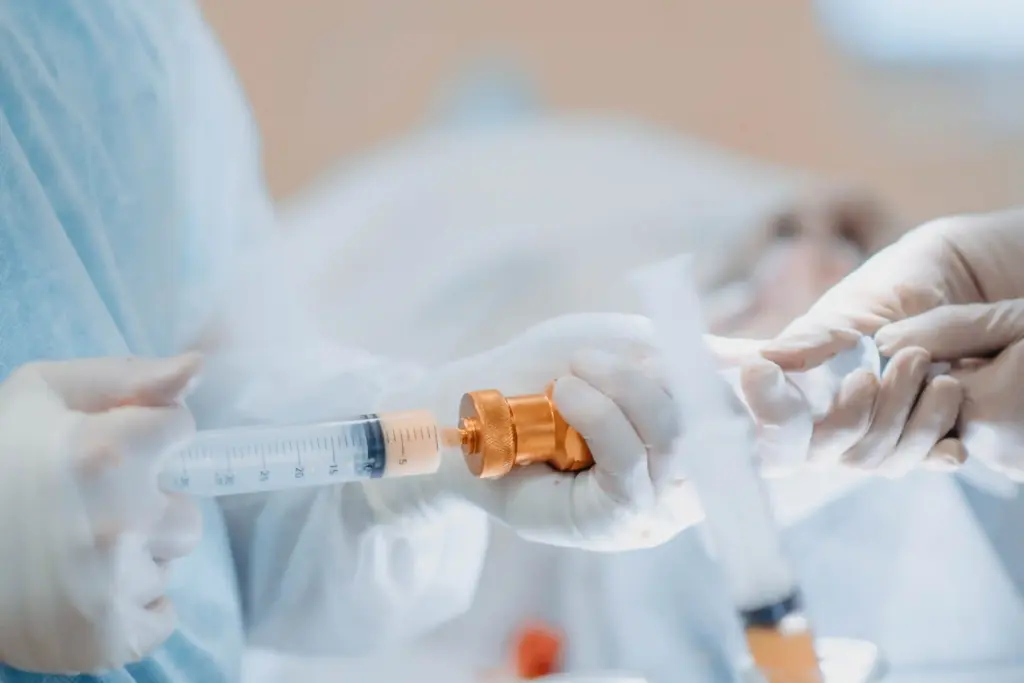
Bone marrow failure disorders are serious medical conditions that affect the body’s ability to produce healthy blood cells. Advances in regenerative medicine—particularly stem cell–based therapies—have significantly improved outcomes for patients suffering from these conditions. This article provides a comprehensive overview of Stem Cell Marrow Failure Treatment and Procedures, including causes, diagnostic approaches, treatment options, and what patients can expect throughout the process.
Understanding Bone Marrow Failure
Bone marrow is the soft tissue inside bones responsible for producing red blood cells, white blood cells, and platelets. When the marrow fails, the body cannot maintain normal blood cell levels, leading to fatigue, infections, and bleeding disorders.
Bone marrow failure may be:
- Inherited (such as Fanconi anemia)
- Acquired (such as aplastic anemia or myelodysplastic syndromes)
These conditions often require advanced medical intervention due to their progressive and potentially life-threatening nature.
Causes and Risk Factors
Several factors can contribute to bone marrow failure, including:
- Autoimmune disorders
- Genetic abnormalities
- Exposure to radiation or toxic chemicals
- Certain medications or chemotherapy
- Viral infections affecting marrow function
Identifying the underlying cause is essential for determining the most effective treatment strategy.
Diagnosis and Evaluation
Diagnosis typically involves a combination of:
- Complete blood counts (CBC)
- Bone marrow biopsy
- Genetic and molecular testing
- Immunological assessments
Specialized centers such as Liv Hospital utilize advanced diagnostic tools and multidisciplinary expertise to ensure accurate diagnosis and personalized treatment planning.
Stem Cell Marrow Failure Treatment and Procedures
Stem Cell Marrow Failure Treatment and Procedures focus on restoring healthy blood cell production by replacing damaged or dysfunctional marrow with healthy stem cells.
1. Hematopoietic Stem Cell Transplantation (HSCT)
This is the most effective treatment for severe marrow failure. Healthy stem cells are transplanted from:
- A matched sibling donor
- An unrelated matched donor
- The patient themselves (in select cases)
2. Conditioning Therapy
Before transplantation, patients undergo conditioning therapy, which may include chemotherapy or radiation to:
- Destroy defective marrow cells
- Suppress immune rejection
- Prepare the body to accept new stem cells
3. Stem Cell Infusion
Stem cells are infused intravenously, similar to a blood transfusion. These cells migrate to the bone marrow and begin producing new, healthy blood cells.
4. Post-Transplant Care
Recovery requires close monitoring to manage:
- Graft-versus-host disease (GVHD)
- Infections
- Blood count stabilization
Long-term follow-up is essential to ensure sustained recovery and improved quality of life.
Benefits of Stem Cell-Based Treatment
Stem cell marrow failure treatments offer several advantages:
- Potential for long-term or permanent cure
- Restoration of normal blood cell production
- Reduced dependence on transfusions
- Improved immune system function
With modern protocols and supportive care, survival rates and patient outcomes continue to improve.
Risks and Considerations
While highly effective, stem cell treatments carry risks such as:
- Infection during immune suppression
- Transplant rejection
- Organ toxicity from conditioning therapy
Careful patient selection, donor matching, and expert clinical oversight significantly reduce these risks.
Life After Treatment
Post-treatment recovery varies by individual but often includes:
- Gradual return of energy levels
- Regular follow-up blood tests
- Lifestyle adjustments to support immune health
Patients are encouraged to adopt holistic wellness practices alongside medical care. Resources focused on balanced living and mental well-being—such as live and feel—can offer valuable support during long-term recovery and lifestyle adaptation.
Read More From Techbullion