
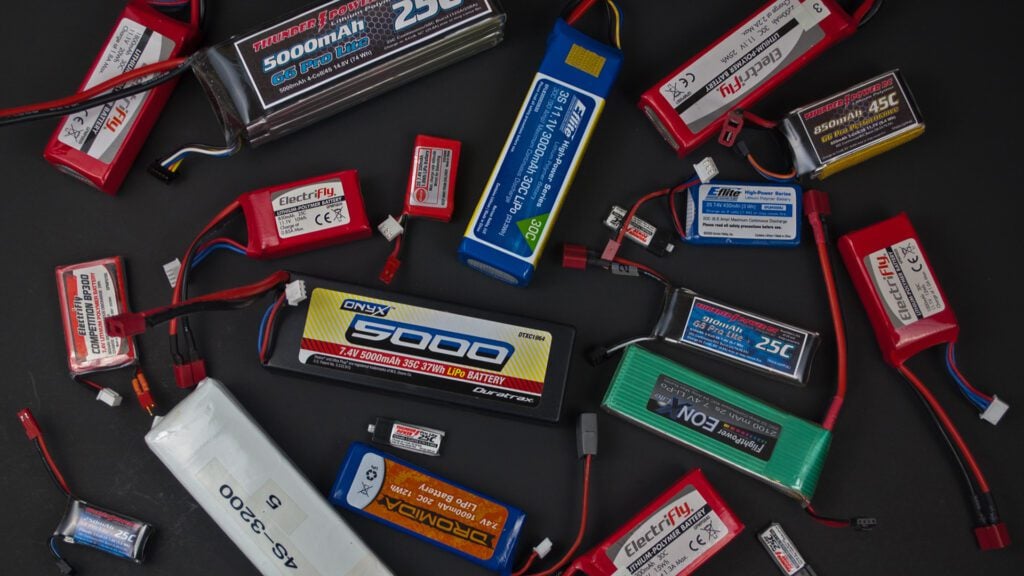
In the world of radio-controlled (RC) hobbies, whether flying a drone or racing a car, the battery is the heartbeat of your model. Proper care and safety of these batteries not only extend their life but also ensure the user’s safety and the RC model’s longevity. This article delves into essential tips and best practices for RC battery care and safety.
Understanding Different Types of RC Batteries
Before jumping into care and maintenance, it’s crucial to understand the various types of batteries used in RC models. These include Nickel-Cadmium (NiCd), Nickel-Metal Hydride (NiMH), Lithium Polymer (LiPo), and Lithium-Ion (Li-Ion). Each has its specific characteristics and handling requirements.
NiCd and NiMH Batteries
NiCd batteries are durable and can withstand a high number of charge cycles, but they have a ‘memory effect,’ which means they should be fully discharged before recharging. NiMH batteries are similar but have a higher capacity and are less prone to memory effects.
LiPo and Li-Ion Batteries
LiPo batteries are preferred for their lightweight and high energy density, delivering high currents efficiently. Li-Ion batteries are similar but more suited for consistent discharge rates over extended periods. Both types, however, require meticulous care due to their sensitivity and potential volatility.
Charging Your RC Batteries
Proper charging is vital for the health of your batteries. Always use a charger compatible with your battery type. Charging at the correct voltage and current is essential to prevent battery damage.
Charging Tips
- Never leave batteries unattended while charging.
- Avoid overcharging; it can lead to overheating and potential hazards.
- Use a balanced charger for LiPo batteries to ensure even charging of all cells.
Storage and Handling
Storing your batteries correctly when not in use is just as important as charging them correctly.
Tips for Safe Storage
- Keep batteries at room temperature in a dry, fireproof location.
- Avoid exposure to direct sunlight or extreme temperatures.
- Use a specially designed LiPo safe bag for added safety for LiPo batteries.
Regular Inspection and Maintenance
Regularly inspect your batteries for any signs of damage, such as swelling, leakage, or cracks. Damaged batteries should be disposed of properly and not used.
Maintenance Best Practices
- Keep the RC battery terminals clean and free from debris.
- Ensure that the battery casing is intact and undamaged.
- Check the voltage regularly to ensure it’s within the safe range.
Safety First
Safety should always be your top priority when handling RC batteries. Mishandling can lead to fires or explosions.
Safety Precautions
- Always follow the manufacturer’s guidelines for use and care.
- In case of a LiPo battery swelling, discontinue use immediately and dispose of it properly.
- Use appropriate safety gear, like gloves and eye protection, when handling damaged batteries.
Disposal of RC Batteries
When your batteries reach the end of their lifespan, it’s important to dispose of them responsibly. Most RC batteries contain materials that are harmful to the environment.
Responsible Disposal
- Check with local waste management services for guidelines on disposing of RC batteries.
- Never throw batteries in the trash; they should be processed through recycling or treated as special waste due to their hazardous nature.
Conclusion
Caring for your RC batteries is not just about extending their life; it’s about ensuring your safety and the performance of your RC model. By understanding the types of batteries, adhering to proper charging and storage protocols, conducting regular inspections, prioritizing safety, and responsibly disposing of old batteries, you can enjoy your RC hobby to its fullest. Remember, the time and effort you invest in battery care and safety pay dividends in both your equipment’s longevity and overall enjoyment of the hobby.