
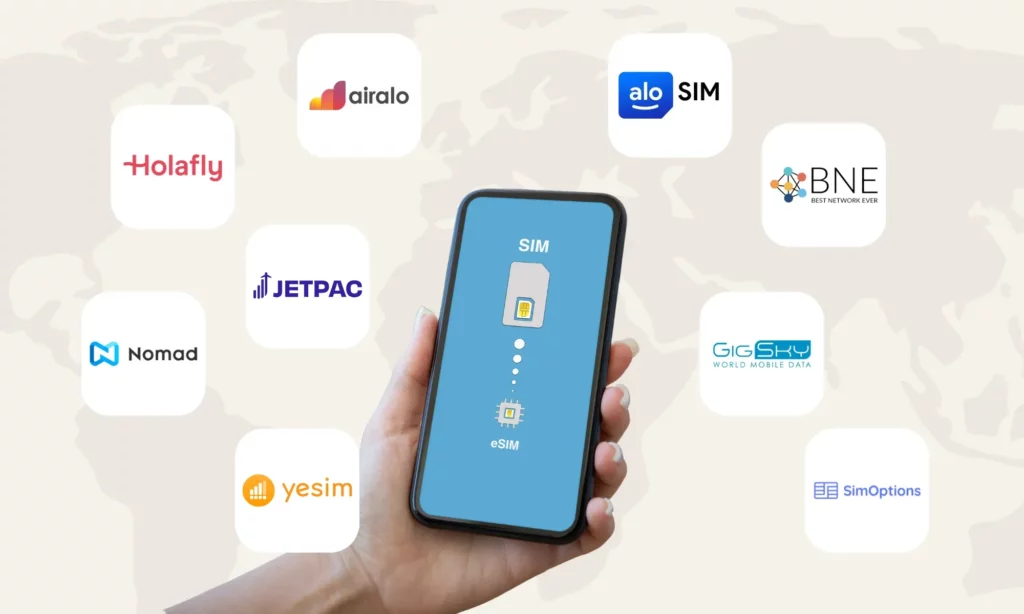
In today’s interconnected world, staying connected while traveling is more crucial than ever. Traditional SIM cards are being complemented, and sometimes even replaced, by eSIMs (embedded SIMs), offering convenience, flexibility, and often cost-effectiveness. Choosing the best eSIM plan for your trip involves considering various factors tailored to your travel needs. This guide will walk you through the essentials of comparing eSIM plans, ensuring you make an informed decision before your next adventure.
Understanding eSIMs: What Sets Them Apart?
Unlike traditional SIM cards that are physical, eSIMs are embedded directly into your device. They offer several advantages, such as:
- Flexibility: Switching between different carriers and plans without needing to physically change SIM cards.
- Convenience: Easily activating a new plan or adding data remotely, often through an app or website.
- Space-saving: Ideal for devices with limited physical space, like modern smartphones and some tablets.
Factors to Consider When Choosing an eSIM Plan
1. Coverage and Network Quality
The primary consideration when selecting any mobile plan is coverage and network quality. Research which networks offer the best coverage in your destination. Check if the eSIM provider has partnerships with local carriers to ensure seamless connectivity, especially in remote areas or during international travel.
2. Data, Calls, and SMS Allowances
Evaluate your communication needs during the trip. Consider how much data you will require for browsing, social media, navigation, and emailing. Assess if the plan includes sufficient allowances for calls and SMS, particularly if you need to communicate with locals or back home frequently.
3. Duration and Validity
Some eSIM plans are tailored for short-term travelers with specific durations (e.g., 7 days, 14 days), while others offer longer-term options. Choose a plan that matches the duration of your trip to avoid overpaying for unused days or facing interruptions due to expired services.
4. Cost-effectiveness
Compare the costs of different eSIM plans, considering both upfront fees and ongoing charges for data, calls, and SMS. Factor in any activation fees, roaming charges (if applicable), and discounts for longer durations. Calculate the total cost of ownership to determine the most cost-effective option.
5. Additional Features and Services
Some eSIM providers offer additional features like multi-country coverage, rollover data, or access to Wi-Fi hotspots. Assess these extras based on your specific travel needs and preferences. Features such as customer support availability and language options may also be important, especially when traveling abroad.
Steps to Compare eSIM Plans
Step 1: Research Providers and Plans
- Explore eSIM providers and their offerings. Look for reviews and customer feedback to gauge reliability and customer satisfaction.
- Visit provider websites or use comparison tools to see plan details, including coverage maps, data speeds, and included services.
Step 2: Assess Compatibility with Your Device
- Ensure your device supports eSIM functionality. Most modern smartphones and tablets from major manufacturers (e.g., Apple, Samsung, Google) now support eSIMs, but compatibility can vary.
- Check if your device is unlocked and compatible with the frequencies used by the eSIM provider in your destination.
Step 3: Compare Coverage Maps
- Review coverage maps provided by eSIM providers to determine which offers the best coverage in your destination. Pay attention to both urban and rural areas if you plan to travel off the beaten path.
Step 4: Evaluate Plan Details
- Compare data allowances, speeds (3G/4G/5G), and any limitations or fair usage policies that may apply. Consider how these align with your usage habits during travel.
Step 5: Consider Customer Support and Reviews
- Look into the quality of customer support offered by each eSIM provider. Check reviews or forums to see how responsive and helpful they are, especially in resolving issues during your trip.
Making Your Decision
Choosing the best eSIM plan for your trip ultimately depends on balancing your specific travel needs with the offerings of different providers. Take the time to compare eSIM plans thoroughly, considering factors like coverage, data allowances, cost-effectiveness, and additional features. By doing so, you can ensure seamless connectivity and enjoy a hassle-free travel experience with your chosen eSIM plan.
Conclusion
As technology continues to evolve, eSIM comparison represents a convenient and versatile solution for travelers seeking reliable mobile connectivity worldwide. By understanding the nuances of eSIM plans and comparing them effectively, you can select the best option suited to your travel itinerary and communication requirements. Whether it’s for a short business trip or an extended vacation, choosing the right eSIM plan ensures you stay connected wherever your adventures take you.