
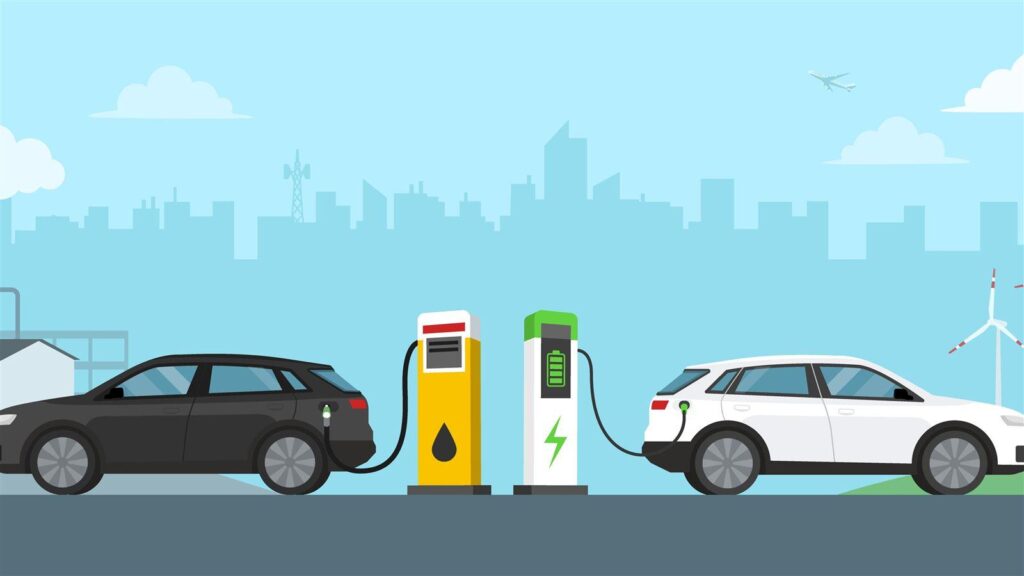
As businesses increasingly focus on sustainability, transitioning fleets to electric vehicles (EVs) has become a priority. Whether your company operates a small group of delivery vans or a large network of trucks, the move to electric vehicles can reduce operating costs, lower emissions, and future-proof your fleet. For fleets that require specialized systems, such as hydraulic design, planning the transition carefully ensures seamless integration and performance. However, making this transition requires careful planning and execution. From evaluating needs to final implementation, this guide walks you through the key steps to ensure a smooth transition.
Why Transition to Electric Vehicles?
Before diving into the process, it’s important to understand the benefits of electrifying your fleet:
- Cost Savings: Lower fuel costs, reduced maintenance, and potential government incentives can lead to significant long-term savings.
- Environmental Impact: EVs produce zero tailpipe emissions, helping companies reduce their carbon footprint.
- Regulatory Compliance: Many regions are tightening emissions regulations, making electric fleets a proactive solution.
- Enhanced Reputation: Companies embracing sustainability appeal more to environmentally conscious consumers.
Given these advantages, transitioning to EVs isn’t just a trend; it’s a strategic investment.
Step 1: Assess Your Fleet’s Needs
Start by analyzing your current fleet’s performance and usage patterns. Key considerations include:
- Driving Range Requirements: Evaluate average daily mileage to determine if EVs can meet your operational needs.
- Load Capacity: Assess whether available EV models can handle the required payload.
- Charging Access: Identify whether your routes align with existing charging infrastructure or if in-house charging stations need to be installed.
- Total Cost of Ownership (TCO): Compare the purchase price, fuel savings, and maintenance costs of EVs with traditional vehicles.
Conducting this analysis helps you select the right type of EVs and plan for potential challenges.
Step 2: Develop a Transition Plan
A phased approach ensures a smooth transition. Outline a detailed plan that includes:
- Pilot Programs: Start with a small number of EVs to test performance and identify areas for improvement.
- Timelines: Set realistic goals for fleet conversion, whether gradual integration over several years or a faster adoption pace.
- Budgeting: Account for initial costs, including vehicle purchases, charging infrastructure, and staff training.
- Partnerships: Collaborate with manufacturers and hydraulic design specialists if your fleet includes vehicles requiring custom modifications.
A well-structured plan minimizes disruptions and allows for adjustments as needed.
Step 3: Build Charging Infrastructure
Charging availability is critical to the success of an electric fleet. Consider the following steps:
- Site Assessment: Evaluate parking facilities to determine the best locations for charging stations.
- Charger Types: Install Level 2 chargers for overnight charging or DC fast chargers for rapid refueling during the day.
- Power Supply: Ensure electrical capacity meets future energy demands. Work with utility providers to secure upgrades if necessary.
- Software Management Systems: Invest in tools to monitor and manage charging schedules efficiently.
Partnering with an experienced provider can streamline infrastructure development and avoid costly delays.
Step 4: Train Your Team
Employees need to feel confident operating and maintaining EVs. Provide comprehensive training programs covering:
- Vehicle Operation: Teach drivers about EV-specific features such as regenerative braking and energy management.
- Charging Procedures: Demonstrate how to safely connect and disconnect chargers.
- Emergency Protocols: Develop plans for dealing with breakdowns or battery issues.
- Fleet Management Tools: Familiarize staff with software to monitor performance and schedule maintenance.
Ongoing training keeps your workforce prepared as the fleet evolves.
Step 5: Monitor Performance and Optimize Operations
Once your EV fleet is operational, continuous monitoring ensures optimal performance and highlights areas for improvement:
- Analyze Data: Use telematics systems to track energy consumption, mileage, and charging patterns.
- Identify Bottlenecks: Address issues such as range limitations or slow charging times quickly.
- Optimize Routes: Plan routes to reduce energy use and maximize efficiency.
- Maintenance Schedules: Track battery health and schedule preventative maintenance to avoid unexpected downtime.
Regular performance reviews keep operations efficient and maximize ROI.
Overcoming Common Challenges
While transitioning to EVs offers numerous benefits, challenges may arise. Here’s how to tackle them:
- High Upfront Costs: Leverage government grants, tax credits, and financing programs to offset initial expenses.
- Charging Limitations: Partner with public charging networks to supplement your private infrastructure.
- Range Anxiety: Invest in vehicles with extended ranges and implement route optimization to minimize concerns.
- Technology Adoption: Address staff resistance through ongoing education and engagement initiatives.
Anticipating these challenges ensures smoother implementation.
Conclusion: Future-Proof Your Fleet with Electric Vehicles
Transitioning your fleet to electric vehicles is a forward-thinking decision that combines cost savings, environmental responsibility, and compliance with future regulations. By assessing your fleet’s needs, planning strategically, building the right infrastructure, and training your team, the shift to EVs can be seamless.
Businesses looking to integrate advanced systems, such as hydraulic design for specialized EVs, can further optimize performance and sustainability. With careful planning and execution, your fleet can lead the charge toward a greener, more efficient future.