
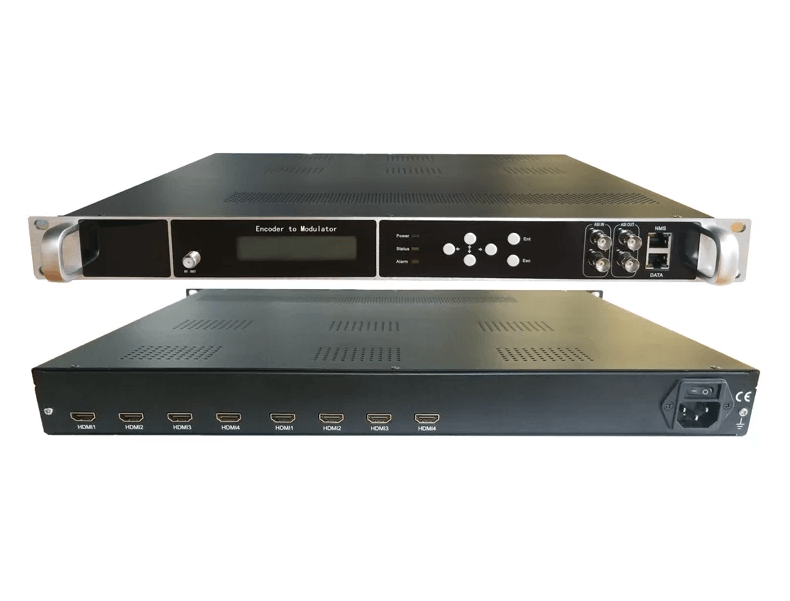
In the realm that of the audiovisual distribution HDMI modulators and RF modulators play a crucial role in the process of converting and transmitting audio and video signals. They both fulfill the role of modulation as well, they serve different requirements and technology.
This guide will discuss:
- What exactly is an HDMI modulator? And how can it be used?
- What exactly is an RF Modulator and its primary functions?
- The key distinctions between HDMI and the RF modulators
- The most common applications of every kind of
- How to select the correct modulator for your particular setup
In the end you’ll have a clear knowledge of which one best fits your needs, whether for commercial audio systems or broadcasting applications.
What Is an HDMI Modulator?
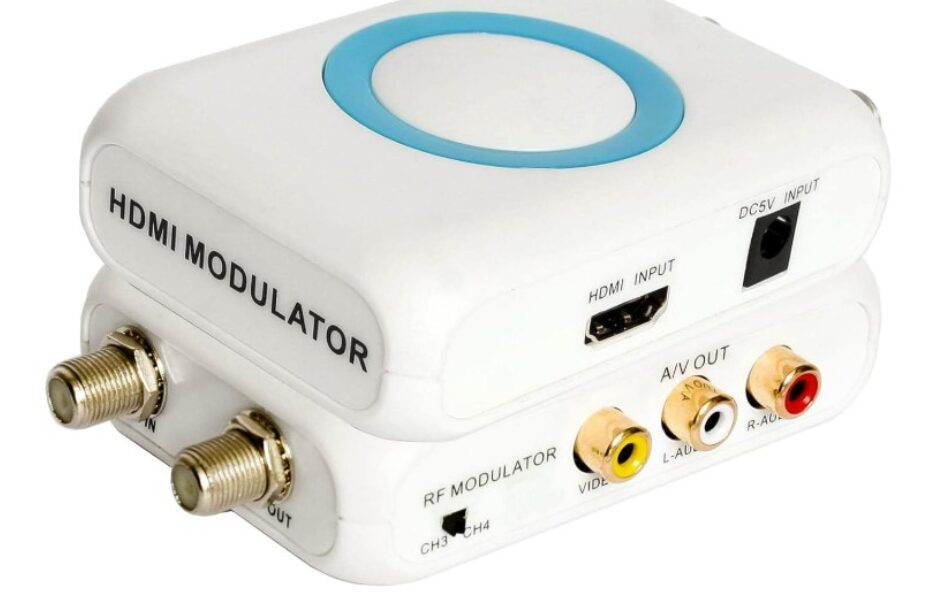
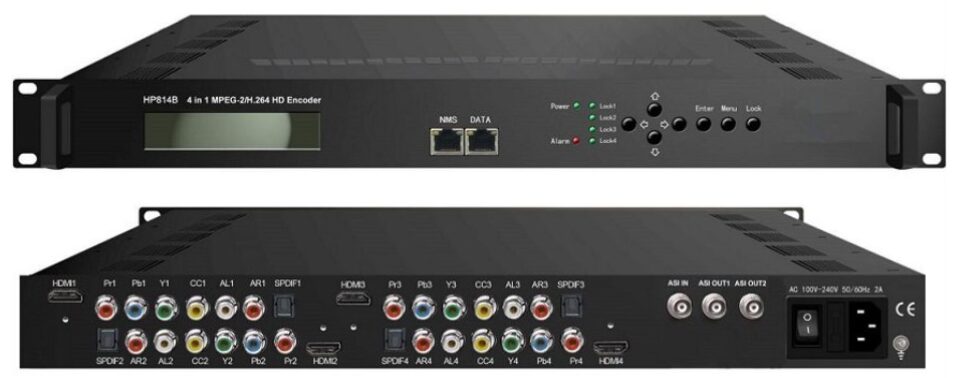
The HDMI moderator is an equipment which converts the HDMI signal into an format which can be distributed via coaxial cables IP networks, coaxial cable, and RF system. This allows high-definition video content from sources such as Blu-ray players, gaming consoles and streaming players to be distributed across multiple screens without loss of signal.
Key Features of HDMI Modulators
- supports 1080p/4K resolution – Provides the highest quality video output
- Secured signal compatibility works with HDCP-protected content
- Distribution across multiple channels is able to transmit to multiple televisions at once
- the capability to stream IP Certain models allow distributed via networks
Common Applications
Systems for digital signage (shopping malls airports, shopping malls)
Hospitality TV Distribution (hotels and hospitals)
Education institutions (lecture halls and classrooms)
To get a deeper understanding of HDMI modulators look into this comprehensive guide to HDMI moderators.
What Is an RF Modulator?
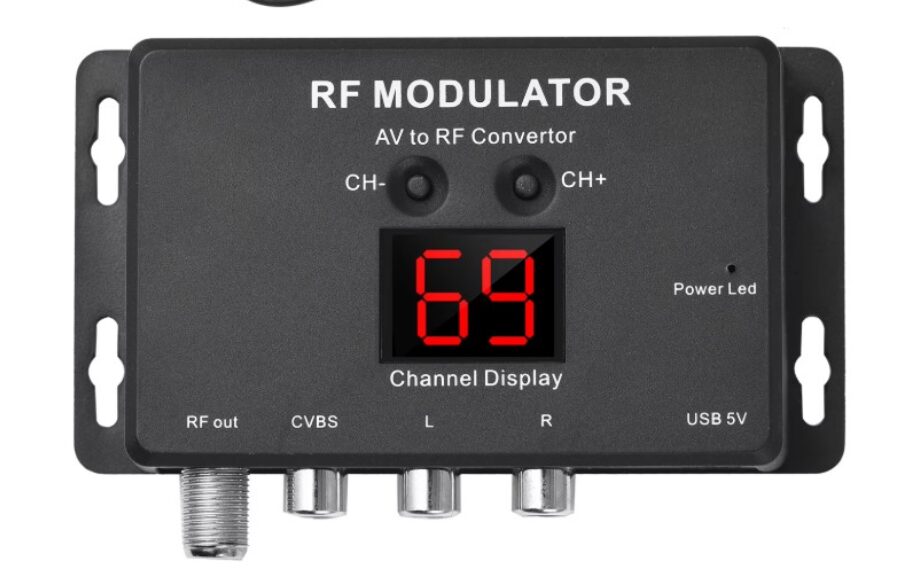
A the RF moderator (Radio Frequency Modulator) transforms baseband audio and video signal (such like composite or component HDMI) into the radio frequency-based signal suitable for older TVs and traditional distribution methods.
Key Features of RF Modulators
- Conversion of analog signals works for older systems of TV
- Tuning of channels – Variable frequencies output (e.g. Channel 3, or 4)
- Simple configuration Plug-and-play capability
- Compatible with devices from the past (VCRs and DVD players and old gaming consoles)
Common Applications
Retro gaming systems (connecting older consoles with modern TVs)
Cable TV headend systems
Analog surveillance systems
For more information about modulators for RF take a look at this comprehensive guide on RF modulators..
HDMI Modulator vs. RF Modulator: Key Differences
| Feature | HDMI Modulator | RF Modulator |
| Signal Type | Digital (HDMI) | Analog (RF) |
| Resolution | 1080p/4K | 480i/576i (SD) |
| Compatibility | Modern HDTVs | Older CRT/Analog TVs |
| Distribution | IP/Coaxial | Coaxial only |
| Use Case | Systems for Digital Television, IPTV | Legacy AV systems, retro setups |
Which One Should You Choose?
- For HD content distribution – HDMI modulator
- For analog systems or retro devices – RF modulator
How to Install and Use HDMI & RF Modulators
HDMI Modulator Setup
- Then connect your HDMI sources (e.g. the media player) to the modulator.
- Connect the modulator to an distributer (for multi-TV configurations).
- Make sure that TVs are tuned to the appropriate channel (varies depending on the model).
RF Modulator Setup
- Connect the audio source (e.g. dvd player) to the modulator.
- Connect the modulator to the coaxial splitter if required.
- Select an output channel (e.g. channel 3) and then scan for the TV signal.
For step-by-step directions, refer to:
- HDMI Modulator Installation guide
- Modulator RF setup suggestions
Conclusion on HDMI and RF Modulator
The decision between the HDMI modular or an RF modulator will depend on your particular requirements:
- HDMI moderators are the ideal choice in the latest, ultra-high definition broadcasting.
- Modulators for RF are the best choice for old analog systems as well as retro configurations.
If you’re not sure what one is best for your needs look into these detailed resources:
- HDMI Modulator Explained
- RF Modulator Breakdown
Both are crucial in AV systems Understanding their distinctions will help you make the best decision for a seamless distribution of signals.