
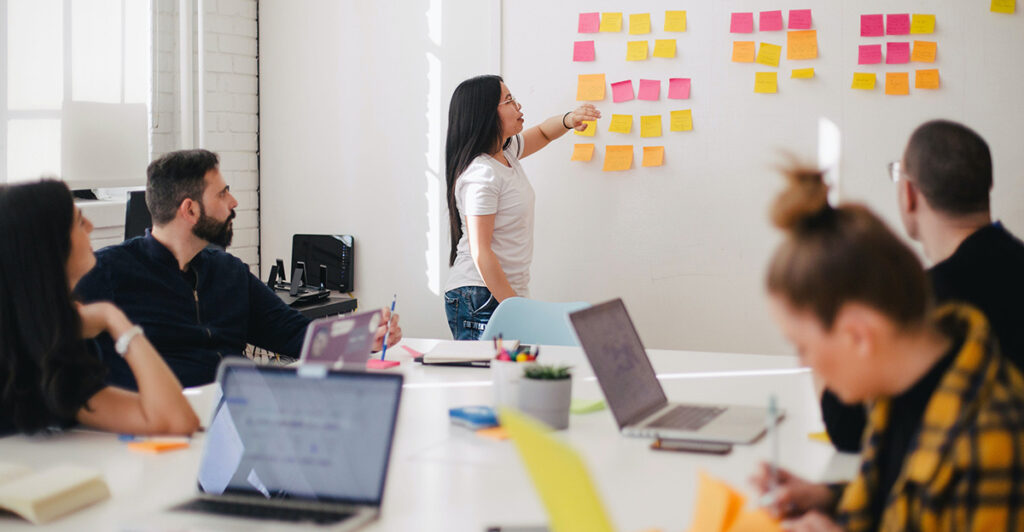
In today’s fast-paced world, effective communication, collaboration, and problem-solving have become vital. This is where facilitators play a critical role. A facilitator is more than just someone who manages a meeting or workshop; they create an environment where ideas can flourish, teams can align, and outcomes can be achieved efficiently. But being a great facilitator doesn’t happen overnight. It requires ongoing development, reflection, and refinement of facilitation skills.
If you are already a good facilitator, you may be asking: how can you move from good to great? In this blog, we will explore strategies, habits, and insights that can help facilitators continuously improve and elevate their practice over time.
Understanding the Core of Facilitation
At its essence, facilitation is about guiding a group toward achieving shared goals while ensuring that every participant’s voice is heard. Strong facilitation skills help bridge communication gaps, resolve conflicts, and promote collaboration.
Some of the core elements of facilitation include:
- Active Listening – Understanding not just what is said, but also the emotions and intentions behind the words.
- Neutrality – Remaining impartial to encourage open dialogue.
- Structure – Designing clear processes and agendas that help groups stay focused.
- Adaptability – Adjusting to the unexpected and staying flexible.
Recognising these foundations is the first step for facilitators who want to improve.
Why Ongoing Development Matters for Facilitators
Facilitation is not a static skill; it evolves with practice, feedback, and exposure to different situations. Just like athletes or musicians, facilitators must consistently refine their skills to stay effective. Here’s why continuous improvement is essential:
- Changing Group Dynamics – Every group is unique. What worked with one team may not resonate with another.
- Evolving Work Environments – Hybrid and remote work settings demand new approaches to keep people engaged.
- Personal Growth – As facilitators gain experience, their ability to handle complex situations and diverse perspectives improves.
- Higher Expectations – Organisations increasingly rely on facilitators to drive innovation, strategic alignment, and problem-solving.
Practical Ways Facilitators Can Improve Their Skills Over Time
1. Embrace Continuous Learning
The best facilitators never stop learning. Whether through professional training, online courses, or reading books on facilitation and leadership, expanding knowledge keeps facilitators sharp. Attending conferences or joining facilitation communities also provides fresh perspectives.
2. Seek Constructive Feedback
Feedback is a powerful growth tool. After sessions, facilitators should ask participants what worked well and where improvements could be made. Honest feedback helps identify blind spots and areas for refinement.
3. Practice Mindful Listening
Great facilitators are exceptional listeners. Practising mindful listening helps facilitators truly understand participants rather than simply preparing responses. This builds trust and encourages deeper engagement.
4. Develop Emotional Intelligence
Emotional intelligence (EQ) is critical for facilitators. Recognising emotions in yourself and others, managing stress, and showing empathy helps in creating a safe and inclusive space where participants feel valued.
5. Master the Art of Asking Questions
Powerful questions can unlock insights and spark creativity. Facilitators should learn to ask open-ended questions that encourage reflection and dialogue rather than yes/no responses.
6. Build Confidence in Handling Conflict
Conflict is natural in group discussions. Skilled facilitators don’t shy away from it; instead, they navigate it constructively. Developing conflict resolution skills helps facilitators maintain harmony and keep the group focused on goals.
7. Experiment with New Tools and Techniques
Technology and facilitation methods are constantly evolving. From digital whiteboards to structured brainstorming techniques, trying new tools keeps sessions fresh and engaging.
8. Reflect and Self-Assess
After each facilitation session, take time to reflect: What went well? What could be improved? Reflection helps facilitators identify growth opportunities and build on their strengths.
9. Strengthen Time Management Skills
Great facilitators know how to balance time – ensuring discussions are productive without rushing participants. Learning to prioritise agenda items and manage time respectfully is a valuable skill.
10. Stay Neutral but Engaged
Maintaining neutrality doesn’t mean being detached. Facilitators must engage participants, encourage contributions, and guide discussions without imposing personal opinions.
The Journey from Good to Great Facilitator
Moving from being a good facilitator to a great one requires intention and persistence. Here’s what differentiates great facilitators:
- Good facilitators follow a plan; great facilitators design processes that adapt to the group’s needs.
- Good facilitators manage conversations; great facilitators inspire meaningful dialogue and collective ownership.
- Good facilitators resolve conflicts; great facilitators turn conflicts into opportunities for growth and innovation.
- Good facilitators ensure participation; great facilitators make every participant feel heard and valued.
Future Trends in Facilitation
As the workplace continues to evolve, facilitators must prepare for new challenges and opportunities. Some trends shaping the future of facilitation include:
- Hybrid Collaboration – Balancing in-person and virtual participation effectively.
- Inclusive Facilitation – Ensuring diverse voices are not only included but celebrated.
- Technology Integration – Leveraging AI, interactive platforms, and data-driven insights for more engaging sessions.
- Focus on Well-being – Creating psychologically safe spaces where participants feel comfortable sharing openly.
Conclusion
Facilitation is both an art and a science. To go from good to great, facilitators must commit to continuous growth, embrace feedback, and refine their facilitation skills over time. By practising active listening, mastering emotional intelligence, experimenting with new tools, and adapting to evolving work environments, facilitators can transform ordinary group interactions into extraordinary outcomes.
Great facilitators don’t just lead discussions—they empower people, unlock creativity, and inspire collaboration. If you are ready to elevate your facilitation skills, remember: improvement is a journey, not a destination. Each session is an opportunity to grow, reflect, and move one step closer to greatness.