
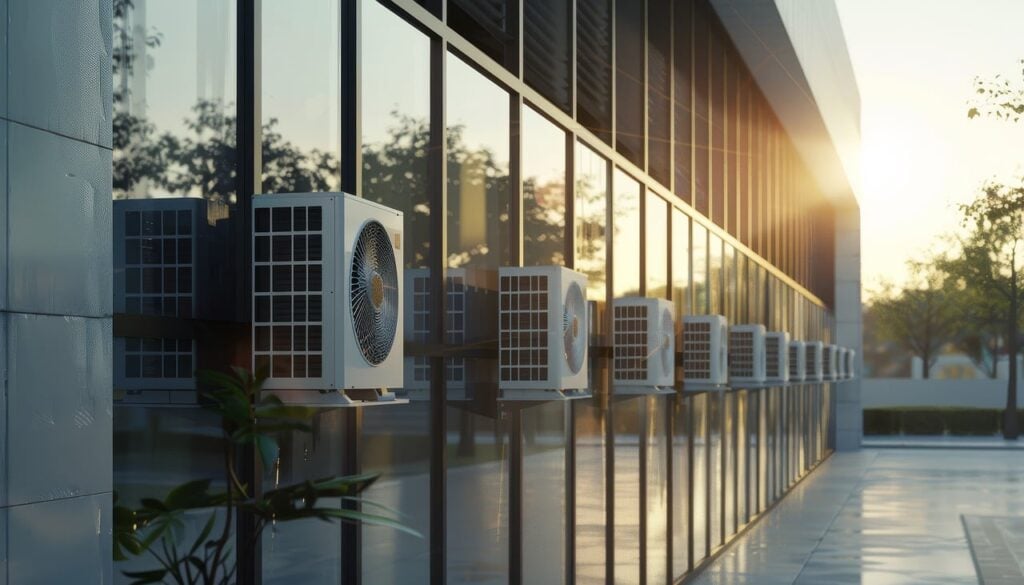
Your HVAC system works hard year-round to keep your home comfortable—whether that means cooling down sweltering summer afternoons or warming up frosty winter mornings. Yet many homeowners overlook one critical responsibility: regular HVAC maintenance. Without it, your system will likely wear out faster, lose efficiency, and cost you more in energy and repairs over time.
The good news? With just a few simple maintenance tricks, you can extend the lifespan of your HVAC system, improve its performance, and even save money. Whether you’re a DIY enthusiast or prefer to call in professionals for regular HVAC tune-ups, this guide covers the essential steps to keeping your system running smoothly for years to come.
- Schedule a Regular HVAC Tune-Up
An HVAC tune-up is one of the most effective ways to maintain your system’s health. Think of it like a physical check-up for your heating and cooling equipment. During a tune-up, a licensed technician will inspect, clean, and adjust various components to ensure optimal performance.
Benefits of routine HVAC tune-ups include:
- Early detection of wear or damage
- Improved energy efficiency
- Fewer breakdowns and costly repairs
- Longer system lifespan
- Better indoor air quality
Experts recommend scheduling an HVAC tune-up at least once a year—ideally in spring for your cooling system and in fall for your heating system.
- Change Air Filters Regularly
Dirty or clogged air filters can severely restrict airflow, forcing your system to work harder and reducing its efficiency. Over time, this strain can lead to overheating, component failure, and even complete system breakdown.
Maintenance tip:
Check your air filter once a month and replace it every 1–3 months, depending on usage, filter type, and whether you have pets or allergy sufferers at home.
High-efficiency pleated filters offer better filtration and last longer than standard fiberglass filters, making them a smart investment in your system’s longevity.
- Clean the Outdoor Unit
Your outdoor condenser unit is exposed to the elements all year long. Dirt, leaves, grass clippings, and other debris can collect around it and hinder heat exchange, decreasing your system’s efficiency and increasing wear on the compressor.
Simple maintenance steps:
- Turn off power to the unit before cleaning
- Remove visible debris with gloves or a shop vac
- Rinse the fins gently with a garden hose
- Trim back any vegetation within 2 feet of the unit
Doing this a few times per year—especially in the spring and fall—can prevent overworking your system and extend its useful life.
- Keep Vents and Registers Clear
Proper airflow is essential for your HVAC system to function effectively. Blocked vents and registers cause pressure imbalances and uneven temperature control, which can stress the system.
Easy ways to improve airflow:
- Avoid placing furniture, rugs, or drapes over supply or return vents
- Clean dust and pet hair from vents regularly
- Make sure dampers are open if you’re heating or cooling a space
Maintaining good airflow helps your system operate more efficiently and extends its lifespan by reducing strain.
- Seal and Insulate Ductwork
Leaky ductwork can cause significant energy loss—up to 30% in some cases. That means your HVAC system has to work harder to maintain the desired temperature, leading to increased wear and tear.
Signs of duct leaks:
- Rooms that are difficult to heat or cool
- Higher-than-normal energy bills
- Excessive dust in your home
To prevent this, inspect your ducts for holes or disconnected sections. Use mastic sealant or foil-backed tape to seal leaks and consider adding insulation in unconditioned areas like attics or crawl spaces.
- Use a Programmable Thermostat
A programmable or smart thermostat can optimize your HVAC usage by adjusting temperature settings based on your schedule. This not only saves energy but also reduces unnecessary strain on your system when you’re away or asleep.
Tips for thermostat use:
- Set it a few degrees higher in summer or lower in winter when you’re not home
- Use vacation mode when you’re traveling
- Avoid drastic temperature swings, which force the system to work harder
The less your system runs unnecessarily, the longer it will last.
- Keep an Eye (and Ear) Out for Trouble
Early signs of HVAC trouble are easy to ignore—until they become expensive repairs. Pay attention to strange sounds, unusual odors, or inconsistent performance.
Common red flags include:
- Rattling, banging, or squealing noises
- A sudden spike in your energy bill
- Inconsistent heating or cooling
- Frequent cycling on and off
If you notice these symptoms, schedule an HVAC tune-up or inspection right away to address problems before they escalate.
- Ensure Proper Drainage
Your air conditioner removes humidity as part of the cooling process, which drains through a condensate line. If this drain becomes clogged, it can lead to water damage, mold growth, and system failure.
How to maintain it:
- Check the condensate drain regularly
- Flush it with a mixture of vinegar and water every few months
- Look for standing water or water damage near the indoor unit
Clean drainage is a small step that plays a big role in HVAC system health.
- Upgrade Insulation and Windows
If your home has poor insulation or drafty windows, your HVAC system has to work much harder to maintain comfortable temperatures. Investing in energy-efficient insulation and windows reduces that burden and helps your system last longer.
Ways to improve insulation:
- Add weatherstripping or caulk around doors and windows
- Upgrade attic or wall insulation
- Install thermal curtains to block heat or cold
These improvements pay off in energy savings and HVAC longevity.
- Establish a Maintenance Calendar
Even if you’re diligent about some tasks, it’s easy to forget others—especially seasonal ones. Creating a maintenance calendar ensures you stay on track with HVAC tune-ups and other essential upkeep.
Include reminders for:
- Air filter changes
- Spring and fall HVAC tune-ups
- Outdoor unit cleaning
- Thermostat settings updates
- Drainage line checks
A few scheduled check-ins a year can save you thousands over the lifetime of your system.
Prevention Pays Off
Your HVAC system is one of the most expensive appliances in your home. Treat it well, and it will reward you with reliable, efficient comfort for years to come. From changing air filters to scheduling annual HVAC tune-ups, small steps really do add up.
Whether you’re planning ahead for seasonal changes or just trying to get more value out of your system, these maintenance tips provide a strong foundation for long-term HVAC health. Don’t wait for your system to break down—start maintaining it today, and enjoy lower energy bills, fewer repairs, and peace of mind.
Further reading: PBX Phone System: What It Is And How It Works.