
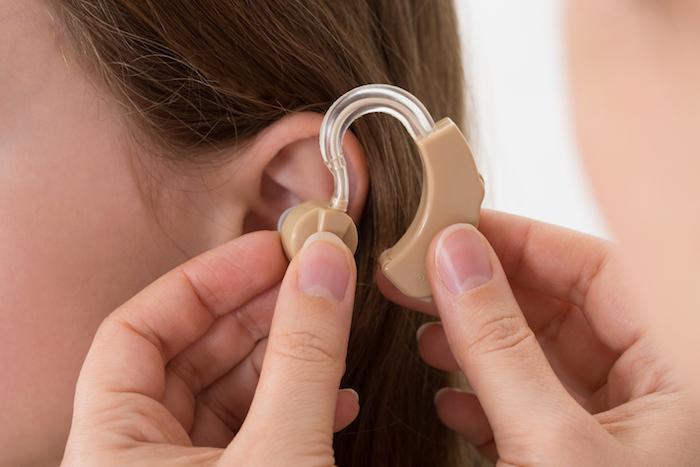
For many individuals, hearing loss emerges gradually, with soft-spoken words and subtle sounds fading before they realize what’s happening. Perhaps you find yourself struggling to follow discussions in noisy cafés or feeling self-conscious about asking friends to repeat themselves. Left unaddressed, these minor inconveniences can spiral into larger issues, impacting emotional well-being, social connections, and even job performance. Fortunately, hearing aids have evolved dramatically, offering solutions that seamlessly integrate into modern lifestyles and restore clarity to day-to-day interactions.
The Growing Need for Hearing Support
Hearing loss isn’t solely a symptom of aging; younger adults, teens, and even children may experience diminished hearing due to factors like prolonged noise exposure, certain medical conditions, or genetic predispositions. Regardless of the cause, the primary consequence is often the same: a growing distance from conversations, events, and opportunities that once felt effortless.
- Social Isolation: When you can’t follow group chatter, it’s easy to retreat from gatherings, dinners, and parties you previously enjoyed. Over time, this withdrawal may fuel loneliness or depression.
- Workplace Challenges: From presentations to conference calls, professional environments rely heavily on clear communication. Hearing difficulties can hinder collaboration or lead to misunderstandings about important tasks.
- Safety Concerns: Auditory cues play a critical role in alerting us to dangers, such as oncoming traffic or a buzzing smoke detector. Impaired hearing may compromise personal safety in these scenarios.
Because of these wide-ranging effects, addressing hearing loss early is key to maintaining a balanced, fulfilled life.
Components of Modern Hearing Aids
Contemporary hearing aids are engineered with sophisticated features that surpass simple amplification:
- Smart Noise Management: Algorithms within these devices can differentiate between voice patterns and environmental noise, reducing the roar of traffic or background chatter while highlighting the speaker’s voice.
- Directional Microphones: Some models let you focus on the person in front of you, dampening peripheral sounds—ideal for busy restaurants or family gatherings where multiple conversations overlap.
- Custom Fit: Instead of the bulky shapes of past generations, options now include canal-fitting devices, behind-the-ear casings, or receiver-in-canal styles. Many designs blend discreetly with hair and ear contours.
- Wireless Connectivity: As digital technology progresses, it’s become common for hearing aids to pair directly with smartphones, televisions, and other gadgets—providing a personalized audio feed for calls, music, or streaming content.
- Rechargeable Systems: To cut down on hassle and expense, numerous models offer integrated rechargeable batteries. Users simply place them in a charging station overnight, eliminating the guesswork of when disposable cells might die.
Combined, these capabilities result in a significantly enhanced user experience, where the device does much of the work in adjusting and tailoring sound to your surroundings.
Overcoming Stigma and Misconceptions
Despite medical professionals emphasizing the importance of early intervention, some individuals remain reluctant to seek hearing assistance:
- Vanity: They worry hearing aids are visible and “unattractive.” Yet modern styles are often so subtle that acquaintances may not even notice.
- Cost: Many assume that advanced hearing aids are prohibitively expensive. While certain premium models carry higher price tags, the market also contains more budget-friendly devices, especially from direct-to-consumer providers.
- Acceptance: Some dread acknowledging a decline in hearing ability. However, confronting the issue generally leads to better outcomes—both socially and mentally—since the strain of compensating for hearing deficits diminishes.
By addressing myths head-on, more people are discovering how hearing aids can actually boost self-assurance and open doors that untreated hearing issues would otherwise keep closed.
Life-Enriching Benefits
When individuals finally decide to try hearing aids, they often describe the improvement as nothing short of transformative:
- Rekindled Connections: No longer straining to catch words, you can rejoin the flow of friendly banter, share in private whispers, and navigate group engagements without the anxiety of mishearing.
- Less Mental Fatigue: Constantly decoding partial sounds and guessing the conversation’s context can be exhausting. Proper amplification alleviates this burden, leaving you with more energy and focus for other pursuits.
- Renewed Confidence: Perhaps you’ve avoided social gatherings, collaborative projects, or even phone calls because hearing felt too cumbersome. Hearing aids ease such obstacles, helping you step back into these spheres confidently.
- Greater Safety: From crossing busy streets to hearing an alarm, improved auditory perception can offer peace of mind when it comes to personal safety.
Tips for a Smooth Transition
- Be Consistent: Wearing your hearing aids daily helps the brain quickly adjust and interpret the newly amplified sounds. Occasional use can delay or complicate the adaptation process.
- Keep Them Clean: Dirt, earwax, and moisture can impede performance. Follow guidelines for gentle cleaning and, if your environment is humid, consider storing the devices in a dehumidifier kit overnight.
- Stay in Touch with Specialists: Hearing can fluctuate, and technology sometimes needs minor tweaks. Regular check-ins with a hearing professional or telecare specialist ensure your device remains optimal over time.
- Embrace Supportive Techniques: Even with top-notch aids, communication strategies—like looking directly at the speaker, controlling background noise, or clarifying if you miss a word—remain valuable in maximizing comprehension.
Learning to Hear Again
Many who’ve experienced untreated hearing loss for years describe a “reawakening” once they don hearing aids. Everyday noises like birds singing at dawn, soft laughter from across the room, or the rustle of leaves in a gentle breeze suddenly return with stunning clarity. The emotional impact can be profound: relief, nostalgia, and a renewed appreciation for life’s subtle details.
Adapting to hearing aids requires a short period of patience, but the rewards—fuller social engagement, sharper focus, and heightened confidence—are well worth the initial investment of time and resources. Friends and family often notice a transformation in mood, enthusiasm, and willingness to participate in group settings.
Moving Forward
If you’ve suspected hearing decline or recognized recurring issues in noisy environments, now is the time to act. Modern hearing aids grant access to refined settings, advanced connectivity, and discreet designs that seamlessly fit into different lifestyles. With professional guidance, you can choose a model optimized for your unique hearing profile, environment, and comfort preferences.
Don’t let the fear of change or outdated misconceptions deter you from seizing the opportunity to hear the world in vivid detail. Embracing cutting-edge hearing solutions can reinvigorate your relationships, expand career possibilities, and bring tranquility to daily tasks. Ultimately, preserving and restoring your hearing is an empowering choice—one that underscores your commitment to a rich and engaging life.