
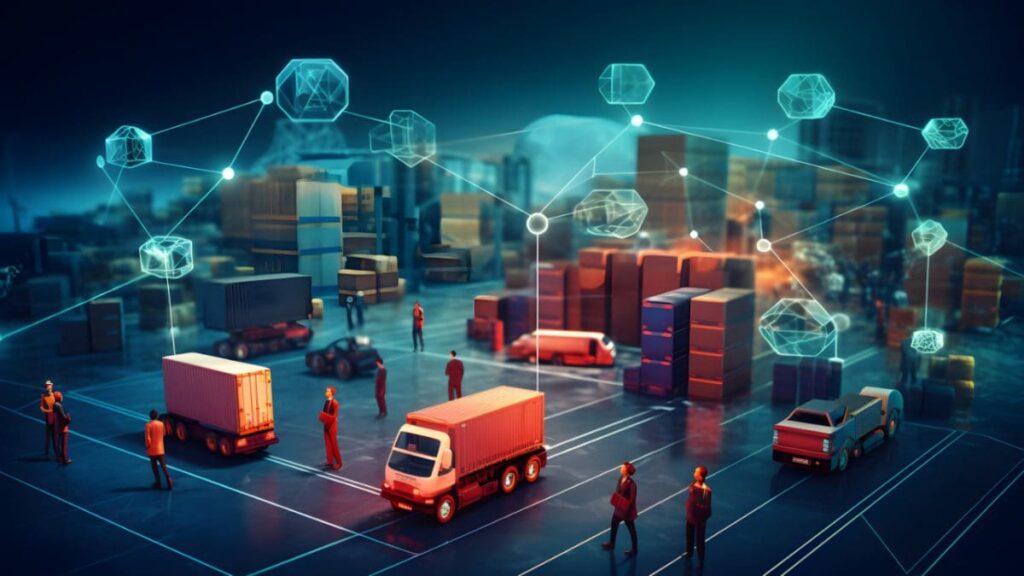
The moving and logistics industry, traditionally characterised by manual processes and paperwork, is experiencing a profound digital transformation.
From AI-powered inventory management to route optimisation algorithms, technology is revolutionising how moving companies operate and deliver services.
This digital evolution is creating remarkable efficiencies for both residential small removals and commercial business logistics operations.
The Tech Revolution in Moving Services
Mobile Applications: The Customer-Facing Revolution
The most visible aspect of the digital transformation in moving services is the proliferation of user-friendly mobile applications. These apps have transformed the customer experience by providing:
- Instant quote generation through photo-based inventories
- Real-time tracking of removal teams and shipments
- Digital inventory management with photo documentation
- Paperless contracts and payment processing
- Post-move feedback and service rating systems
“The smartphone has become the command centre for modern relocations,” explains Dr. Emma Richardson, digital transformation consultant. “Today’s customers expect the same level of digital convenience from their professional small removal services that they receive from other sectors like retail or banking.”
This shift toward mobile-first customer experiences is particularly beneficial for small removals, where customers often manage the entire process—from booking to completion—through a single application interface.
IoT and Connected Vehicles
The Internet of Things (IoT) has transformed fleet management for moving companies through:
- GPS tracking systems that provide real-time location data
- Telematics solutions monitoring driver behaviour and vehicle performance
- Environmental sensors ensuring optimal conditions for sensitive items
- Predictive maintenance alerts preventing costly breakdowns
These connected systems create a wealth of operational data that companies can leverage to optimise routes, reduce fuel consumption, and improve delivery time estimates.
AI-Powered Inventory Management
Artificial intelligence is revolutionising how moving companies handle inventory through:
- Computer vision systems that catalogue items from photos or videos
- Volume and weight estimation algorithms for accurate quote generation
- Predictive packing algorithms suggesting optimal box types and quantities
- Automated item labelling and tracking systems
These AI tools significantly reduce the time required for inventory assessment while improving accuracy, benefits that translate directly to more precise quotes and better resource allocation.
Digital Transformation in B2B Moving and Logistics
The impact of technology is particularly profound in the business logistics sector, where operational efficiency directly affects profitability and client satisfaction.
Supply Chain Visibility
For business logistics providers, real-time visibility across the entire supply chain is no longer a luxury but a necessity. Modern digital platforms offer:
- End-to-end shipment tracking with milestone notifications
- Integration with warehouse management systems
- Customs documentation automation
- Proactive exception management
- Performance analytics and KPI dashboards
“Complete supply chain visibility has transformed how we manage client expectations,” notes James Thompson, logistics director at a leading UK moving company. “Our business clients now have unprecedented insight into their shipments, allowing them to plan with greater confidence and precision.”
Warehouse Automation
The warehouse component of moving and logistics operations has been transformed by:
- Barcode and RFID systems for automatic item tracking
- Robotic packing and palletisation systems
- Automated storage and retrieval systems (AS/RS)
- Digital twin technology for warehouse optimisation
- Pick-to-light and voice-directed picking systems
These technologies have dramatically improved storage density, picking accuracy, and processing speeds in warehouses supporting both commercial and residential moves.
Data Analytics for Resource Optimisation
The wealth of data generated by digital systems enables sophisticated analytics that optimise:
- Staff scheduling based on historical demand patterns
- Vehicle routing incorporating traffic data and delivery windows
- Warehouse space utilisation through seasonal forecasting
- Fuel consumption through route planning and vehicle selection
- Equipment maintenance schedules based on usage patterns
The insights derived from these analytics drive continuous improvement in resource allocation and operational efficiency.
Blockchain for Secure Documentation
The moving industry, particularly for international relocations, involves extensive documentation. Blockchain technology is beginning to transform this aspect through:
- Immutable records of chain of custody
- Smart contracts automating payment releases upon delivery confirmation
- Secure digital storage of important documents
- Simplified customs clearance processes
- Fraud prevention for high-value shipments
This secure, transparent approach to documentation is particularly valuable for business relocations involving sensitive equipment or confidential materials.
Augmented Reality for Planning and Execution
Augmented reality (AR) applications are creating new possibilities in both planning and execution phases:
- Virtual surveys allowing remote assessment of items to be moved
- Space planning tools to confirm furniture will fit in new locations
- Training tools for proper handling of specialised items
- Loading optimisation visualisations for maximum space utilisation
- On-site guidance for complex installation procedures
These AR tools reduce the need for in-person visits while improving accuracy and efficiency throughout the moving process.
Overcoming Digital Transformation Challenges
Despite the clear benefits, moving companies face significant challenges in implementing digital technologies:
Integration of Legacy Systems
Many established moving companies struggle to integrate new digital platforms with existing systems. Successful companies are addressing this through:
- API-first approaches that facilitate system integration
- Phased implementation strategies
- Cloud-based solutions that minimise on-premise infrastructure
- Staff training programs to ensure adoption
- Clear ROI metrics to justify investment
Data Security and Privacy
With increasing digitalisation comes greater responsibility for data security:
- Implementation of robust encryption for sensitive customer data
- Clear data retention and deletion policies
- Staff training on cybersecurity best practices
- Regular security audits and penetration testing
- Compliance with GDPR and other privacy regulations
The Human Element
Even the most sophisticated technology requires human expertise and judgment:
- Developing hybrid service models combining digital efficiency with personal touch
- Training staff to leverage digital tools effectively
- Maintaining customer service excellence when technology fails
- Recognising when situations require human intervention
- Balancing automation with personalisation
The Future of Moving Technology
Looking ahead, several emerging technologies promise to further transform the moving industry:
Autonomous Vehicles
While fully autonomous moving vans may be years away, semi-autonomous features are already improving safety and efficiency:
- Lane-keeping and adaptive cruise control reducing driver fatigue
- Automated parking assistance for tight urban environments
- Platooning technology for convoy efficiency in long-distance moves
- Advanced driver-assistance systems (ADAS) preventing accidents
Drone Technology
Drones are finding applications in:
- Pre-move surveys of difficult-to-access areas
- Last-mile delivery of essential items ahead of main shipments
- Security monitoring of storage facilities
- Roof and exterior inspections for commercial relocations
Advanced Robotics
The next generation of warehouse and moving robotics will feature:
- Collaborative robots working alongside human movers
- Autonomous forklifts and pallet movers
- Exoskeletons assisting with heavy lifting
- Stair-climbing robots for multi-level moves without lifts
Conclusion: The Competitive Advantage of Digital Adoption
For moving companies serving both residential and business clients, embracing digital transformation is no longer optional. Those leading the technological revolution are seeing benefits including:
- Improved operational efficiency and reduced costs
- Enhanced customer experiences and satisfaction
- Better employee safety and job satisfaction
- More accurate forecasting and resource allocation
- Reduced environmental impact through optimisation
As technology continues to evolve, the gap between digitally advanced moving companies and traditional operators will likely widen.
Forward-thinking companies that invest in digital capabilities while maintaining the human expertise essential to moving services will be best positioned for success in this rapidly changing landscape.
Whether facilitating a small flat removal or orchestrating a complex business relocation, technology is fundamentally changing how the moving industry operates, creating opportunities for innovation, efficiency, and enhanced service delivery at every step of the process.