
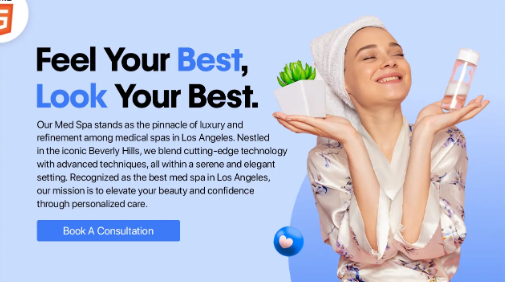
In the ever-evolving world of aesthetics and wellness, having a strong online presence is essential for any medical spa. Your website is more than just a digital business card—it’s a critical part of the client journey. When visitors land on your site, they’re often deciding whether to trust your brand with their skincare, body contouring, or wellness needs. That decision often happens within seconds.
To stand out, your website must not only look beautiful but also function flawlessly. A user-friendly medical spa website builds credibility, guides users effortlessly to the information they need, and ultimately converts interest into appointments. For those looking to make a lasting impact online, choosing the best medical spa website design services can be a game-changer.
Let’s dive into the essential elements of creating a seamless and user-centered digital experience.
1. First Impressions Matter: Design with Elegance and Simplicity
The look and feel of your website should reflect the environment and quality of your spa. A clean, elegant design builds trust instantly. When your site is cluttered or outdated, it can give potential clients the impression that your services may be the same.
Key Elements to Consider:
- Color Palette: Stick to calm, soothing tones—soft blues, pastels, creams, or light neutrals tend to work well in the beauty and wellness space.
- Typography: Choose legible fonts that complement your brand’s personality. Modern serif or sans-serif fonts lend an upscale feel.
- Imagery: Use high-resolution, professional photos of your staff, location, and services. Avoid generic stock photos when possible.
By making thoughtful design choices, you reinforce your spa’s identity and set the tone for a relaxing, premium experience before the client ever walks through your doors.
2. Streamlined Navigation: Make It Effortless to Explore
User-friendly websites thrive on simplicity. Visitors should be able to find what they’re looking for in just a few clicks. Whether it’s service information, pricing, or booking, clear navigation is key.
Tips for Better Navigation:
- Keep your main menu simple. Common links include: Home, About, Services, Pricing, Testimonials, FAQs, Contact, and Book Now.
- Highlight key services on your homepage. Include buttons or links that guide users directly to your most popular treatments.
- Use sticky headers. Keeping navigation visible as users scroll improves usability, especially on longer pages.
Don’t forget to include a prominent call-to-action (CTA) on each page. Whether it’s “Book Your Consultation” or “Explore Our Services,” guide your visitors toward action.
3. Mobile-First Design: Think Small Screens First
With more than half of all web traffic coming from mobile devices, your medical spa website must be responsive. That means it should look and work great on phones and tablets, not just desktop computers.
Mobile Optimization Musts:
- Fast loading speed: Mobile users are impatient—your site should load in under 3 seconds.
- Tap-friendly buttons: Ensure buttons are large enough and spaced out for finger tapping.
- Scroll-friendly design: Use vertical layouts, minimize pop-ups, and eliminate clutter.
Test your website regularly on different devices to ensure a smooth, frustration-free experience for every visitor.
4. Online Booking Integration: Convenience Is King
Nothing says “user-friendly” like giving clients the ability to book services quickly and easily online. An integrated scheduling system not only improves user experience but also reduces administrative workload for your team.
Features to Look For:
- Calendar view of available appointments
- Automated confirmation emails and reminders
- Mobile-friendly booking forms
- Option to pay deposits or full amount online
Popular tools like Square, Vagaro, or Acuity Scheduling integrate well with most website platforms. Be sure the booking process is intuitive and doesn’t require too many steps.
5. Clear Service Descriptions & Visual Aids
Clients want to feel informed before committing to a treatment. Your website should clearly explain each service you offer, who it’s best for, expected results, recovery time (if any), and FAQs.
Enhance service pages with:
- Before-and-after galleries
- Short educational videos or animations
- Icons or bullet lists for easy scanning
- Downloadable guides or eBooks
This level of transparency empowers clients and builds trust—two things that are critical in the health and aesthetics industry.
6. Client Testimonials & Reviews
Social proof is powerful. Showcasing positive feedback from satisfied clients boosts credibility and eases anxiety for first-time visitors. A dedicated testimonials page or sprinkling reviews throughout your website reinforces the quality of your services.
Ways to incorporate testimonials:
- Highlight a few standout reviews on the homepage.
- Include quotes or video testimonials on relevant service pages.
- Link to third-party reviews on Google, Yelp, or RealSelf for added authenticity.
7. SEO & Content That Connects
A beautiful website is only effective if people can find it. That’s where search engine optimization (SEO) and strong content come in. A medical spa website should include relevant keywords, engaging blog posts, and location-specific information to help attract local traffic.
Content Suggestions:
- Blog about skincare tips, treatment options, or seasonal self-care routines.
- Include a detailed FAQ page that answers common client questions.
- Update your site regularly to stay relevant in Google’s eyes.
Well-written content not only drives traffic but keeps visitors engaged and boosts conversion rates.
8. Accessibility & Legal Compliance
It’s easy to overlook, but accessibility is a crucial part of user-friendly design. Your website should be easy to use for all individuals, including those with disabilities.
Accessibility Tips:
- Use readable font sizes and high contrast color schemes.
- Add alt text to all images.
- Include keyboard navigation and screen reader support.
Also, don’t forget to include legal pages such as a Privacy Policy, Terms & Conditions, and HIPAA compliance details if applicable.
9. Keep It Fresh with Ongoing Updates
Web design is not a one-and-done process. Trends change, your business evolves, and technology updates constantly. Regularly auditing and updating your website ensures that it continues to meet user expectations.
Schedule periodic reviews to:
- Add new testimonials
- Update staff bios or images
- Refresh seasonal promotions
- Improve page loading speeds
Keeping your website fresh shows that your brand is active, professional, and attentive to details.
Conclusion: Build Trust with Every Click
Creating a user-friendly medical spa website is about more than just looking good—it’s about creating an experience that mirrors the care and attention clients receive in person. A seamless website builds trust, drives engagement, and turns visitors into loyal customers.
Whether you’re starting from scratch or refreshing your current site, paying attention to design, mobile responsiveness, content, and functionality is essential. And if you’re unsure where to begin, partnering with experienced professionals like Website Digitals can make the process smooth and successful.
In the world of aesthetics, your digital first impression matters just as much as your in-person one. Make it count.