
In today’s competitive job market, a resume is more than just a summary of qualifications—it’s a digital handshake with potential employers. But before your resume ever reaches a recruiter’s eyes, it’s likely to pass through a gatekeeper: the Applicant Tracking System (ATS).
These systems don’t just store resumes—they scan, score, and rank them based on how well they match a job description. This is where your resume score comes into play.
Understanding how your resume is evaluated, and more importantly, how to improve that evaluation, can give you a critical edge. Whether submitting your first application or revamping your profile mid-career, learning how to decode your resume score can be a game-changer.
What Is a Resume Score?
A resume score is a numerical or qualitative rating assigned to your resume based on several factors: keyword relevance, formatting, readability, and alignment with a specific job description.
Think of it as your resume’s performance scorecard. It’s not a judgment of your professional worth, but rather a measure of how well your resume aligns with the criteria defined by recruiters—and more importantly, by ATS software.
Resume scoring algorithms typically focus on:
- Keyword Match: How well your resume reflects the required skills and terminology in the job listing.
- Formatting: Whether the document is readable by machines and humans alike.
- Readability: Use clear, concise language and a logical flow of information.
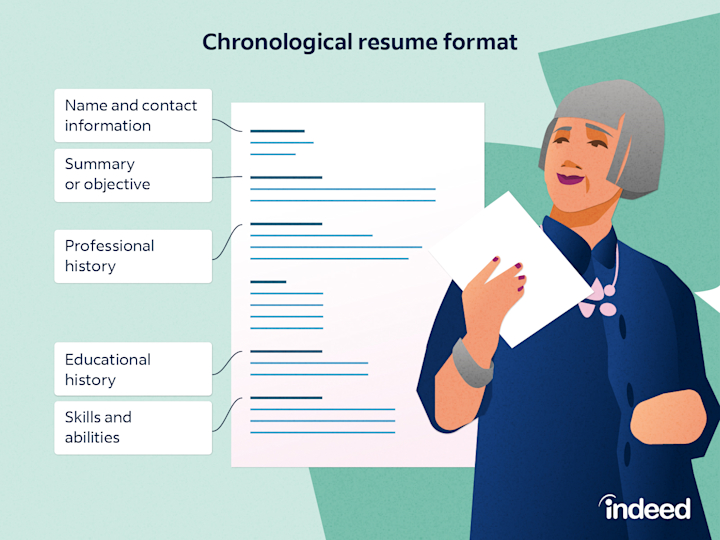
- Content Structure: Proper segmentation into work experience, education, skills, etc.
A strong resume score can significantly improve your chances of making it past the digital filters to a recruiter’s inbox.
What Is an ATS Resume Checker?
An ATS resume checker is a tool designed to evaluate your resume against the standards set by Applicant Tracking Systems (ATS). These tools simulate the behavior of actual ATS software used by employers and assess how well your resume will likely perform when scanned and parsed.
When you use an ATS resume checker, it typically performs the following functions:
- Parses your resume into structured sections like education, work history, and skills.
- Analyzes keyword match by comparing your resume with a target job description.
- Formatting issues like tables, headers, and images can confuse ATS software.
- Offers a score or grade along with suggestions for improvement.
Tools like Weekday’s free resume screener go even further, offering smart insights into how your resume might be viewed by recruiters and hiring software alike.
How to Decode Your Resume Score
You’ve run your resume through a checker and received a score, but now what? To make the most of this feedback, you must decode your resume score by breaking it into actionable components.
1. ATS Compatibility
This metric tells you whether applicant tracking software can correctly read and interpret your resume. A high score here means you’ve used a format machines can easily process. PDF or Word documents with clean, text-based formatting generally perform best.
2. Keyword Match
This measures how well the language in your resume aligns with the job posting. If you’re applying for a software engineering role that lists Python, JavaScript, and REST APIs, your resume must include those exact terms.
Tip: Use the job description as a keyword map. Most ATS resume checkers allow you to paste the job description and compare your resume.
3. Skills Relevance
Your resume should reflect both hard and soft skills relevant to the position. Listing leadership, teamwork, or Agile methodology isn’t enough—contextualize them in past roles.
4. Formatting and Layout
A score in this category typically reflects how well-structured your resume is. Use consistent headers, standard fonts, and bullet points. Avoid graphics, tables, or columns, which may render incorrectly in some ATS systems.
5. Overall Readability
Simple, clear language will score higher than jargon-filled or verbose content. A resume that’s easy to skim—using bullet points and short sentences—will score well with both machines and humans.
By breaking your score into these categories, you’ll be better equipped to optimize your document.
Tips to Improve Your Resume Score
Improving your resume score isn’t about gaming the system. It’s about aligning your qualifications with the language and structure employers expect. Here are some proven strategies:
- Customize for Every Role: Tailor your resume to match the job description each time you apply. This boosts your keyword match and skills relevance scores.
- Use Industry-Specific Keywords: Avoid vague descriptors. Instead of saying “worked on websites,” say “developed responsive web applications using React and Node.js.” Tools like an ATS resume checker can guide you on which terms to include.
- Stick to Clean Formatting: Use standard fonts like Arial or Calibri. Organize your resume with clear section headings and avoid placing text inside images or graphs.
- Highlight Achievements, Not Just Duties: Don’t just list your job responsibilities. Quantify your impact. For example: “Increased server efficiency by 30% through back-end optimization.”
- Include Certifications and Tools: Certifications add weight to your resume and help you match keyword filters. Include tools and technologies you’ve used that are relevant to the position.
Common Mistakes That Lower Your Score
Even seasoned professionals make formatting or content errors that tank their resume’s score. Avoid these pitfalls:
- Overuse of Tables and Columns: These elements confuse ATS software and often lead to parsing errors.
- Fluff Language: Words like “go-getter” or “ninja” don’t convey concrete skills or accomplishments.
- Uncommon File Types: Always submit your resume as a PDF or Word file; formats like pages or image files may not be read.
- Missing Keywords: Not aligning your resume with the specific requirements of the job description.
- Neglecting Soft Skills: While hard skills are crucial, employers increasingly value soft skills like communication and leadership—make sure these are represented.
Best Tools to Check Your Resume Score
Not all resume scoring tools are created equal. Here are some reliable ATS resume checkers to consider:
- Weekday’s Resume Screener: Free resume scoring focuses on ATS compatibility, keyword relevance, and actionable feedback.
- Jobscan: Allows detailed comparison between resume and job description, but has limited free features.
- Resumeworded: Scores resumes and provides suggestions, but full access is behind a paywall.
When choosing a tool, look for transparency in scoring, practical suggestions for improvement, and a user-friendly interface.
When and How Often Should You Check Your Resume Score?
Checking your resume score should be a regular part of your job application process. Here’s when you should run it through a checker:
- Each role is different before applying for a new job; tailor your resume accordingly.
- After significant edits or updates, when you add new experience, skills, or certifications.
- When switching industries or roles, you must reframe your experience to align with the new job criteria.
- Every few months, even if you’re not actively job hunting. Keeping a strong resume ready can help you act quickly on new opportunities.
Final Thoughts
In a landscape where digital tools decide who gets noticed, learning how to decode your resume score isn’t just helpful—it’s essential. Your resume score is more than a number. It reflects how well you’ve communicated your qualifications in a format that modern hiring systems can understand.
A reliable ATS resume checker can take the guesswork out of resume writing. Instead of wondering why you’re not hearing back, you’ll have clear, data-driven insights to guide your next edit. Platforms like Weekday make this even easier by offering free tools that don’t just score your resume, but help you improve it.
So before you hit “submit” on your next application, take a moment to evaluate your resume’s performance. Use the available tools, understand what the score tells you, and turn that feedback into action. The result? A resume that works as hard as you do.