
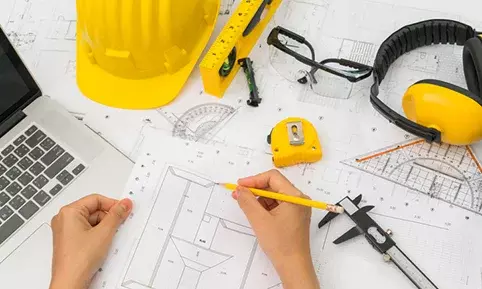
CAD drafting offers the opportunity for a lucrative and rewarding career within the engineering and construction industries. As a CAD draftsman, you use computer software to create precise designs for a variety of projects such as roads, bridges, buildings, and more.
The job of a CAD draftsman is highly technical, requiring attention to detail and an understanding of advanced mathematics, physics, and geometry. To become a successful CAD draftsperson, you should understand the basics of computer technology possess strong interpersonal skills, and develop an in-depth knowledge of AutoCAD software.
1. The Educational Path
When it comes to building a career in CAD drafting, one of the most important decisions you will make is choosing the right educational path. Here are some dos and don’ts to keep in mind as you navigate this process.
Do: Complete a high school diploma or equivalent
Having a high school diploma or equivalent is a requirement for most CAD drafting jobs. It’s the foundation that will allow you to pursue further education and training in the field.
Don’t: Overlook vocational schools or community colleges
While four-year universities might seem like the obvious choice, vocational schools, and community colleges can offer comprehensive training in CAD drafting at a more affordable price. Plus, they often have programs that are designed to help you quickly enter the workforce.
Do: Consider earning an associate’s degree
Earning an associate’s degree in CAD drafting can increase your earning potential and help you stand out to potential employers. This two-year program typically covers topics like engineering graphics, 3D drafting, and architectural drafting.
Don’t: Disregard military service as an option
If you’re considering a career in CAD drafting and also have an interest in the military, consider serving in a branch that offers job training in this field. It’s a way to gain valuable experience while also qualifying for the GI Bill, which can help fund your future education.
Key Takeaway: Whether you choose to attend a vocational school, or community college, or opt for military service, completing a high school diploma or equivalent is the first step towards building a successful career in CAD drafting.
2. Building Your Skills
Becoming a CAD draftsman requires you to have a set of technical and soft skills. You can acquire these skills by taking relevant courses or training or by gaining practical work experience. Here are some dos and don’ts to follow when building your skills as a CAD draftsman:
- Do take relevant courses: To become proficient in technical drawing and the use of computer-aided design software, it’s essential to take relevant courses. The courses can range from introductory to advanced levels, and you can take them at community colleges, vocational schools, or universities. The instructor-led courses will provide you with opportunities to interact with other students and ask questions that can help you gain a deeper understanding of the subject.
- Don’t neglect soft skills: While technical skills are essential, soft skills such as communication, teamwork, and problem-solving are equally important. Employers look for candidates who can work well with others, communicate effectively, and solve problems creatively. To improve your soft skills, you can participate in extracurricular activities, volunteer work, or take online courses.
- Do practice on your own: After taking relevant courses, it’s essential to practice regularly on your own. You can start by working on simple designs and gradually increase the complexity of your projects. Practicing regularly will help you develop your skills and become more confident in your abilities.
- Don’t limit yourself to single software: While it’s essential to specialize in specific software, it’s also important to be familiar with other software. Learning new software will broaden your skillset and make you an attractive candidate for potential employers.
- Do keep up with industry trends: The field of design technology is dynamic, and it’s essential to keep up with the latest industry trends, techniques, and software. Reading industry publications, attending conferences, and participating in webinars are a few ways to stay up-to-date.
Key Takeaway: To become a successful CAD draftsman, it’s essential to acquire technical and soft skills, practice regularly, and keep up with industry trends.
3. Choosing the Right CAD Program
Choosing the Right CAD Program is crucial for anyone who wants to start a career in CAD drafting. With so many programs out there, it can be challenging to decide which one to pick. Here are some dos and don’ts to consider when making your decision.
Dos:
- Research: Do your research and find out what CAD programs are widely used in the industry you want to work in. Look for programs that are known for their versatility, user-friendly interface, and robust features.
- Trial versions: Most CAD software companies offer trial versions of their programs. Take advantage of these trial versions and test the software before you buy it. This way, you can ensure that the software meets your needs and expectations before you invest money in it.
- Flexibility: Look for CAD programs that provide flexible licensing options, such as monthly or yearly subscriptions, rather than long-term commitments. This way, you can try out different programs and keep up with the latest software updates without breaking the bank.
- Specialization: Consider the type of drafting you want to specialize in. Some programs are better suited to certain types of drafting, such as architectural drafting, mechanical drafting, or electrical drafting.
Don’ts:
- Don’t choose based on price alone: While cost is a significant factor, don’t make your decision based on price alone. It’s important to consider the features, versatility, and support options in addition to the cost.
- Don’t overlook support: Make sure you choose a CAD program that offers reliable customer support, including phone and email support, forums, and online tutorials.
- Don’t forget about compatibility: Make sure the software you choose is compatible with the hardware and operating system on your computer. Consider the type of computer or tablet you need to run the software efficiently.
Key Takeaway: Choosing the right CAD program is crucial for anyone who wants to become a successful CAD draftsman. Do your research, test trial versions, prioritize flexibility and specialized features, and don’t overlook support when making your decision.
4. CAD Drafting Job Roles
Computer-Aided Design (CAD) drafting is a fast-growing field with several job roles available for individuals who have completed the required education and training. Below are some of the most common CAD drafting job roles, along with key responsibilities and qualifications.
- CAD Technician
CAD technicians work alongside engineers and architects to produce technical drawings using CAD software. They typically have the following responsibilities:
Creating and modifying technical drawings
Ensuring drawings meet the required standards and specifications
Coordinating with engineers and architects to understand project requirements
Collaborating with team members to ensure deadlines are met
To become a CAD Technician, you will typically need an associate degree or certification in CAD drafting.
- Architectural Drafter
Architectural drafters work on projects related to designing buildings and structures. They are responsible for:
Producing detailed drawings of buildings and their components
Ensuring compliance with local building codes and regulations
Collaborating with architects and structural engineers to meet project specifications
To become an architectural drafter, you will typically need an associate degree in architectural drafting or related field.
- Mechanical Drafter
Mechanical drafters produce technical drawings for machinery and mechanical devices. They are responsible for:
Creating detailed designs and drawings for machinery
Collaborating with engineers to ensure designs meet project expectations
Developing prototypes to identify and address design problems
To become a mechanical drafter, you will typically need an associate degree or certification in mechanical drafting or related field.
- Electrical Drafter
Electrical drafters create technical drawings related to electrical systems and devices. They are responsible for:
Designing electrical systems that meet project requirements and specifications
Collaborating with electrical engineers to ensure designs are safe and effective
Creating schematics and wiring diagrams for electrical systems
To become an electrical drafter, you will typically need an associate degree or certification in electrical drafting or related field.
Key Takeaway: With several CAD drafting job roles available, individuals with the required education and training can pursue a career in this fast-growing field. Common job roles include CAD technicians, architectural drafters, mechanical drafters, and electrical drafters, all with key responsibilities and qualifications that are specific to each job role.
5. CAD Drafting Work
CAD drafting work is a crucial aspect of modern-day engineering. Any new product or mechanical system design will involve generating technical drawings. As a CAD draftsman, you have to be well-versed in technical drawing and the use of CAD software. Here are some dos and don’ts for building a career in CAD drafting.
Dos:
- Master the technicalities: A CAD draftsman must understand the basic principles of technical drawing and engineering. Technical drawing (Keyword 1) is a skill that improves with practice and can be improved through courses, tutorials, and continued learning. It is also crucial to learn how to use drafting software effectively.
- Be detail-oriented: A successful CAD draftsman always pays attention to details. Every aspect of a rough product design (Keyword 2) must be accurately represented in technical drawings. Attention to detail ensures that prototypes and final products are made according to specifications.
- Seek opportunities to learn and grow: CAD software is continually evolving, and it is essential to keep up with the latest updates. It is also crucial to learn about new products (Keyword 3) and mechanical systems. Stay informed by attending industry conferences, online seminars, and training programs.
- Collaborate with engineers and other stakeholders: A CAD draftsman often works as part of a team. Collaborating with engineers and other stakeholders ensures that drawings accurately reflect project requirements.
- Consider obtaining relevant certifications: While not necessary, obtaining certifications related to CAD drafting, such as Autodesk Certified User (ACU), can be an excellent way to demonstrate proficiency and knowledge.
Don’ts:
- Rush the drawing process: Technical drawing requires precision and accuracy. Rushing the drafting process can lead to errors that can be costly in terms of both time and money.
- Ignore project requirements: A successful CAD draftsman must consider project requirements when creating technical drawings. Ignoring project requirements may lead to designs that do not meet expectations.
- Fail to update skills: CAD software continually evolves, and it is crucial to keep up with the latest updates. Failing to update skills may lead to becoming obsolete in the industry.
Key Takeaway: As a CAD draftsman, it is essential to have technical mastery and attention to detail when creating technical drawings. Stay informed with the latest updates in CAD software and continues learning. Collaborate with engineers and other stakeholders and always consider the project’s requirement to provide accurate representations of rough product designs and mechanical systems.
6. Freelancing in CAD Drafting
If you are thinking about freelancing in CAD drafting, there are some things you should consider before jumping in.
Dos:
Develop a portfolio showcasing your best work. This is a crucial step in landing new clients, especially in a highly competitive field like CAD drafting. Your portfolio should demonstrate your expertise and show off your technical skills.
Build a strong online presence. This includes setting up a professional website, creating social media profiles, and joining online communities related to your niche. Make sure your online profiles, including your portfolio, are up to date and visually appealing.
Engage in networking with other freelancers and professionals. Attend networking events, join professional organizations, and connect with other freelancers on social media. Building a strong professional network can help you gain exposure, find work, and stay up-to-date on the latest industry trends.
Be disciplined and professional. As a freelancer, you are responsible for managing your own time, meeting deadlines and delivering high-quality work. Make sure you have a system in place to manage your workload, stay organized, and communicate effectively with clients.
Don’ts:
Don’t undersell yourself. Having a competitive rate is important, but never undervalues your skills and the quality of your work. Set a fair rate that reflects your expertise and experience.
Don’t work with difficult clients. While it’s important to build a strong client base, it’s equally important to weed out any difficult or problematic clients. Always trust your instincts and set boundaries with clients that may try to take advantage of you.
Key Takeaway: Freelancing in CAD drafting can be a great career option if you have the right skills, discipline, and professionalism. Developing a strong portfolio, building a strong online presence, networking, and being disciplined are all crucial steps to becoming a successful freelancer. However, be sure to set a fair rate and avoid working with difficult clients. Freelancing in CAD drafting can be rewarding, but it’s essential to navigate the field with caution and the right mindset.
7. Dos and Don’ts in CAD Drafting
CAD (Computer Aided Design) drafting is a competitive field that offers a challenging and rewarding career path for those with a keen interest in engineering, design, and architecture. However, like any profession, there are certain dos and don’ts that can help you achieve success and avoid common pitfalls. Here are seven essential dos and don’ts for building a career in CAD drafting:
- DO take formal training courses: Formal coursework in CAD drafting can provide a solid foundation in essential drafting skills such as geometric dimensioning and tolerance, computer-aided design, and engineering graphics. These training courses can also help you develop additional skills and expertise in specialized areas such as electrical or mechanical drafting.
- DON’T rely solely on your software skills: While proficiency in CAD software is essential for a successful drafting career, it is not the only skill you need. You also need to develop an understanding of engineering and design principles, be able to read blueprints and technical drawings, and communicate effectively with clients and colleagues.
- DO seek out on-the-job training: In addition to formal training courses, on-the-job training can provide valuable experience and practical skills development. Consider taking internships or entry-level positions to gain real-world experience and build your portfolio.
- DON’T underestimate the value of soft skills: While technical skills are crucial in CAD drafting, soft skills such as communication, teamwork, and problem-solving are equally important. Clients often require their draftsman to work within teams and coordinate with other designers and engineers to create the final product.
- DO stay current with industry trends: CAD software and the engineering industry are constantly evolving. Make an effort to stay current with the latest trends in the industry and emerging technologies that can help you accomplish your work more efficiently.
- DON’T forget to build your professional network: Networking is important in any career. Attending conferences, joining associations, and seeking out industry mentors can help you build a strong professional network that can support your career growth.
- DO prioritize accuracy and attention to detail: In CAD drafting, even the slightest error can have significant consequences. Always prioritize accuracy, precision, and attention to detail in your work.
Key Takeaway: To succeed in CAD drafting, it is essential to take formal training classes, seek out on-the-job training, prioritize soft skills, stay current with industry trends, build your professional network, and prioritize accuracy and attention to detail.
8. The Importance of Professionalism in CAD Drafting
As a CAD drafting professional, it is essential to maintain a high level of professionalism in your work. This not only ensures your success but also contributes to the overall reputation of the industry. Here are some dos and don’ts to help you maintain professionalism in CAD drafting:
Dos:
- Always be punctual: Make sure to arrive on time for meetings and deadlines. This shows your commitment and respect for your client or employer’s time.
- Follow standards: Follow the standards and guidelines set by the industry and your employer. This ensures consistency and accuracy in your work.
- Keep your work organized: This includes managing your files, labeling your drawings, and keeping your workspace clean and clutter-free. This helps you stay focused and on track while demonstrating your attention to detail.
- Communicate effectively: Keep your communication professional, clear, and concise. Whether it’s written or verbal, ensure that you convey your ideas effectively and professionally.
- Continuous learning: Keep yourself up-to-date with the latest changes and developments in the industry. Attend conferences, workshops, and training sessions to enhance your skills and knowledge.
Don’ts:
- Unprofessional behavior: Avoid engaging in unprofessional behavior like gossiping, complaining, or being rude to others. This can create a negative work environment and damage your professional reputation.
- Missed deadlines: Failing to meet deadlines can cause delays in the project timeline and negatively impact the client’s or employer’s perception of your work.
- Deviate from standards: Don’t deviate from the established standards, as this can lead to errors, inconsistencies, and delays in the project.
- Poor quality work: Never compromise on the quality of your work. Submitting incomplete or inaccurate work can harm your reputation and damage your career.
- Lack of attention to detail: Pay close attention to details in your work. Missed details can lead to costly mistakes and further delays in the project timeline.
Key Takeaway: Maintaining professionalism is essential for a successful and enduring career in CAD drafting. Follow industry standards, communicate effectively, stay organized, and maintain high quality in your work. With a commitment to professionalism, you can build a successful and rewarding career in this exciting field.
Conclusion
In conclusion, building a career in CAD drafting can be a rewarding and fulfilling journey. Remember to stay up-to-date with the latest software and techniques while also focusing on developing your communication and problem-solving skills. Additionally, avoid common mistakes like neglecting to pay attention to detail or becoming complacent in your work. If you’re in need of CAD drafting services for your business or project, we’re here to help. Contact us today to learn more and get started. Don’t let a lack of drafting resources hold you back, let us support you in bringing your ideas to life!
FAQ
What is CAD drafting?
CAD drafting is the process of creating a technical drawing from scratch using a computer-aided design (CAD) program.
What are the steps to becoming a CAD draftsman?
Complete a high school diploma or equivalent. Learn drafting skills. Gain experience in the drafting field.
What are the important qualities for a successful CAD draftsman?
Some important qualities for a successful CAD draftsman include being creative and resourceful, possessing excellent spatial awareness, and being able to work independently.
What are the benefits of pursuing a career in CAD drafting?
Some of the benefits of pursuing a career in CAD drafting include: Increased earning potential. You will have the opportunity to work in a variety of industries.
Can I freelance in CAD drafting?
Yes, you can freelance as a CAD draftsman. However, you’ll need to be prepared to work long hours and weekends, as well as meet high standards.
What are the different types of CAD drafting jobs?
There are a few types of CAD drafting jobs. You could be a Mechanical Draftsman, which is responsible for creating accurate drawings of machines, devices, or other objects. Alternatively, you could be a Civil Draftsman, who performs preliminary drawings for construction projects.
As technology advances, many occupations appear and disappear. This is especially true in the world of drafting where improving computer aided design (CAD) software has allowed for greater efficiency and accuracy when it comes to drafting. Consequently, many aspiring designers are looking for ways to get into CAD drafting as a career.
If you’re one of those individuals, this article will provide key dos and don’ts on how to build a successful career in CAD drafting.