
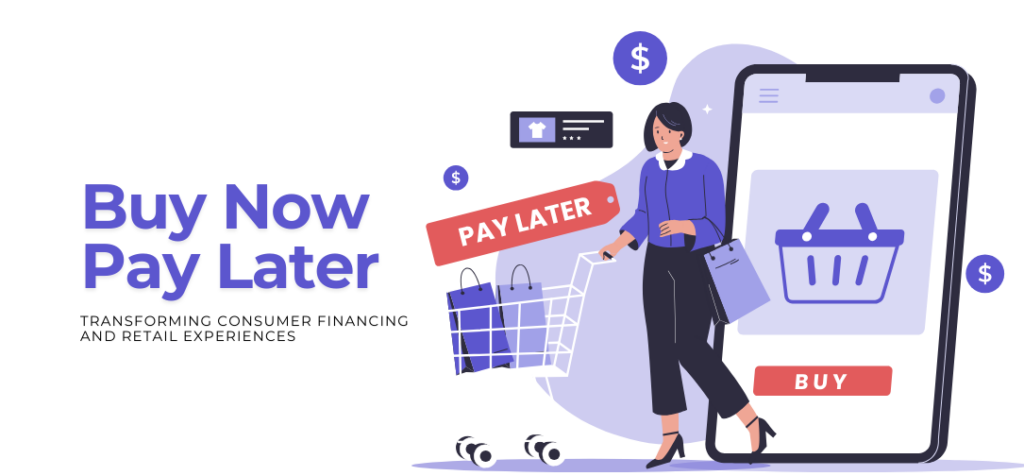
The Buy Now Pay Later (BNPL) scheme is changing how we think about shopping and spending. It allows consumers to buy items and pay for them over time, making it easier to afford what they want. This article explores the impact of BNPL on both consumers and retailers, highlighting its benefits and challenges while looking at its future in the world of finance and shopping.
Key Takeaways
- BNPL allows consumers to purchase items now and pay later, which increases their buying power.
- Retailers see higher sales and fewer abandoned shopping carts when they offer BNPL options.
- Younger shoppers are particularly drawn to BNPL because it offers flexible payment plans.
- While BNPL is convenient, it can also lead to overspending if not managed wisely.
- The BNPL market is growing rapidly, with many companies looking to expand their services globally.
Understanding BNPL (Buy Now Pay Later)
Definition and Mechanism
Buy Now Pay Later (BNPL) is a modern payment option that allows consumers to purchase items immediately and pay for them over time. This method divides the total cost into smaller, manageable payments, making it easier for shoppers to afford their purchases. For example, if a product costs £100, a BNPL service might allow the buyer to pay £25 over four months. This approach is often interest-free if payments are made on time.
Historical Context and Evolution
BNPL has its roots in traditional instalment plans but has gained popularity with the rise of e-commerce. Initially, it was mainly offered by banks, but now fintech companies have taken the lead, providing more accessible options. The COVID-19 pandemic accelerated its adoption as consumers sought flexible payment methods during uncertain times. Today, major players like Klarna and Afterpay dominate the market, making BNPL a common choice for online shoppers.
Key Players in the Market
The BNPL market features several key players, including:
- Klarna: Known for its user-friendly interface and wide acceptance.
- Afterpay: Popular among younger consumers for its straightforward payment plans.
- Affirm: Offers flexible payment options and is often integrated into various online retailers.
Company |
Year Founded |
Notable Features |
|---|---|---|
| Klarna | 2005 | Easy integration with retailers |
| Afterpay | 2014 | Focus on younger consumers |
| Affirm | 2012 | Flexible payment terms |
BNPL is transforming how consumers shop, providing them with the flexibility they desire while also benefiting retailers by increasing sales and customer loyalty. As the market continues to grow, understanding its mechanisms and key players is essential for both consumers and businesses alike.
The Rise of BNPL in Retail
Factors Driving Adoption
The growth of BNPL in retail can be attributed to several key factors:
- E-commerce Boom: The surge in online shopping has created a demand for flexible payment options.
- Fintech Innovations: New technologies have made it easier for consumers to access BNPL services.
- Changing Consumer Preferences: Younger shoppers prefer straightforward payment plans that fit their budgets.
- COVID-19 Impact: The pandemic pushed many consumers to seek alternative financing methods, leading to increased BNPL usage.
Impact of COVID-19
The pandemic significantly accelerated the adoption of BNPL services. With many consumers facing financial uncertainty, BNPL offered a way to make purchases without immediate full payment. This shift in behaviour has led to:
- Increased User Base: Many new users turned to BNPL for its convenience.
- Higher Transaction Volumes: Retailers saw a rise in sales as customers felt more comfortable making larger purchases.
- Integration with Retailers: Many retailers began to offer BNPL options at checkout, making it easier for consumers to use these services.
Case Studies of Major Retailers
Several major retailers have successfully integrated BNPL into their sales strategies:
Retailer |
BNPL Provider |
Impact on Sales |
|---|---|---|
| Amazon | Affirm | Increased AOV by 30% |
| Walmart | Afterpay | Reduced cart abandonment by 25% |
| Target | Klarna | Boosted customer loyalty by 40% |
These examples illustrate how BNPL can transform retail experiences, making shopping more accessible and appealing to a broader audience. As BNPL continues to grow, it is reshaping the landscape of consumer financing and retail.
Benefits of BNPL for Consumers
Increased Purchasing Power
One of the main advantages of Buy Now Pay Later (BNPL) is that it significantly boosts purchasing power for consumers. By allowing payments to be spread out over time, BNPL makes it easier for individuals to buy higher-priced items without the immediate financial burden. This means that consumers can:
- Afford more expensive products.
- Make larger purchases without feeling overwhelmed.
- Enjoy the flexibility of paying in instalments.
Flexible Payment Options
BNPL offers a variety of flexible payment options that cater to different financial situations. Consumers can choose plans that suit their budgets, which can include:
- Interest-free payments if made on time.
- Short-term or long-term payment plans.
- Customisable payment schedules based on personal income.
Accessibility and Convenience
The accessibility and convenience of BNPL services are also noteworthy. Unlike traditional credit options, BNPL is often easier to obtain, as it typically requires:
- Minimal credit checks, making it available to a broader audience.
- Quick and straightforward application processes, often completed at checkout.
- Instant approval, allowing consumers to make purchases immediately.
BNPL is transforming the way consumers approach shopping by enhancing their purchasing power, providing flexible payment options, and ensuring accessibility and convenience. This shift is particularly important in today’s digital marketplace, where customers expect seamless and efficient transactions.
Advantages for Retailers

Boosting Sales and Revenue
The introduction of BNPL (Buy Now Pay Later) options can significantly enhance a retailer’s sales figures. By allowing customers to purchase items without immediate payment, retailers can attract more buyers. Here are some key points:
- Increased Conversion Rates: Retailers often see a rise in completed transactions when BNPL is offered.
- Higher Average Order Value: Customers tend to spend more when they can pay in instalments.
- Repeat Purchases: Satisfied customers are likely to return, boosting long-term revenue.
Reducing Cart Abandonment
Cart abandonment is a common issue in online shopping. BNPL can help mitigate this problem:
- Flexible Payment Options: Offering BNPL can encourage customers to complete their purchases, knowing they can pay over time.
- Transparent Costs: Displaying clear payment plans can reassure customers about their financial commitments.
- Enhanced User Experience: A smooth checkout process with BNPL options can lead to fewer abandoned carts.
Enhancing Customer Loyalty
Implementing BNPL can also foster stronger relationships with customers:
- Consumer Education: Retailers can educate customers about responsible spending, enhancing trust.
- Personalised Offers: Using data analytics, retailers can tailor BNPL options to individual preferences, making customers feel valued.
- Long-term Engagement: By providing flexible payment solutions, retailers can build lasting loyalty, encouraging customers to return for future purchases.
BNPL not only boosts sales but also creates a more engaging shopping experience, ultimately leading to increased customer loyalty and satisfaction. Retailers who embrace this trend can position themselves for success in a competitive market.
Challenges and Risks of BNPL
Consumer Debt Concerns
One of the main worries surrounding Buy Now Pay Later (BNPL) is the potential for consumer debt. Many users may not fully understand the financial implications of using BNPL services, leading to overspending. This can result in a significant accumulation of debt, which can be hard to manage. Here are some key points to consider:
- Increased monthly payments: Consumers might find themselves juggling multiple BNPL agreements, leading to higher monthly expenses.
- Lack of financial literacy: Many users may not be aware of the total costs involved, including potential late fees.
- Pressure to keep up: The ease of using BNPL can create a false sense of security, encouraging consumers to spend beyond their means.
Regulatory Scrutiny
As BNPL services grow, so does the attention from regulators. Governments are increasingly concerned about the financial services provided by BNPL companies. This scrutiny can lead to:
- New regulations: Authorities may impose stricter rules to protect consumers, which could affect how BNPL providers operate.
- Compliance costs: Companies may face increased costs to meet regulatory requirements, which could impact their profitability.
- Market instability: Rapid changes in regulations can create uncertainty in the market, affecting both providers and consumers.
Potential for Overspending
The convenience of BNPL can lead to overspending. Consumers might be tempted to purchase items they cannot afford, thinking they can pay later. This can have several consequences:
- Impulse buying: The ease of access can encourage spontaneous purchases.
- Long-term financial strain: Accumulating multiple BNPL agreements can lead to financial stress over time.
- Negative credit impact: Missing payments can harm a consumer’s credit score, making future borrowing more difficult.
While BNPL offers many benefits, it is essential for consumers to be aware of the potential challenges and risks involved. Understanding these factors can help users make informed decisions about their financial choices.
Technological Innovations in BNPL
Integration with E-commerce Platforms
The integration of BNPL services with e-commerce platforms has transformed the shopping experience. Retailers can now offer BNPL options directly at checkout, making it easier for consumers to choose flexible payment plans. This seamless integration has led to:
- Increased Sales: Retailers see a boost in sales as customers are more likely to complete purchases when offered BNPL.
- Reduced Cart Abandonment: Flexible payment options help lower the number of customers who leave items in their carts.
- Enhanced User Experience: A smooth checkout process keeps customers satisfied and encourages repeat business.
Role of Artificial Intelligence
Artificial Intelligence (AI) plays a crucial role in the BNPL landscape. It helps providers assess creditworthiness and tailor offers to individual consumers. Key benefits include:
- Personalised Offers: AI can analyse consumer behaviour to suggest suitable payment plans.
- Risk Management: By evaluating data, AI helps in identifying potential risks associated with lending.
- Improved Customer Insights: AI tools provide valuable insights into consumer preferences, allowing for better-targeted marketing strategies.
Future Technological Trends
As BNPL continues to evolve, several technological trends are emerging:
- Mobile Payment Solutions: The rise of mobile wallets is making BNPL more accessible.
- Blockchain Technology: This could enhance security and transparency in transactions.
- Data Analytics: Advanced analytics will enable providers to refine their offerings and improve customer engagement.
Technological innovations are reshaping the BNPL landscape, making it more efficient and user-friendly for both consumers and retailers. The integration of AI and data analytics is particularly significant, as it allows for a more personalised and secure experience.
Global Expansion of BNPL Services
Geographic Market Penetration
The global BNPL market is expanding rapidly, with services now available in various regions. Key areas of growth include:
- North America: Major players like Affirm and Afterpay are leading the charge.
- Europe: Companies such as Klarna are making significant inroads.
- Asia-Pacific: Emerging markets are seeing a surge in BNPL adoption, driven by increasing internet access and smartphone usage.
Emerging Markets
Emerging markets are becoming hotspots for BNPL services. Factors contributing to this growth include:
- Increased smartphone penetration: More people have access to mobile devices, making online shopping easier.
- Young population: A large segment of the population is tech-savvy and prefers flexible payment options.
- Limited access to traditional credit: Many consumers in these markets do not have access to credit cards, making BNPL an attractive alternative.
Competitive Landscape
The BNPL sector is highly competitive, with numerous players vying for market share. Key aspects include:
- Mergers and Acquisitions: Companies are merging to enhance their offerings and expand their reach.
- Innovative Solutions: New entrants are continuously developing unique BNPL products to attract customers.
- Partnerships: Collaborations between BNPL providers and retailers are becoming common, allowing for seamless integration at checkout.
The expansion of BNPL services is reshaping the retail landscape, providing consumers with more options and retailers with new ways to engage customers. As the market continues to grow, it will be interesting to see how these trends evolve and what new opportunities arise for both consumers and businesses.
Regulatory Landscape and Compliance
Consumer Protection Measures
Governments and regulatory bodies are closely examining BNPL services to ensure they are safe and fair for consumers. Key measures include:
- Transparency: BNPL providers must clearly explain their terms and conditions.
- Fair Practises: Regulations aim to prevent misleading advertising and ensure fair treatment of consumers.
- Support for Vulnerable Consumers: Special attention is given to protecting those who may struggle with repayments.
Data Privacy Concerns
As BNPL services grow, so do concerns about data privacy. Protecting consumer information is crucial. Key points include:
- Data Security: Providers must implement strong security measures to protect personal data.
- Informed Consent: Consumers should be aware of how their data is used and shared.
- Regulatory Compliance: Adhering to data protection laws is essential for maintaining consumer trust.
Compliance Costs for Providers
Meeting regulatory requirements can be costly for BNPL providers. Some challenges include:
- Increased Operational Costs: Compliance often requires additional staff and resources.
- Complex Regulations: Navigating various laws can be complicated and time-consuming.
- Potential Penalties: Non-compliance can lead to fines and damage to reputation.
While BNPL offers exciting opportunities for consumers and retailers, it is essential to navigate the regulatory landscape carefully. Compliance not only protects consumers but also helps build trust in the BNPL system, ensuring its long-term success.
Future Trends in BNPL
Expansion into New Sectors
The BNPL model is expected to grow beyond traditional retail. Here are some sectors where BNPL could make a significant impact:
- Healthcare: Patients may use BNPL to manage medical expenses.
- Travel: Consumers could finance trips through flexible payment plans.
- Education: Tuition fees might be paid in instalments, making education more accessible.
Technological Advancements
As technology evolves, BNPL services will likely integrate more advanced features:
- Blockchain Integration: Using blockchain can enhance security and transparency in transactions.
- AI Personalisation: Artificial Intelligence could tailor payment plans based on consumer behaviour.
- Mobile Wallets: BNPL options may become standard in mobile payment apps, making them easier to use.
Sustainability and Ethical Considerations
The future of BNPL will also focus on responsible lending:
- Consumer Education: Providers will need to inform users about the risks of overspending.
- Sustainable Practises: Companies may adopt eco-friendly policies to attract environmentally conscious consumers.
- Regulatory Compliance: Adhering to new regulations will be crucial for maintaining trust and safety in the market.
BNPL vs Traditional Credit Options

Comparison with Credit Cards
When looking at BNPL and traditional credit cards, there are some key differences:
Feature |
BNPL |
Credit Cards |
|---|---|---|
| Application Process | Quick and easy | Often lengthy and complex |
| Payment Structure | Fixed instalments | Flexible payments |
| Interest Rates | Often interest-free | Can have high interest rates |
| Credit Score Requirement | Minimal or none | Usually required |
Consumer Preferences
Many consumers are now leaning towards BNPL for several reasons:
- Simplicity: The straightforward payment plans are easier to understand.
- Accessibility: BNPL is available to those who may not qualify for credit cards.
- Control: Fixed payments help users manage their budgets better.
Financial Implications
While both options can help with purchases, they come with different financial impacts:
- Debt Levels: BNPL can lead to lower debt levels if used wisely, as it encourages responsible spending.
- Fees: Credit cards may have hidden fees, while BNPL often has clear terms.
- Spending Habits: BNPL can encourage more frequent purchases, which may lead to overspending if not monitored.
While both BNPL and traditional credit options have their advantages, many consumers find BNPL to be a more appealing choice due to its ease of use and flexibility. Understanding these differences can help consumers make informed financial decisions.
Strategies for Retailers and PSPs
Maximising Benefits
To make the most of BNPL, retailers and Payment Service Providers (PSPs) should focus on a few key strategies:
- Target Tech-Savvy Consumers: Focus on reaching out to younger, tech-savvy customers who are more likely to use BNPL services.
- Utilise Data Analytics: Implement advanced data analytics to understand customer behaviour and tailor offerings accordingly.
- Continuous Improvement: Regularly update and improve BNPL offerings to stay competitive and meet changing consumer needs.
Educating Consumers
Educating customers about BNPL is essential. Here are some ways to do this:
- Provide Clear Information: Ensure that customers understand the terms and conditions of BNPL.
- Promote Financial Literacy: Offer resources that help consumers make informed financial decisions.
- Highlight Risks: Make customers aware of potential risks, such as overspending and missed payments.
Navigating Regulatory Challenges
Retailers and PSPs must stay compliant with regulations. Consider these steps:
- Stay Informed: Keep up with changes in consumer protection laws and data privacy requirements.
- Engage in Industry Discussions: Participate in conversations about regulations to advocate for favourable conditions.
- Adapt Strategies: Be ready to adjust business strategies in response to regulatory changes.
By implementing these strategies, retailers and PSPs can enhance their offerings, educate consumers, and navigate the complex regulatory landscape effectively. This will not only boost sales but also build long-term customer loyalty.
Conclusion
Buy Now Pay Later (BNPL) is changing the way we shop and manage our money. It offers a simple way for customers to buy things now and pay for them later, making it easier for many to afford what they want. Retailers are seeing more sales and happier customers because of this flexible payment option. However, it’s important to use BNPL wisely to avoid getting into debt. As this service grows, both customers and businesses need to understand how to use it responsibly. With the right rules in place, BNPL could become a normal part of shopping for everyone.
Previously in Fintech News: Why Press Releases Are Still Relevant for Fintech in 2024 (and Beyond)