
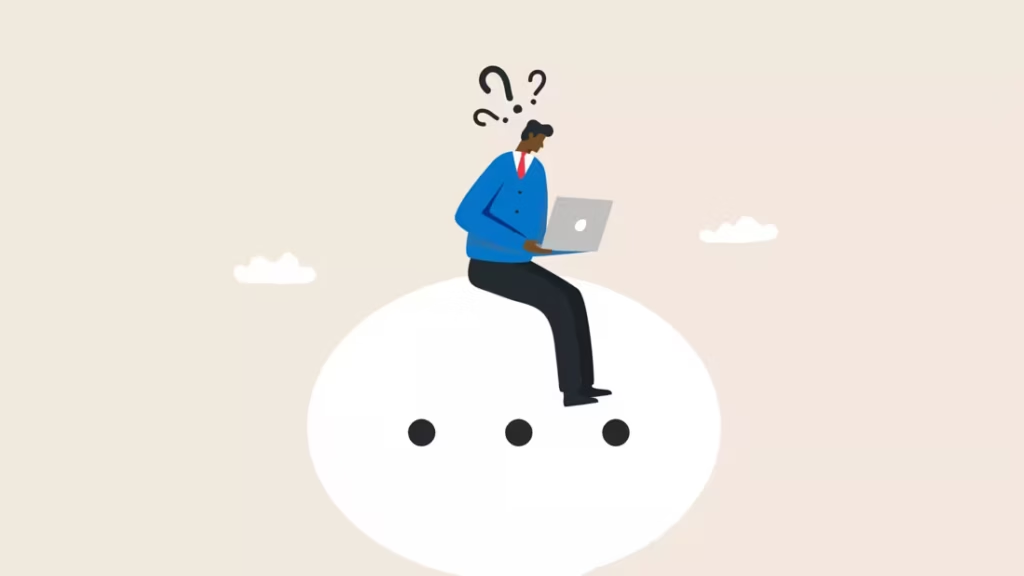
Life is full of decisions. Throughout the day, we’re confronted with decisions about matters big and small. Should I do this, or that? It’s a big part of what’s called “adulting,” and it can be tiring.
The best way to avoid decision fatigue is to simplify your choices: turn repeat decisions into routines, eliminate unnecessary options, and reserve your mental energy for the decisions that truly matter, like when to look into Laredo auto title loans. Here’s what you should know about avoiding decision fatigue in everyday choices.
What is Decision Fatigue?
Decision fatigue is the mental wear-and-tear that builds up after making lots of choices, which can make later decisions worse or harder to make. It often shows up as procrastination, impulsive choices, or defaulting to the easiest options when your brain feels overloaded.
For example, you’re shopping after a long day. After comparing a number of products, you stop making careful evaluations and just quickly choose an item. Or, after a day full of meetings, emails, and errands, you’re having an unusually difficult time choosing what to eat for dinner. Why? Because your brain has already exhausted a lot of its decision-making capacity. A simple example of decision fatigue: you’re staring at your closet or a menu and feeling unusually stuck, even though the decision is minor.
What Causes Decision Fatigue?
Primarily, decision fatigue is caused by making too many choices, especially when they are frequent, difficult, or emotionally loaded. At length, that can deplete mental energy and make decisions feel harder, slower, or more impulsive.
Common causes can include:
- Too many consecutive decisions, which can drain attention and self-control
- Choice overload, where having many options makes it harder to pick one
- Stress, uncertainty, or decisions that affect other people, which can make the mental load heavier
- Lack of sleep or general exhaustion, which reduces decision-making quality
- Perfectionism, because attempting to make the “best” choice can make each decision feel larger.
What are Common Signs of Decision Fatigue?
Frequent signs of decision fatigue include avoiding decisions, procrastinating, making impulsive choices, and feeling unusually irritable or anxious. People also often notice brain fog, trouble focusing, exhaustion, and second-guessing themselves after making too many choices.
Some physical signs can also manifest. They can include eye twitching, tension headaches, nausea, or a general sense of mental and physical drain.
What are Potential Consequences of Decision Fatigue?
Decision fatigue can erode the quality of your choices as well as your self-control, and can affect your overall wellbeing across your day. Its effects can include:
- Reduced decision quality
- Slower, less-efficient thinking
- Difficulty concentrating
- Impaired trade-off analysis
- Impulsive decisions
- Decision avoidance and procrastination
- Over-reliance on habits
- Errors in high-stakes settings
- Increased stress and irritability
- Anxiety and worry
- Reduced sense of control
- Sleep disruption
- Strained relationships
How to Avoid Decision Fatigue in Everyday Choices
The easiest way to beat decision fatigue is by decreasing the number of small choices you make every day and saving your energy for what truly matters.
Practical ways to mitigate decision fatigue:
- Create defaults for repeat decisions, such as for meals, your outfits, and “gym days.”
- Make key decisions earlier in the day, when your mental energy is typically higher.
- Make similar choices, such as errands, meal planning, or email replies, at the same time.
- Use automation and routines for low-value tasks. For example, you can automate bill paying or set a morning routine.
- Take short breaks, particularly following periods of focused work, to reset your attention and avoid mental overload.
In Summary
The aim is not to eliminate decisions altogether. Rather, it’s to preserve your best thinking for high-impact decisions. If you notice that you’re procrastinating, getting irritable, or overthinking minor things, that is frequently a sign that you have excessive open decisions and require more structure.
Read More From Techbullion