
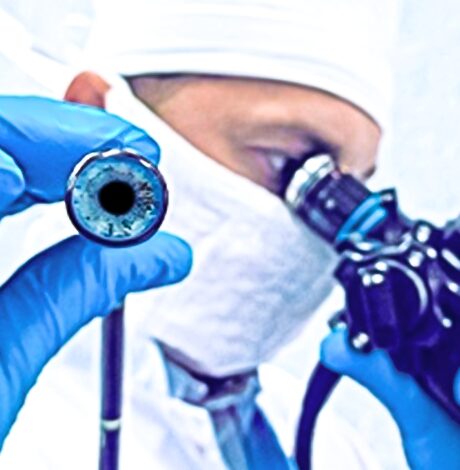
Endoscopes are powerful tools used in a wide range of medical procedures, enabling doctors to view internal organs and perform minimally invasive surgeries. However, like any complex medical equipment, endoscopes can face technical challenges. In this article, we will explore the common problems of endoscopes and offer practical solutions to address these issues, ensuring these devices perform optimally.
1. Image Quality Problems
One of the most common issues with endoscopes is poor image quality. Doctors rely on clear visuals to make accurate diagnoses, so any degradation in image quality can lead to misinterpretation of medical conditions.
Causes of Poor Image Quality
- Lens contamination: Dirt, dust, or moisture on the lens can affect image clarity.
- Inadequate lighting: If the light source is dim or malfunctioning, it can hinder visibility.
How to Fix It
- Regularly clean the lens using proper cleaning solutions and tools to remove debris.
- Ensure the light source is functioning properly and replace any faulty bulbs or light cables. In some models, adjusting the brightness settings can also help improve the image quality.
2. Loss of Flexibility
Flexibility is a key feature of endoscopes, allowing them to navigate through tight body spaces. Over time, the bending parts can lose their ability to bend smoothly, leading to difficulty in maneuvering the scope.
Causes of Loss of Flexibility
- Wear and tear: Frequent bending and twisting of the endoscope can damage the cables and bending parts.
- Kinking: Improper storage or handling of the endoscope can cause the bending parts to kink.
How to Fix It
- Regularly inspect the endoscope for signs of wear, especially around the bending section.
- Use protective covers to prevent kinking during storage.
- Ensure the endoscope is handled with care and avoid bending it too sharply.
3. Scope Stiffness
Stiffness in the endoscope can make it challenging to navigate delicate areas inside the body. This can reduce the effectiveness of procedures and make it more difficult for doctors to reach certain anatomical sites.
Causes of Stiffness
- Corrosion: Exposure to moisture and body fluids can cause rust or corrosion on the scope’s internal components.
- Worn-out materials: Over time, the materials used in the scope may degrade, resulting in stiffness.
How to Fix It
- Keep the endoscope dry and store it in a protective case after use.
- If the stiffness is caused by corrosion, check if the endoscope can be serviced or repaired by the manufacturer. In some cases, a replacement may be necessary.
4. Blocked Channels
Endoscopes often have multiple channels for biopsy tools, suction, or irrigation. If any of these channels become blocked, it can hinder the procedure, making it more difficult to collect samples or flush fluids.
Causes of Blocked Channels
- Debris buildup: Tissue, blood, or mucus can clog the channels during procedures.
- Improper cleaning: Failure to clean the channels thoroughly after each use can lead to blockages.
How to Fix It
- Perform thorough cleaning business and flushing of all channels after each use, using an appropriate cleaning solution and tools.
- Use an ultrasonic cleaner for more thorough cleaning of the internal parts.
- Regularly inspect the channels to ensure there are no obstructions.
5. Difficulty in Insertion
Insertion problems are a significant issue that can affect both the ease of use and the safety of a procedure. If the endoscope cannot be smoothly inserted into the body, it can cause delays and discomfort for the patient.
Causes of Insertion Difficulty
- Improper lubrication: Lack of lubrication can cause friction, making it harder to insert the scope.
- Damaged tip: If the tip of the endoscope is damaged or misshapen, it may not slide in smoothly.
How to Fix It
- Apply the appropriate lubricants to the endoscope before insertion.
- Inspect the tip of the endoscope for any signs of damage and replace it if necessary.
- Make sure the endoscope is inserted slowly and gently to avoid causing unnecessary discomfort.
6. Light Source Malfunction
The light source of an endoscope is vital for providing adequate illumination during an examination. A malfunctioning light source can significantly reduce the effectiveness of the procedure.
Causes of Light Source Malfunction
- Burnt-out bulbs: Light bulbs used in endoscopes have a limited lifespan.
- Loose connections: A loose connection between the light source and the scope can cause flickering or complete failure.
How to Fix It
- Regularly check and replace the light bulbs as part of routine maintenance.
- Inspect the light cables and connections for wear, and replace or repair any damaged parts.
- Some newer models use LED lighting, which generally lasts longer and requires less maintenance.
7. Water Leakage
Water leakage can occur when the endoscope is not sealed properly, leading to potential damage to internal components and compromising the sterilization process.
Causes of Water Leakage
- Worn seals: The seals on the endoscope may degrade over time, causing leaks.
- Improper maintenance: Failure to check the seals or maintain the device regularly can lead to unnoticed leaks.
How to Fix It
- Inspect the seals and gaskets for signs of wear and replace them as necessary.
- After each use, dry the endoscope thoroughly to prevent moisture from accumulating inside.
- Regularly test the endoscope for any signs of water leakage, especially before a procedure.
8. Inaccurate Controls
The control system of an endoscope is used to adjust the scope’s position, focus, and light. Inaccurate or unresponsive controls can make it difficult to manipulate the endoscope during a procedure, potentially affecting the outcome.
Causes of Control Issues
- Worn-out cables: The cables that connect the controls to the bending parts may become frayed or worn over time.
- Electrical malfunctions: Problems with the electrical system may cause the controls to malfunction.
How to Fix It
- Inspect and test the control system regularly to ensure all components are functioning properly.
- If the cables are damaged, have them replaced to restore the accuracy and responsiveness of the controls.
- Schedule regular maintenance to check for electrical malfunctions and repair any faulty wiring or components.
Conclusion
Endoscopes are invaluable tools in modern medicine, but they are not immune to problems. The common problems of endoscopes, such as poor image quality, blocked channels, and control issues, can impact the success of medical procedures. Many endoscope components, such as the bending cables, are made from durable materials like stainless steel, which helps maintain flexibility and resistance to corrosion. However, even stainless steel components can suffer from wear and tear over time. By understanding the potential causes of these issues and following the suggested solutions, healthcare providers can keep their endoscopes in optimal condition, ensuring that they continue to deliver reliable and accurate results. Regular maintenance, proper handling, and timely repairs are key to extending the lifespan of endoscopes and enhancing their performance.