
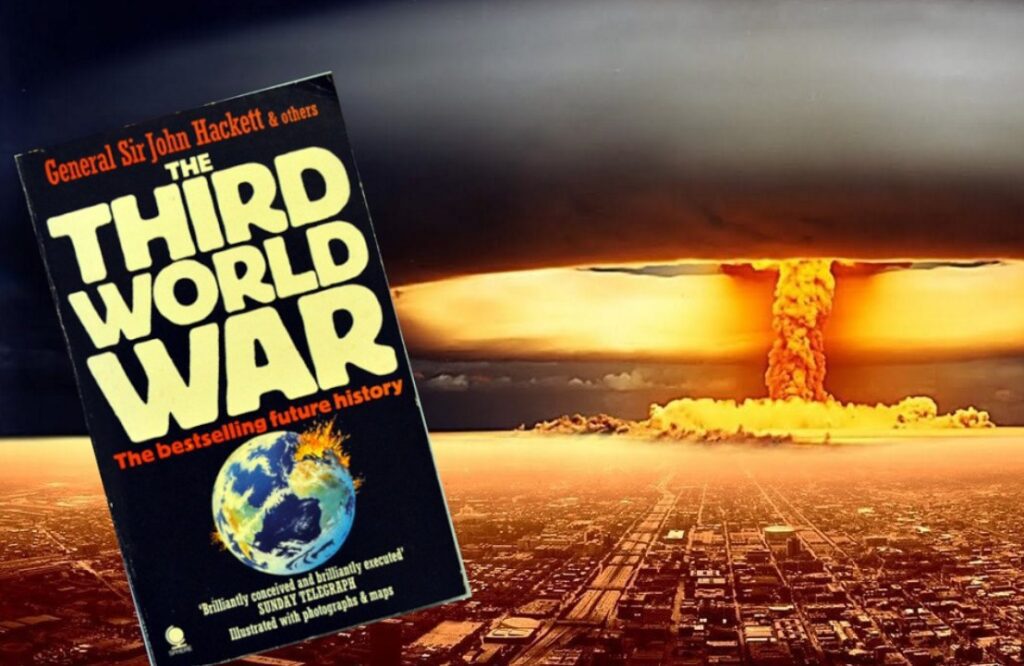
In 2025, a conspiracy theory began circulating online that has captured the attention of millions: the claim that recent global military tensions were not genuine conflicts, but a staged performance a “show” orchestrated by powerful elites. According to this narrative, certain wars, border conflicts, and military drills were deliberately amplified in the media to divert public attention, manipulate financial markets, or consolidate control by international organizations and governments.
While this idea has gone viral across social media platforms, it’s crucial to analyze it critically and understand why such theories gain traction.
Understanding the “World War III Show” Theory
The theory suggests that flashpoints in geopolitics particularly in the Middle East, Eastern Europe, and the South China Sea are carefully choreographed events designed to create fear, uncertainty, and distraction. Proponents argue that conflicts reported by mainstream media are exaggerated, misrepresented, or sometimes entirely staged to achieve hidden agendas.
Key claims circulating within the conspiracy include:
- Media Amplification: News outlets allegedly exaggerate the severity of tensions to increase public fear and control narratives.
- Financial Manipulation: Stock markets, commodities, and currency fluctuations supposedly benefit insiders who understand the “script” behind global events.
- Political Consolidation: Leaders or global organizations are accused of using staged conflicts to strengthen their power or justify controversial policies.
It’s important to note that no credible evidence supports these claims. Most reports are based on misinterpretations of news, selective coverage, or speculation, rather than verified facts.
Why This Conspiracy Became Popular
Several factors contribute to the popularity of the “WWIII Show” theory:
- Fast-Moving Global Events
Geopolitical situations in 2025 were rapidly changing military clashes, trade disputes, and international summits made it difficult for the average person to follow. This uncertainty creates fertile ground for speculative theories.
- Social Media Amplification
Platforms like TikTok, X (formerly Twitter), Reddit, and YouTube allow rapid dissemination of content, including conspiracy theories. Viral videos claiming “evidence” of staged conflicts often gain millions of views before fact-checkers can respond.
- Psychological Comfort
Some people find it more comforting to believe that events are planned rather than chaotic. If a war is “scripted,” then there’s an implication that someone is in control even if that control is sinister.
- Distrust of Institutions
Rising global distrust in governments, media organizations, and financial systems makes people more susceptible to claims of hidden agendas and secret manipulations.
The Reality: Separating Fact from Fiction
While global tensions exist and conflicts have occurred, the notion that entire wars are staged is highly implausible. Wars involve countless actors, complex logistics, and real human lives — making full orchestration nearly impossible.
Experts emphasize that:
- Geopolitical conflicts are multi-faceted and cannot be entirely scripted by any single entity.
- Media coverage is often selective, but this does not equate to fabrication.
- Financial markets are influenced by many factors, not solely geopolitical news.
Fact-checking organizations like Snopes and Reuters have repeatedly debunked claims suggesting that major global conflicts were staged. The viral theory is a reflection of public anxiety rather than reality.
Historical Patterns of Similar Conspiracies
The idea that wars are “staged” is not new. Throughout history, conspiracies have emerged in response to:
- The Gulf War (1990–1991), where some claimed media manipulated public perception.
- Conflicts in Iraq and Afghanistan, sparking theories about oil and resource agendas.
- Modern-day military exercises and simulations, which some misinterpret as preparation for secret operations.
These patterns show that conspiracy theories often arise during times of uncertainty, rapid change, or global tension.
Why It Matters to Discuss
Even if a theory is false, exploring it critically has value:
- Encourages Media Literacy: People learn to evaluate news critically.
- Promotes Fact-Checking: Distinguishing real events from speculation is a vital skill in the digital age.
- Highlights Social Concerns: The popularity of such conspiracies indicates widespread distrust and anxiety about global politics.
By addressing the theory thoughtfully, educators, journalists, and analysts can help audiences navigate complex topics without falling for misinformation.
How to Approach Global News Critically
- Verify Sources: Check multiple reputable outlets before forming conclusions.
- Look for Evidence: Claims without verifiable evidence should be treated skeptically.
- Avoid Echo Chambers: Engage with diverse perspectives rather than relying on one social media feed.
- Question Extreme Claims: If something sounds too convenient or sensational, it likely warrants further scrutiny.
Conclusion
The “World War III Was Just a Show” conspiracy reflects a larger trend in the digital era: rapid news cycles combined with social media can amplify fear and speculation. While it’s an intriguing story for online debate, credible evidence does not support the notion that global wars are staged or orchestrated by hidden elites.
Understanding why such theories spread from psychological comfort to distrust of institutions — helps us navigate information responsibly. By promoting media literacy and critical thinking, we can appreciate the complexities of global politics without succumbing to unfounded conspiracies.
For further reading on geopolitical analysis and media literacy, explore sources like BBC News and Reuters, which provide factual reporting and expert insights.