
A nose that looks balanced from the front may still have structural problems affecting airflow. Similarly, changing the bridge or tip without considering internal support can influence how comfortably someone breathes. Patients researching asian nose job malaysia options should understand that cosmetic and functional concerns sometimes overlap. Successful surgical planning involves examining both external appearance and the structures responsible for nasal breathing. For Malaysian adults considering rhinoplasty, recognising this relationship can help establish realistic expectations without assuming that an attractive shape automatically means better nasal function.
Understanding The Nose’s Internal Structure
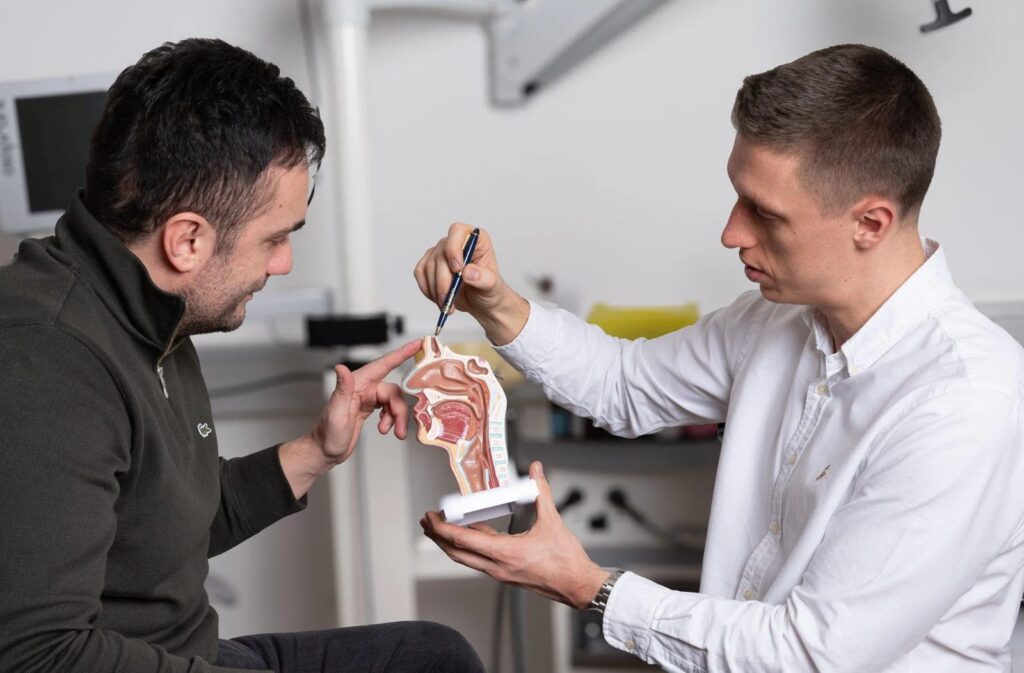
The nose contains cartilage, bone, soft tissue and internal passages that work together to support breathing. The nasal septum separates the two main airways, while nasal valves influence airflow through narrower regions. Changes to these structures may contribute to obstruction, particularly when existing support is weak. External appearance does not always reveal internal problems. A patient with a relatively straight-looking nose may still experience breathing difficulties. Understanding this distinction helps explain why surgical assessment involves more than examining facial photographs or discussing preferred cosmetic changes.
Recognising Different Causes Of Obstruction
Difficulty breathing through the nose does not automatically mean surgery is necessary. Allergies, chronic inflammation, enlarged turbinates and nasal polyps can also affect airflow. Some problems respond to medication or other appropriate medical management. Structural concerns, including a significantly deviated septum or weakened nasal valves, may require a different assessment. Symptoms occurring mainly during seasonal allergies deserve consideration separately from persistent obstruction. Establishing the actual cause helps prevent unnecessary cosmetic procedures and ensures that patients receive appropriate investigation when breathing difficulties are their primary concern.
Considering Facial Balance Without Standardisation
Nasal proportions vary naturally between individuals, and no single bridge height or tip shape complements every face. Patients exploring best rhinoplasty malaysia information should focus on appropriate surgical expertise rather than promises of a universally ideal result. Surgeons consider the relationship between the nose, chin, forehead and other facial features when discussing possible changes. A higher bridge or narrower tip is not automatically more attractive. Personal preferences and anatomical suitability should guide planning while preserving the characteristics that make someone’s appearance distinctive.
Exploring Structural Support And Grafting
Some rhinoplasty procedures require additional support to reshape or strengthen particular nasal structures. Surgeons may use cartilage obtained from the nasal septum, ear or rib, depending on the complexity of the planned operation. Selected patients may also be considered for implants, although these introduce different potential complications. The available cartilage, skin thickness and desired changes influence material selection. Structural grafting is not necessary in every case. Understanding why a particular material is recommended helps patients appreciate the difference between simply changing appearance and maintaining appropriate nasal support.
Choosing Between Surgical Access Techniques
Rhinoplasty can involve open or closed surgical approaches. In closed rhinoplasty, incisions are made inside the nostrils, while an open approach includes a small incision across the columella. The open technique provides greater access to certain structures, which may be useful during complex reconstruction or extensive tip work. Neither method is automatically superior for every patient. The decision depends on anatomy, surgical objectives and the required degree of exposure. Patients should understand why their surgeon recommends a particular approach rather than choosing solely according to scar concerns.
Understanding Breathing Risks After Surgery
Although rhinoplasty can address selected structural breathing problems, improvement is not guaranteed. Excessive narrowing, altered cartilage support, or postoperative scarring may contribute to new or persistent obstruction. Other complications include bleeding, infection, asymmetry and dissatisfaction with appearance. Swelling can also temporarily affect airflow during early recovery. Patients should discuss existing nasal symptoms and previous injuries before surgery. A careful consultation helps distinguish realistic functional goals from changes that are primarily cosmetic, ensuring that breathing considerations remain part of the overall surgical plan.
Allowing Nasal Tissues To Settle
Nasal healing develops gradually because skin, cartilage and supporting tissues respond differently following surgery. Early swelling can obscure the eventual contour, particularly around the nasal tip. Some patients notice continued refinement over several months, with residual swelling sometimes taking a year or longer to settle. Follow-up appointments allow the surgeon to monitor healing and investigate unexpected symptoms. Patients should follow individual instructions concerning physical activity and nasal care. Judging the result too early can create unnecessary concern while normal postoperative changes are still developing.
Conclusion
Nose surgery involves a relationship between appearance, structural support and breathing that cannot be understood through photographs alone. Considering each element during surgical planning helps patients avoid unrealistic expectations about cosmetic refinement or functional improvement. Educational information available through drsomaplasticsurgery.com explains nasal anatomy, surgical techniques and relevant treatment considerations. Adults exploring nose surgery can prepare a record of previous nasal injuries, breathing concerns and desired appearance changes before meeting a qualified plastic surgeon. This provides a useful starting point for discussing whether surgery is appropriate and which objectives can realistically be addressed.