
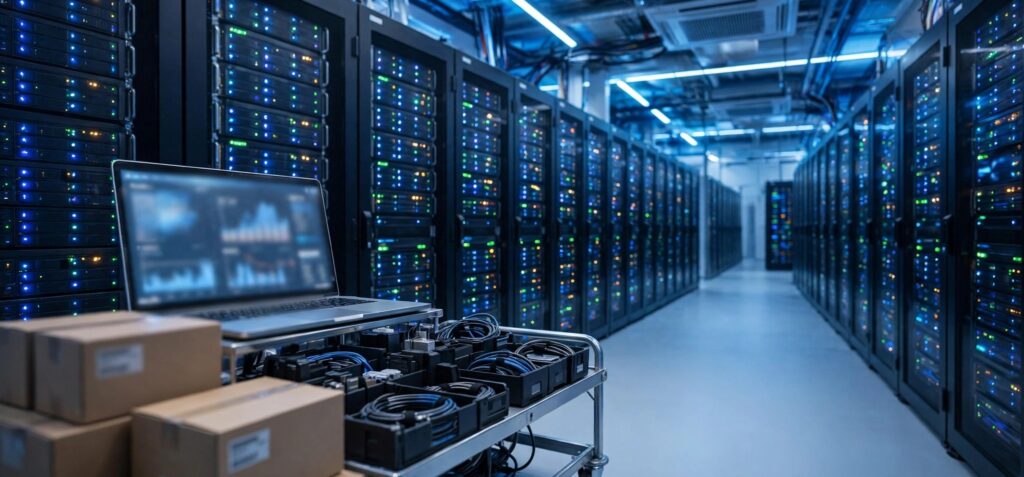
Managing technology assets is a functional process that assists organizations in regulating expenditures, increasing productivity and maintaining oversight of financial records. Corporate entities rely on electronic systems for daily tasks, which makes the supervision of computers, programs, servers and hardware vital for financial stability. Structured management frameworks offer clear insight into technology investments – this clarity allows leaders to make choices based on data while eliminating expenditures that do not serve a purpose. Organizations establish precise spending habits – keeping detailed records and observing how hardware is used.
Increasing Clarity Regarding Technology Expenditures
Creating a precise list of technology assets allows a company to identify owned hardware and software, their physical locations and their current usage levels. If asset data is unreliable, companies may buy duplicate items or pay for subscriptions that nobody uses. Centralized records create transparency in spending – this transparency assists managers in finding ways to lower costs.
Visibility further enables a company to check current inventory before it approves a new purchase. Managers can evaluate if existing tools meet the needs of staff members or if a new purchase is required for specific tasks. Such a strategy encourages careful budget planning. It also prevents the waste of funds on new equipment when existing resources are available. By combining centralized inventory records with managed IT services Toronto, organizations can improve oversight of their technology assets and maintain a clearer understanding of expenditures and resource allocation.
Lowering Software & Licensing Expenses
Software licenses are a large financial obligation for companies with multiple departments. Management systems allow a company to observe software installations, renewal dates and legal contracts – this observation ensures that the number of purchased tools matches the actual needs of the workforce. Periodic reviews of software usage help identify dormant accounts or overlapping applications that cause recurring costs.
Systematic license oversight also keeps an organization in agreement with legal contracts, which prevents financial fines. Detailed records regarding ownership and renewal dates allow for better planning of future payments. Through regular observation, a company is able to negotiate better contracts and combine similar applications to ensure every investment provides a specific utility.
Prolonging Hardware Use & Lowering Replacement Costs
Purchasing new computers and networking hardware is a significant demand on corporate budgets. Asset management tracks the age, repair history and warranty status of every device – this data allows a company to decide when a replacement is actually required. Rather than following a random timeline, managers can check the physical state of a machine before spending money.
Scheduled maintenance and prompt repairs are also effective ways to keep hardware functional for longer periods. Checking warranty details ensures that a company uses available manufacturer coverage instead of paying for repairs with internal funds – these habits make technology costs more predictable and increase the value of current hardware. Managed it solutions can complement these efforts by helping organizations maintain existing technology infrastructure and coordinate hardware maintenance and replacement planning.
Improving Financial Planning
Accurate records of technology assets lead to better financial planning. Decision makers receive data about current investments and the costs of future repairs. Companies use these details to build budgets that include equipment wear, maintenance and upcoming software updates. Better predictions lower the chance of sudden costs and ensure that spending matches long term goals.
Management systems also help a company study the financial effects of technology choices before they are made. Comparing the purchase price with the cost of maintenance and the expected lifespan of a tool provides a total cost of ownership – this data allows managers to choose investments based on their lasting utility rather than the initial price tag.
Increasing Productivity & Reducing Waste
Efficient management ensures that employees have the necessary tools to perform their duties without delay. Standardized hardware and clear distribution rules make it easier to buy, set up and fix equipment – these improvements lower the amount of administrative work required. Technical staff are able to focus on projects that help the company reach their goals.
Organizations also experience better coordination between departments and service providers. Keeping precise data makes it easier to solve technical problems and plan infrastructure. A structured environment leads to steady operations and encourages every staff member to use resources responsibly.
Conclusion
IT asset management is a foundation for controlling corporate costs and increasing accountability. Through inventory tracking, software oversight and hardware maintenance, a company is able to eliminate waste – these practices improve planning and allow for sustainable spending as the needs of the company change.