
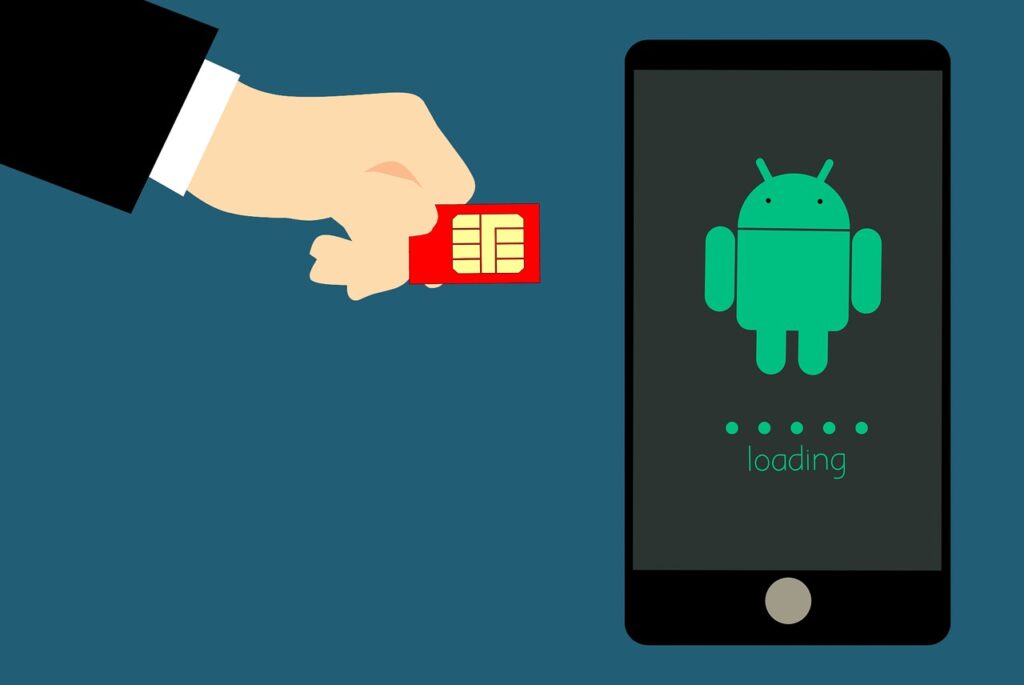
The way people connect to mobile networks is changing fast. At the center of this shift is the eSIM—an embedded SIM card that replaces the need for the traditional plastic chip. Instead of swapping cards at the airport or waiting for delivery in the mail, an eSIM can be activated instantly with a QR code or app.
This digital-first approach is reshaping mobile connectivity for travelers, remote workers, and even everyday smartphone users.
Key Drivers Behind eSIM Growth
5G and IoT Expansion
The rollout of 5G and the rise of connected devices are driving demand for remote SIM provisioning. From cars and wearables to industrial sensors, eSIMs make it easy to update network profiles without shipping or replacing a physical SIM card. For businesses managing fleets of devices, this flexibility is invaluable.
Global Mobility and Remote Work
As remote work becomes a permanent reality, workers and digital nomads alike need seamless internet access across borders. eSIMs provide instant local connectivity in new countries—often at lower costs than roaming. Downloads of eSIM profiles have doubled year-over-year since 2022, and adoption shows no signs of slowing.
Post-Pandemic Travel Rebound
International travel has surged back, and eSIMs have emerged as a cost-effective alternative to roaming. Analysts project that by 2028, nearly one-third of global travelers will rely on eSIMs. Savings of 20–35% on mobile data are common, giving travelers both speed and affordability.
Sustainability and Waste Reduction
eSIMs also reduce plastic waste and shipping emissions. Traditional SIM cards generate millions of tons of plastic and packaging annually. A full transition to eSIMs in Europe alone could eliminate thousands of tons of waste each year. For eco-conscious businesses and consumers, this makes eSIMs an attractive upgrade.
The Problems with Physical SIMs
While traditional SIM cards have powered global mobile adoption, they are increasingly out of step with modern needs:
-
Inconvenience: Swapping or carrying multiple SIMs is cumbersome. Lost or delayed SIM cards can mean days without connectivity.
-
Limited Flexibility: Switching carriers requires a new card. Business users managing multiple devices must juggle dozens of chips.
-
Security Risks: SIM cards can be stolen, cloned, or removed. By contrast, an embedded eSIM is tied to the device’s hardware, reducing the risk of unauthorized access.
-
Hidden Costs: Roaming often leads to unexpected bills, while plastic SIMs add environmental costs through manufacturing and shipping.
In short, the old SIM model is rooted in legacy telecom practices. By moving to digital SIM profiles such as Maaltalk eSIM, you can eliminate these frictions: connectivity becomes as simple as tapping through an app. eSIMs bring mobile connectivity into line with today’s demand for speed, flexibility, and sustainability.
How eSIM Providers Are Leading the Way
New digital-first providers are capitalizing on this shift by offering global coverage, fast provisioning, and user-friendly platforms. Their services typically include:
-
Wide Global Reach: Plans covering 150+ countries, with both regional and global options.
-
Flexible Pricing: Prepaid, no-contract plans that fit everything from a weekend trip to a multi-month stay.
-
Instant Activation: QR code or app-based setup that connects users in minutes—no shipping or waiting.
-
Multiple Plan Options: From unlimited packages to data-only plans, users can choose the package that fits their needs.
-
App-Based Management: Clean, intuitive apps make it easy to install, switch, and manage multiple eSIM profiles.
This level of convenience has earned digital-first eSIM providers positive reviews from frequent travelers, remote workers, and international students.
Looking Ahead
The shift from physical to digital SIMs isn’t just about convenience—it’s about unlocking a new era of seamless, global connectivity. As 5G expands and IoT devices proliferate, eSIMs will likely become the default standard across smartphones, wearables, and connected vehicles.
For businesses, eSIM adoption means lower costs, stronger security, and easier device management. For consumers, it means never having to worry about roaming fees, shipping delays, or juggling tiny plastic cards again.
The bottom line: eSIMs aren’t just a tech trend. They’re the future of mobile connectivity—simpler, faster, greener, and built for a borderless world.