
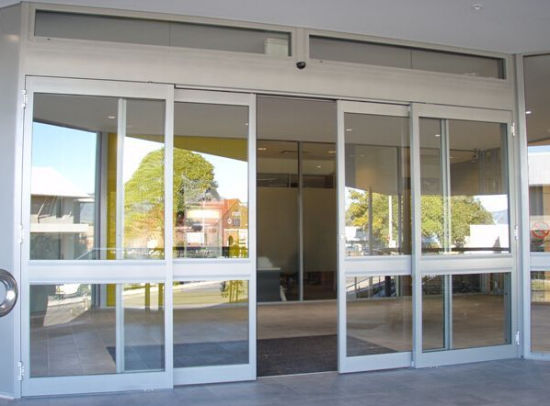
Automatic doors are one of those building systems that people only think about when something goes wrong. They swing open smoothly for years, and then one day the sensor stops responding, or the door starts closing on people instead of waiting for them to clear the threshold. For facility managers and building owners, understanding which components wear out first is the key to planning ahead instead of reacting to a breakdown. Automatic door modernization isn’t just about swapping in new technology for the sake of it; it’s about replacing the parts that are most likely to fail before they cause a safety issue, a compliance violation, or an expensive emergency repair.
This article breaks down the components of an automatic door system that tend to become obsolete or unreliable first, why that happens, and what building owners should know about timing their upgrades.
Understanding the Lifecycle of an Automatic Door System
An automatic door isn’t a single unit. It’s a collection of mechanical, electrical, and electronic parts working together: the operator (the motor and drive mechanism), the sensors, the control board, the safety beams, the door frame and glass, and the power supply. Each of these components has a different expected lifespan, and they don’t all age at the same rate.
Mechanical parts tend to wear gradually and predictably. Electronic components, on the other hand, often fail suddenly, either because a part burns out or because the manufacturer stops supporting the technology altogether. This second kind of obsolescence, where a part still works but can no longer be serviced or replaced, is becoming more common as automatic doors increasingly rely on digital controls and networked sensors.
Knowing this distinction matters. A building owner planning automatic door modernization needs to think about both physical wear and technological obsolescence, because a component can fail you in either way.
Sensors Are Usually the First to Go
Motion sensors and safety sensors are typically the first components to show signs of trouble. These sensors sit at the top of the door frame or along the sides, and they’re responsible for detecting when someone is approaching or standing in the doorway. Because they’re constantly exposed to temperature swings, dust, humidity, and vibration from the door’s movement, their internal electronics degrade faster than the heavier mechanical parts.
Older infrared and microwave sensors, in particular, tend to lose calibration over time. A sensor that once reliably detected a person walking up might start missing slow-moving pedestrians, wheelchairs, or small children. This isn’t always obvious to building staff since the door still opens for most people, but it creates a real safety risk and often puts a building out of compliance with ADA or local accessibility codes.
Sensor technology has also moved quickly in the past decade. Many systems installed ten or more years ago use sensor models that manufacturers have discontinued, meaning that when one fails, a technician can’t simply find a replacement part. Instead, the whole sensor unit needs to be swapped for a newer model, which sometimes requires updating the control board as well to maintain compatibility. This is one of the most common starting points for automatic door modernization projects, since sensor upgrades often reveal other aging components in the process.
Control Boards Age Faster Than Most People Expect
The control board is the brain of the automatic door system. It interprets signals from the sensors, manages timing, and tells the operator when to open, hold, or close the door. While a well-built control board can last many years mechanically, the software and firmware running on it often becomes outdated much sooner.
Manufacturers periodically update their control systems to improve safety responsiveness, add diagnostic features, or meet new building codes. Once a manufacturer moves on to a newer control board design, older boards gradually lose firmware support. Replacement boards become harder to source, and technicians may need to track down parts from secondary suppliers or refurbished stock.
This creates a frustrating situation for building owners: the door still functions, but repair costs climb because parts are scarce, and the system can’t take advantage of newer safety standards or energy-saving features. In many cases, this is the point where a simple repair no longer makes financial sense, and a broader automatic door modernization becomes the more practical choice.
Battery Backup Systems Fail Quietly
Most commercial automatic doors include a battery backup to keep the door operational during a power outage, which is often required for emergency egress compliance. These batteries are easy to overlook because they sit inside the operator housing and rarely get inspected unless there’s a scheduled maintenance visit.
Batteries have a defined shelf life, typically three to five years, and they degrade whether or not the door is used frequently. A fading battery might not show symptoms until the exact moment it’s needed, during a power failure. Facility teams sometimes discover their door’s backup battery is dead only after an outage leaves the door stuck in a position that blocks an exit or entrance.
Because this component fails silently, it’s one of the more dangerous blind spots in automatic door maintenance. Regular testing and timely replacement should be part of any modernization or upkeep plan, and it’s often one of the cheapest fixes compared to the risk it prevents.
Door Operators Wear Down Mechanically Over Time
The operator, which includes the motor, gearbox, and belt or arm mechanism that physically moves the door, is built to withstand heavy daily use. Most operators are rated for hundreds of thousands or even millions of cycles. Even so, mechanical wear eventually catches up, especially in high-traffic locations like hospitals, airports, and retail entrances.
Common signs of an aging operator include grinding or squeaking noises, inconsistent opening speed, or the door slowing down and speeding up unpredictably. Belts can stretch or fray, gears can wear down, and motors can lose torque over years of continuous use.
Operators generally have a longer service life than sensors or control boards, but they’re not immune to obsolescence either. Older operator models may not be compatible with newer sensor or control technology, which means that when a facility finally does decide to modernize sensors or control boards, the operator sometimes needs to be replaced too in order to keep everything working together smoothly.
Glass, Frames, and Hardware Age the Slowest
Compared to the electronic and mechanical components, the physical structure of an automatic door, including the glass panels, aluminum framing, and hinges or tracks, tends to last the longest. These parts are mostly passive; they don’t contain circuitry or moving motors, so they’re less prone to sudden failure.
That said, they’re not maintenance-free. Weatherstripping wears out, seals can crack, and glass can develop scratches or stress fractures from years of exposure to temperature changes and impact. Hardware like door guides and rollers also experience friction wear, especially in sliding door systems.
When building owners plan an automatic door modernization project, they often focus heavily on the technology (sensors, controls, operators) and treat the frame and glass as an afterthought. This can be a mistake, since an aging frame that no longer seals properly will undercut the energy efficiency benefits that come with newer automatic door technology.
Why Automatic Door Modernization Often Happens in Stages
Because different components age at different rates, most facilities don’t replace an entire automatic door system all at once. Instead, modernization tends to happen incrementally: sensors get upgraded first, followed by the control board a few years later, and eventually the operator itself once mechanical wear becomes noticeable.
This staged approach makes financial sense, but it does require careful planning. Upgrading a sensor without checking compatibility with an older control board can create more problems than it solves. A qualified automatic door technician should always be involved when planning even a partial upgrade, since mismatched components can lead to inconsistent performance or safety code violations.
Building owners who take a proactive approach, scheduling regular inspections and replacing components before they fail, tend to spend less over time than those who wait for a breakdown. Reactive repairs are almost always more expensive than planned upgrades, both because of emergency service fees and because a failed door can disrupt business operations or create liability concerns.
Signs It’s Time to Consider Modernization
There are a few practical indicators that a facility should start thinking seriously about automatic door modernization rather than continuing with piecemeal repairs. A door that fails to detect pedestrians consistently, makes unusual noises during operation, takes noticeably longer to respond, or requires frequent service calls for the same recurring issue is signaling that its components are nearing the end of their useful life.
Another sign is simply the age of the system. Automatic doors installed more than twelve to fifteen years ago often use sensor and control technology that current manufacturers no longer support. Even if the door appears to be functioning normally, the lack of available replacement parts means that any failure could result in extended downtime while a technician sources compatible components or recommends a full system replacement.
Finally, changes in accessibility codes or building safety standards can also drive modernization decisions. A door that was compliant when installed may no longer meet current requirements for opening force, closing speed, or sensor sensitivity, making an upgrade necessary regardless of how well the hardware is holding up mechanically.
FAQ
How long do automatic door sensors typically last?
Most sensors last between seven and ten years, though this varies based on usage frequency and environmental exposure. Outdoor doors exposed to temperature swings and moisture often need sensor replacement sooner than indoor doors.
What’s usually more cost-effective: repairing or replacing an automatic door component?
It depends on the component and its age.
- Sensors and batteries are relatively inexpensive to replace and rarely worth repairing.
- Control boards can be costly to replace, especially if the model is discontinued, but attempting a workaround repair often leads to compatibility issues down the line.
- Operators are usually repairable for many years before full replacement becomes necessary.
Can I upgrade just one component without replacing the entire system?
In many cases, yes. Sensors and control boards can often be upgraded independently, as long as a technician confirms compatibility with the existing operator and wiring. However, older systems sometimes require a broader upgrade if the existing parts can’t communicate with newer technology.
How often should automatic doors be inspected?
Most manufacturers and safety codes recommend inspections at least twice a year, with more frequent checks for high-traffic commercial entrances. Regular inspections catch early signs of sensor drift, battery degradation, and mechanical wear before they become safety issues.
Does automatic door modernization improve energy efficiency?
Yes. Newer operators and sensors are generally more energy efficient, and improved sealing and sensor accuracy reduce the amount of time doors stay open unnecessarily, which helps minimize heating and cooling loss.
What happens if a component becomes obsolete and can’t be repaired?
If a manufacturer discontinues a part, technicians will typically recommend replacing it with a current compatible model rather than searching for scarce legacy parts. This is often the point where facility owners decide to modernize the broader system instead of chasing increasingly rare replacement components.
Planning Ahead Keeps Automatic Doors Safe and Reliable
Automatic doors are a long-term investment, and like any system made up of multiple interacting parts, some components will always wear out or become outdated before others. Sensors tend to go first, followed by control boards and battery backups, while operators and physical framing generally last the longest. Recognizing this pattern allows building owners to plan upgrades proactively instead of waiting for a failure that disrupts operations or creates a safety hazard.
Taking a staged, informed approach to automatic door modernization, guided by regular inspections and a clear understanding of each component’s expected lifespan, helps ensure that entrances remain safe, compliant, and efficient for years to come.