
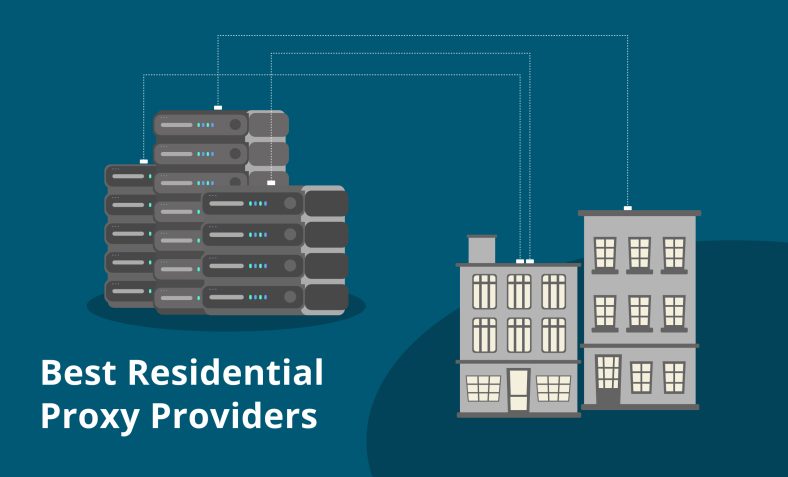
A residential proxies is an IP address assigned by an internet service provider (ISP) to a real home user. Unlike datacenter proxies, which are created in bulk and often flagged as artificial, residential proxies blend seamlessly into regular internet traffic.
If you’ve ever tried web scraping, sneaker copping, or managing multiple social media accounts, you’ve probably run into issues with IP bans. That’s where residential proxies come in—they make it look like your traffic is coming from real users rather than a bot or data center. But with so many options on the market, how do you pick the right one in 2025? Let’s break it down so you can get the best bang for your buck.
What Are Residential Proxies and Why Do You Need Them?
A residential proxies is an IP address assigned by an internet service provider (ISP) to a real home user. Unlike datacenter proxies, which are created in bulk and often flagged as artificial, residential proxies blend seamlessly into regular internet traffic.
Common Uses for Residential Proxies
- Web Scraping – Collecting data from websites without getting blocked
- Sneaker & Retail Botting – Buying limited-edition items before they sell out
- Ad Verification – Checking how ads appear in different regions
- Market Research – Monitoring competitor prices and trends
- Social Media Management – Running multiple accounts without bans
I personally use residential proxies for web scraping and social media automation. Without them, I’d be locked out of sites constantly. If you’ve ever tried running a bot without a good proxy, you know how quickly you’ll hit a rate limit or get flagged.
What to Look for When Buying a Residential Proxy
Not all residential proxies are created equal. Here are the key things you should consider before making a purchase.
1. IP Pool Size & Diversity
Bigger is usually better when it comes to proxy pools. If a provider has only 10,000 IPs, you’ll run into issues with bans quickly, especially for scraping or automation. Look for services offering millions of residential IPs spread across multiple countries.
🔹 Pro Tip: If you need geo-targeting (e.g., viewing Google search results from Tokyo or New York), check if the provider allows city-level targeting.
2. Rotating vs. Static Proxies
- Rotating Proxies – Change your IP address with every request or at set intervals.
- Static (Sticky) Proxies – Keep the same IP for a longer session.
I use rotating proxies for large-scale scraping because they help avoid detection. However, if I’m managing multiple social accounts, I stick with static proxies to maintain consistency and avoid suspicious logins.
3. Speed & Latency
A slow proxy is worse than no proxy at all. If your requests take forever, you’ll be frustrated and unproductive. Look for proxies with low latency and high-speed connections (at least 10 Mbps per IP).
Some providers let you test speeds before you buy—always take advantage of this.
4. IP Reputation & Cleanliness
Dirty IPs get flagged fast. If a proxy has been used for spam, scraping, or shady activities, it won’t be useful for long. You want fresh, high-quality residential IPs that haven’t been blacklisted.
🔹 Pro Tip: Some providers let you filter out “recycled” IPs, which are often resold too many times.
5. Authentication & Security
You’ll typically authenticate proxies in one of two ways:
- Username/Password Authentication – Easier to manage, works with most tools
- IP Whitelisting – More secure, but requires a stable IP on your end. If your real connection’s public IP changes there is a workaround that you can do to be able to use the mobile proxy network.
- You should consider installing a VPN (even a free one will work, like Proton VPN) and connect to the proxy via the VPN.
- First, you need to install the VPN, connect to it and check the VPN’s IP.
- The second step is to whitelist the VPN’s public IP in your proxy order. And connect to your proxy over the VPN connection.
- Here’s how your connection will look:
- Your PC > VPN > Proxy > Internet
If you’re handling sensitive data, make sure the provider uses strong encryption and data privacy measures to protect your traffic.
6. Pricing & Billing Model
Residential proxies are priced in two main ways:
- Per GB of bandwidth – Best for casual users; pay only for what you use
- Per IP – Good for long-term use, but costs can add up
Avoid super-cheap proxies—if a deal seems too good to be true, it probably is. I once bought a “lifetime deal” on a proxy service that shut down within a month.
7. Compatibility & Integration
Before buying, check if the proxies work with:
- Common protocols – HTTP, HTTPS, SOCKS5
- Your tools – Scrapers, bots, browsers
If you’re automating tasks, SOCKS5 proxies usually offer better security and flexibility.
8. Customer Support & Reliability
Things go wrong. When they do, you want fast and knowledgeable support. Look for providers with:
- 24/7 live chat or email support
- A trial or money-back guarantee
- Good reviews from real users (avoid fake testimonials!)
Trends in Residential Proxies for 2025
AI-Powered Proxy Detection
Websites are getting smarter. Advanced AI-driven anti-bot systems can detect and block suspicious behavior. To stay ahead, look for providers that offer undetectable proxies with real user fingerprints.
Ethical & Legally Compliant Proxies
Some companies have faced lawsuits for misusing residential IPs. Stick to reputable providers that source their IPs legally through partnerships or opt-in programs.
5G Residential Proxies
These are a hot topic right now. 5G mobile proxies are super fast and harder to detect, but they’re expensive. If you need the best speed and stealth, they might be worth the investment.
Red Flags to Avoid
- Unrealistically low prices – Good proxies aren’t dirt cheap
- No refund policy – A bad sign if they won’t stand by their product
- Lack of transparency – If they don’t explain where they source IPs, be cautious
Final Thoughts
Buying the right residential proxy in 2025 comes down to your specific needs. If you’re scraping data, go for rotating proxies with a big IP pool. If you’re managing accounts, get reliable static proxies. And whatever you do, don’t skimp on quality—cheap proxies will cost you more in the long run.
🔹 Quick Recap:
- Look for large, clean IP pools
- Choose rotating or static proxies based on your use case
- Test speed and latency before committing
- Check for secure authentication and privacy protections
- Stick with trusted providers with solid support
With the right residential proxy, you’ll be able to browse, scrape, and automate like a pro. Happy proxy hunting! 🚀