
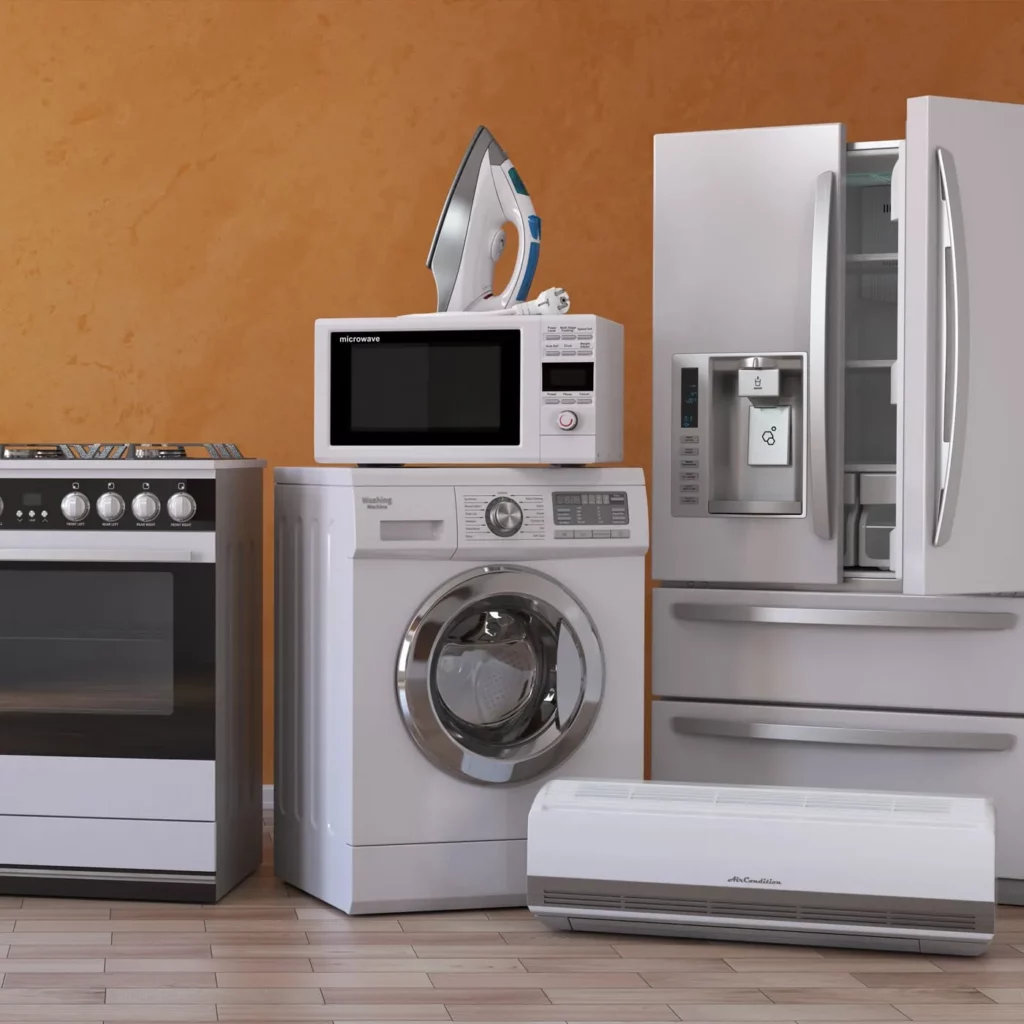
Household appliances—such as refrigerators, washing machines, ovens, and dryers—are integral to our daily lives. When they stop working correctly, the disruption can be significant. While it’s tempting to call a repair professional immediately, taking a few minutes to perform basic troubleshooting can save you time, money, and unnecessary stress. Many common appliance problems stem from simple, fixable causes that don’t require professional intervention. This article guides you through essential checks before calling an expert, helping you understand your appliances better and avoid unnecessary service costs.
Why You Should Troubleshoot Your Appliance Before Calling a Repair Expert
Taking time to troubleshoot appliances yourself brings several benefits:
- Cost Savings: Many repair services charge a diagnostic or service call fee, regardless of the repair. Identifying simple problems yourself can prevent unnecessary expenses.
- Avoid Unnecessary Repairs: Sometimes appliances malfunction due to minor issues such as blocked vents, loose connections, or incorrect settings that can be corrected without tools.
- Enhanced Appliance Knowledge: Learning basic operation and common issues helps you spot early warning signs and take timely action to prevent larger breakdowns.
For example, if your refrigerator isn’t cooling properly, dirt buildup on the condenser coils—heat-exchanging components located usually at the back or bottom of the fridge—can cause it to overheat and underperform. Cleaning these coils might restore normal function without needing a technician.
However, while troubleshooting is beneficial, be mindful of your own safety and the appliance’s complexity. For electrical components or sealed systems, professional diagnosis is safer and more reliable.
What to Check First: Basic Troubleshooting for Common Appliances
Below are practical steps to check before requesting professional appliance repair. These methods apply to the most frequently used household machines.
1. Refrigerator Troubleshooting
Common Issues: Inadequate cooling, water leaks, strange noises.
- Condenser Coils: These coils release heat absorbed from inside the fridge. When covered with dust or debris, the coils can’t dissipate heat efficiently, causing the compressor to overwork. Cleaning coils with a vacuum cleaner or brush every 6 months is recommended.
- Temperature Settings: The thermostat regulates internal temperature. Check that it is set between 35-38°F (1-3°C) for optimal food preservation.
- Door Seals: Rubber door gaskets create an airtight seal, maintaining cool air inside. Inspect for cracks or brittleness. Damaged seals cause cold air to leak, increasing energy use and reducing cooling performance.
2. Washing Machine Troubleshooting
Common Issues: Failure to drain, excessive noise, water leaks.
- Drain Filter: Lint, coins, or small objects can clog this filter, impeding water drainage. Most machines have accessible filters near the base; clean these regularly.
- Water Supply Hoses: Ensure hoses are connected properly and free from kinks or damage to guarantee water flow.
- Load Balance: Unbalanced laundry loads cause vibrations and noisy operation. Distribute clothes evenly and avoid overloading.
3. Dishwasher Troubleshooting
Common Issues: Poor cleaning, water leakage, failure to drain.
- Spray Arms: These rotate and spray water; mineral deposits or food debris can clog their holes, reducing cleaning efficiency. Remove and clean spray arms monthly.
- Filter: A clogged filter hinders water circulation. Regularly clean the filter basket as per manufacturer instructions.
- Drain Hose: Check for bends, blockages, or kinks that prevent proper drainage.
4. Oven Troubleshooting
Common Issues: Uneven heating, oven won’t turn on.
- Heating Elements: These rods heat the oven; check visually for breaks or burn marks. Faulty elements cause insufficient or no heat.
- Thermostat: This sensor regulates oven temperature. If readings are off, recalibration or replacement may be required.
- Fuses and Breakers: Verify if the oven’s fuse is intact and circuit breakers haven’t tripped, as power issues can stop operation.
5. Dryer Troubleshooting
Common Issues: Clothes not drying, overheating, loud noises.
- Lint Trap: Clean the lint trap after every use. Lint buildup restricts airflow, causing inefficient drying and potential fire hazards.
- Ventilation: Inspect vent ducts and exhaust hose for blockages. Clogged vents reduce airflow, causing longer drying times and overheating.
- Belt: A worn or broken belt prevents the drum from spinning. If the drum doesn’t rotate, belt inspection is necessary.
How to Troubleshoot Your Refrigerator
Start by unplugging the fridge and cleaning the condenser coils. A brush or vacuum works well for removing dust. Next, verify the temperature settings on the thermostat panel. If the fridge still isn’t cooling adequately, the thermostat may be faulty. A multimeter, a device that measures electrical resistance, can test the thermostat for continuity (a continuous electrical path). If you are unfamiliar with electrical tools, consult a professional to avoid injury.
Troubleshooting Your Washing Machine: What to Check
If your washer won’t drain, inspect the drain filter for clogs. Remove any debris carefully. Check the water supply hoses for blockages or kinks. Uneven loads cause noisy spinning and vibrations—try redistributing the laundry evenly inside the drum. If the machine shows error codes or fails mid-cycle, try resetting it by unplugging for a few minutes.
Diagnosing Dishwasher Issues Before Calling for Help
Inspect the spray arms and remove any debris clogging the holes. Clean the filter basket inside the dishwasher regularly. Check the drain hose for kinks or clogs. If the dishwasher still doesn’t drain or clean properly, the problem may be with the pump or motor, which usually requires professional repair.
What to Do If Your Oven or Stove Isn’t Working Properly
Check the heating elements for physical damage or burn marks. A faulty element needs replacement. Use a multimeter to test the thermostat for proper function. If your oven won’t turn on, check your home’s circuit breaker or fuse box for tripped breakers or blown fuses. Refer to your oven’s manual for interpreting any displayed error codes.
Diagnosing Common Dryer Issues
Start by cleaning the lint trap after every use to maintain airflow. Inspect the ventilation duct and exhaust hose to ensure they are clear. A clogged vent can cause longer drying times and overheating. If the drum doesn’t spin, check the dryer belt for damage or breakage and replace if necessary.
Advanced Troubleshooting for More Complex Appliance Issues
Basic troubleshooting resolves many minor issues, but some problems require expert intervention. Electrical faults such as a malfunctioning control board or damaged wiring involve risks and specialized diagnostic equipment. Similarly, mechanical failures in motors, compressors, or fans often need professional skills and replacement parts. If your appliance shows persistent problems after basic checks, or if you detect sparking, smoke, or unusual smells, stop using it and contact a licensed technician immediately.
Common Appliance Mistakes to Avoid Before Calling a Pro
- Ignoring the Manual: Manufacturer guidelines include important safety and maintenance instructions. Neglecting them can cause damage.
- Using Harsh Cleaners: Abrasive products can harm sensitive parts and surfaces.
- Delaying Basic Maintenance: Skipping regular cleaning of filters, vents, and seals accelerates wear and leads to failures.
- Attempting Complex Repairs: DIY repairs on electrical or sealed components without proper knowledge are dangerous and can worsen damage.
When to Call a Professional for Appliance Repair
You should contact a professional if:
- You notice sparks, smoke, or burning smells.
- The appliance does not respond after basic troubleshooting.
- There are error codes or persistent malfunctions you cannot resolve.
- You feel uncertain about the safety or complexity of the issue.
Calling a professional early can prevent accidents and reduce repair costs.
How to Choose the Right Appliance Repair Expert
Choose a technician or company that offers:
- Proper licensing and certification.
- Proven experience with your appliance brand and type.
- Positive customer reviews and testimonials.
- Clear warranty policies on repairs.
- Transparent pricing and professional communication.
Conclusion – Know When to Fix It Yourself and When to Call a Pro
Basic troubleshooting can often resolve appliance issues and help you avoid unnecessary service fees. However, complex problems—especially electrical or mechanical failures—should be handled by licensed professionals to ensure safety and quality repairs. Regular maintenance, familiarity with your appliances, and timely expert intervention will prolong your appliances’ lifespan and maintain their performance.
Alpha Appliance offers expert and reliable repair services. Our licensed technicians prioritize safety, quality, and customer satisfaction. This article is for educational purposes only. All repairs and installations should be performed by certified professionals. Contact us for trusted appliance care.