
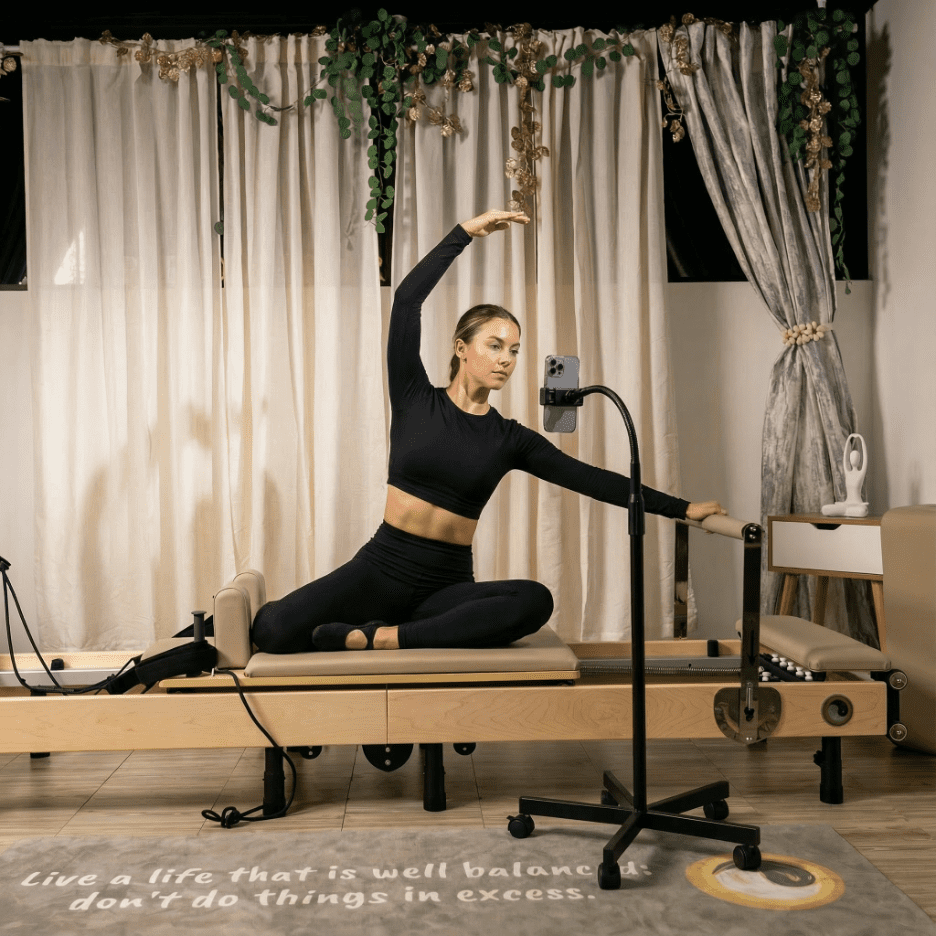
A Technical, Buyer-Focused Guide — with a Look at the Future of AI-Powered Pilates
Choosing a Pilates reformer or board is no longer just about price or aesthetics. Today’s buyers—whether home users, instructors, or studio owners—are looking for engineering quality, biomechanical precision, longevity, and intelligent guidance.
This article breaks down what truly matters when selecting a reformer and explains how PersonalHour is redefining the category—not only through equipment design, but through the world’s first AI-powered Pilates reformer app that turns any reformer into a smart training system.
- Frame & Structural Engineering: The Backbone of a Reformer
A reformer is only as good as its frame. From an engineering perspective, this is where many machines fail over time.
What to evaluate:
- Wood or Metal Type
○ Maple & hardwoods: superior vibration dampening, quieter rides, long-term durability
○ Aluminum: lighter but often transmits vibration and sound
- Load tolerance & flex resistance
○ Look for reinforced joints and structural cross-members
- Studio vs. home duty rating
○ Many “home” reformers are not designed for daily or multi-user load cycles
PersonalHour approach:
PersonalHour reformers are engineered with thicker hardwood frames, reinforced stress points, and studio-grade tolerances—even on foldable models. This ensures stability, silence, and longevity whether used twice a week at home or all day in a studio.
- Carriage System: Smoothness Is Not Optional
The carriage determines how your body experiences every single movement.
Key technical factors:
- Wheel material & bearings (polyurethane + sealed bearings last longer)
- Rail alignment tolerances (misalignment = noise, drag, uneven wear)
- Cushion density & thickness (affects spinal comfort and joint safety)
Why it matters:
A poorly engineered carriage creates micro-instability, which compromises form, increases joint stress, and limits progress.
PersonalHour difference:
PersonalHour carriages are designed with precision-aligned rails, quiet bearing systems, and thicker orthopedic cushioning, supporting both rehabilitation and high-intensity training.
- Resistance System: Springs vs. Bands
Resistance defines how accurately the reformer translates Pilates principles.
Look for:
- Steel springs (not bungees) for predictable, linear resistance
- Multiple spring options (5–6 springs for progression and load tuning)
- Easy, secure spring changes
Technical insight:
Springs provide consistent force curves, essential for proper eccentric and concentric muscle engagement.
PersonalHour standard:
All PersonalHour reformers use studio-grade steel springs, enabling precise resistance control for beginners, athletes, and rehab clients alike.
- Adjustability & Ergonomics: One Machine, Many Bodies
No two bodies are the same. A reformer must adapt without compromising biomechanics.
Must-have adjustments:
- Footbar height & angle
- Rope length and pulley position
- Headrest and shoulder block placement
- Compatibility with towers, jump boards, and accessories
PersonalHour focus:
PersonalHour designs prioritize fast, intuitive adjustments without sacrificing rigidity—ideal for shared studios and evolving home users.
- Space, Portability & Practicality
For many buyers, space is a deciding factor.
Consider:
- Foldable vs. stationary
- Weight vs. stability trade-off
- Ease of setup and storage
- White-glove delivery or professional installation
PersonalHour advantage:
PersonalHour offers both true studio machines and high-performance foldable reformers that do not feel like a compromise—making professional Pilates accessible in real homes.
- The Missing Piece in Pilates: Intelligent Guidance
Most reformers—no matter how well built—share the same limitation:
They don’t tell you if you’re doing the movement correctly.
This is where PersonalHour changes the industry.
- The World’s First AI Pilates Reformer App (Coming Soon)
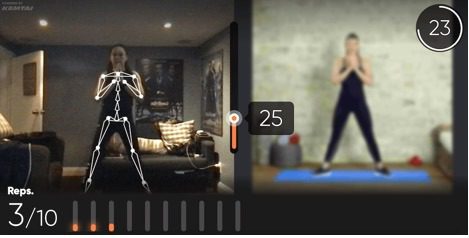
PersonalHour is launching the first AI-powered Pilates reformer app that turns your reformer into a smart, guided training system.
What makes it revolutionary:
- AI Personal Trainer
You don’t follow generic videos—the app adapts to you. - Camera-based movement detection
Uses the camera on your phone, tablet, or laptop
No wearables. No sensors. No new hardware. - Real-time form feedback
The AI observes alignment, range of motion, and tempo. - Corrective guidance
Tells you how to adjust—feet, spine, carriage control. - Accessible anywhere
Home, studio, travel—any reformer, any smart device.
Why this matters:
- Reduces injury risk
- Accelerates learning
- Supports people who can’t attend studios
- Makes high-quality Pilates education globally accessible
This is not just an app—it’s a new way of learning Pilates.
- Innovation Beyond Equipment
PersonalHour is not just selling reformers.
It is building an ecosystem where:
- Equipment engineering
- Digital intelligence
- Education
- Accessibility
…work together.
From its roots as a post-COVID mission to make Pilates accessible, PersonalHour has become one of the fastest-growing Pilates reformer brands in the U.S., driven by engineering rigor and technology-forward thinking.