
Looking to level up your advertising efforts? Your next best step may well be native advertising. Native advertising is everywhere and it’s becoming increasingly difficult to spot. But is that a bad thing? If you’re the marketer behind the native advertisement, then certainly not.
Today, we’ll guide you through everything you need to know about native advertising, from the definition of native advertising and the different types to the pros and cons, and the best practices you should know if you’re going to implement native advertising as a part of your marketing strategy.
What is Native Advertising? [Native Advertising Definition]
Native advertising is a type of digital advertising where the ads are designed to blend in with the surrounding content.
Think about one of the last display ads you saw on a blog post – you could likely tell that it had nothing to do with the content you were consuming. For example, you may have seen an ad for a deal on a new car while reading a film review.
Native advertising flows with the content published on the platform a user is on, rather than (often) being related to another area of their lives. It aims to engage users with relevant content that blends seamlessly with its surroundings and becomes a natural part of the user experience.
Native advertising can be found across all online platforms, from websites and news sites to social media platforms.
How does native advertising differ from other types of advertising?
As discussed above, native ads, as opposed to other types of display ads, are not designed to stand out as an advertisement. Here are two examples you will likely have encountered:
Normal advertisement: You see a display ad for a local gym while reading an article about the rumored updates on the next iPhone iteration. You may be interested in getting a gym membership there, but it’s not relevant to the tech content you’re consuming.
Native advertisement: You read a review for the latest iPhone in comparison to a new-to-the-market phone, published on a tech website. At the beginning of the review, they state that the article is sponsored by the new brand.
Both types of advertising have their place, but native advertising flows more seamlessly with the content you intended to consume.
6 Types of Native Advertising You Should Know About
Now you understand what native advertising is, and what it can look like, let’s discuss 6 of the most common forms of native advertising:
- In-feed ads: We’re so used to in-feed ads that we often don’t notice them unless they offer something that interests us (thus, getting us to “stop the scroll”), or are so badly put-together or targeted that we stop because it’s so unexpected. While we usually identify these in-feed ads as advertisements, they mimic the style of posts we’re used to seeing in our feed.

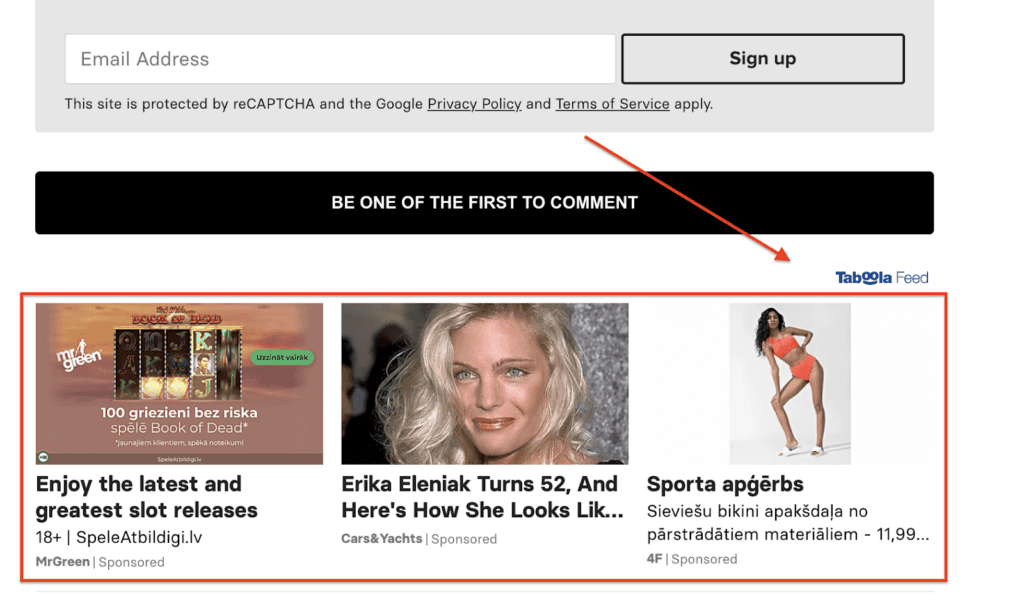
- Recommendation widgets: A recommendation widget is a type of native ad that will appear within, beside, or below the main content on a webpage. It will usually showcase one or a series of sponsored images, articles, or videos that are related to the content you searched for. The widget will be labeled as “sponsored” or “recommended” content.
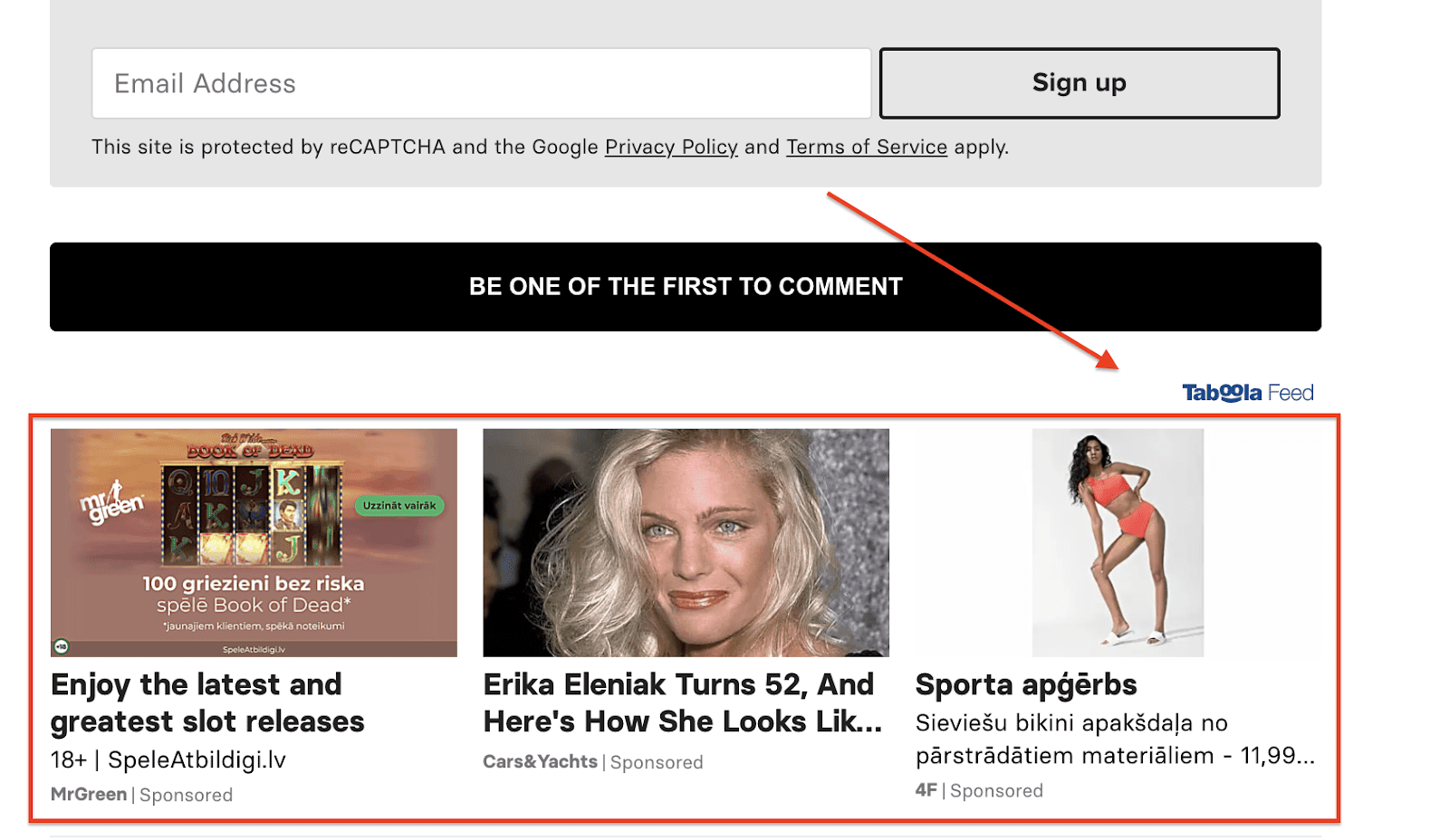
- Promoted listings: Typically found on marketplace websites, such as eBay or Amazon, promoted listings are the listings people have paid to have pinned to the top of the search results or the top of the category. They may also appear regularly within the search results, as is common on Etsy. These listings will have a small label such as “ad” or “promoted” to show they’re paid for.
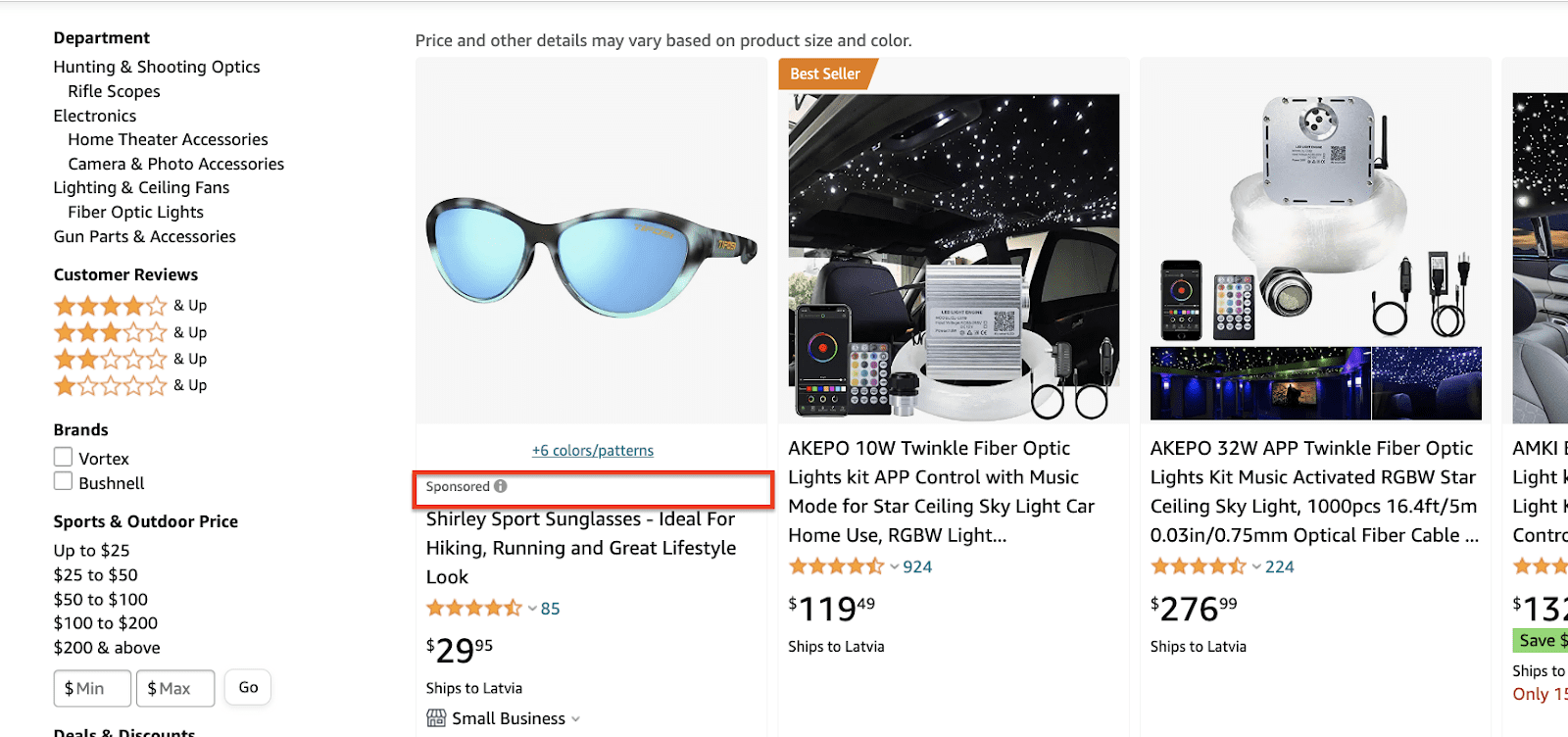
- Branded content: Branded content is where a brand works directly with the publisher to create the paid content. For example, a brand may pay a blogger to publish a post about, or including, their product or service. This content aims to provide the publisher’s audience with value while promoting the brand’s products or services.
- Sponsored social media posts: Sponsored social media posts are likely one of the types of native advertising you see most often. This is where the advertiser will pay an account with a large following to post about their product or service.
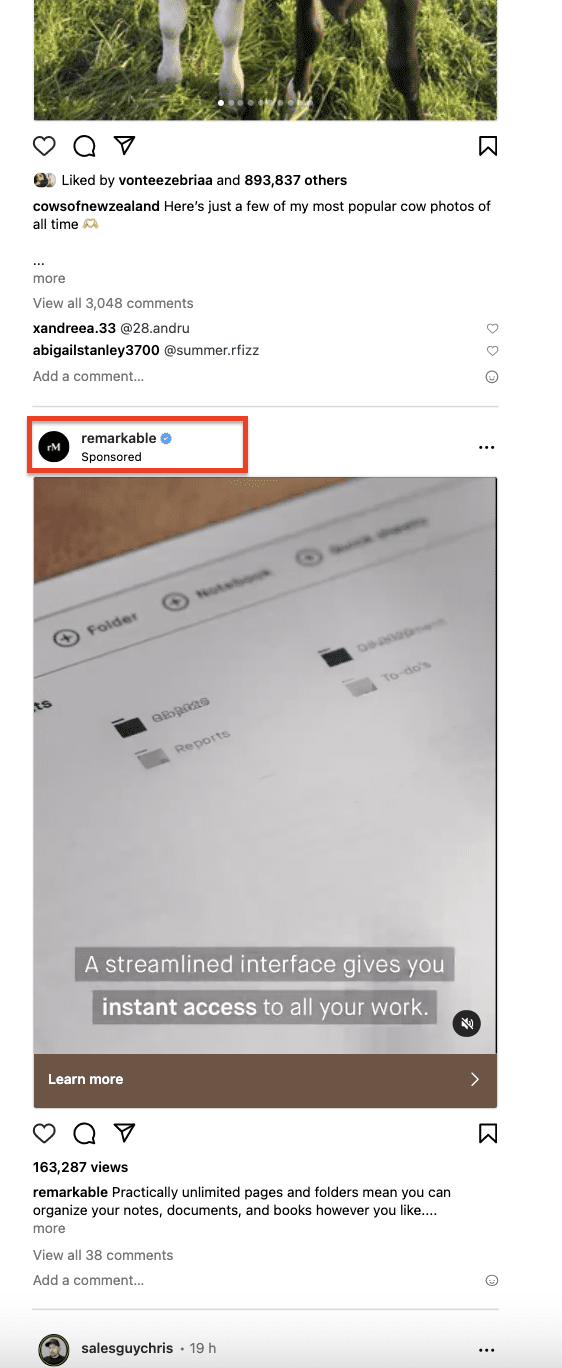
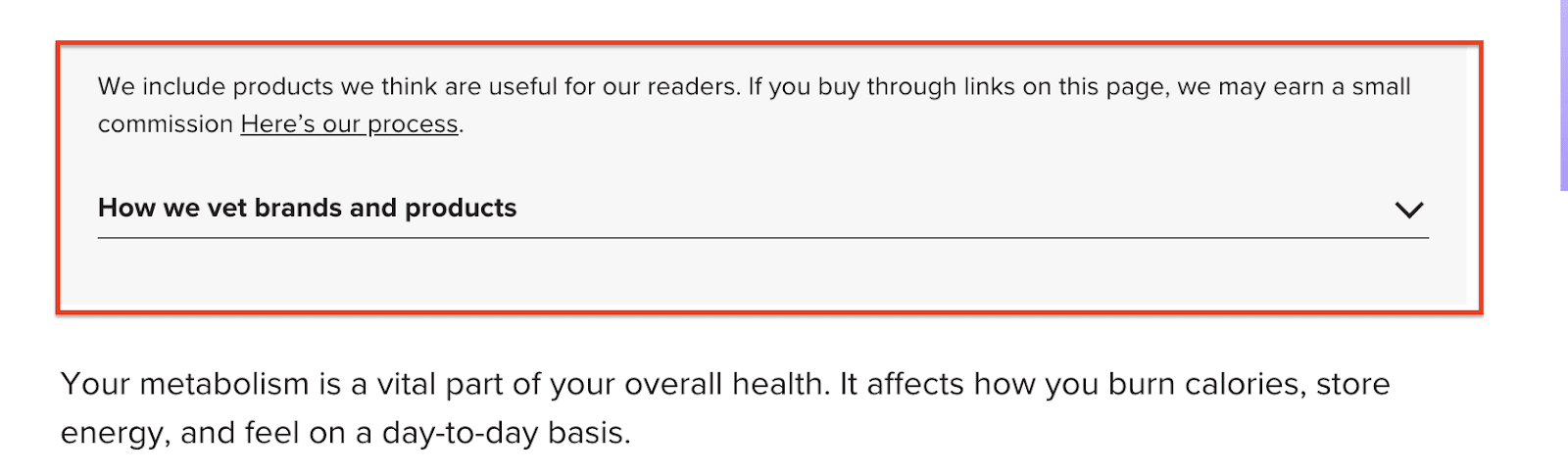
- Influencer marketing: Influencer marketing is an umbrella term that can include many of the above forms of native advertising, but essentially, all influencer marketing is native advertising. That’s because the influencer (AKA the publisher) is promoting the content within their normal content. For example, that can be through an affiliate marketing.
What are the Advantages of Native Advertising?
Native advertising has become commonplace, but it did have a somewhat controversial reputation for a while. In recent years, regulatory bodies have become very clear about what constitutes “hidden” advertising, which native advertising can easily become.
When these rules were less defined, it was easy for companies to use native advertising to promote their products and services through other publishers without the knowledge of the publisher’s audience. Today, native advertising can be both ethical and effective. Here’s how:
- High engagement rates: Native advertising not only blends in seamlessly with the platform they are presented on, but they’re also presented by publishers with a following who already knows, likes, and trusts them. Provided you’ve chosen an aligned and honest publisher, your native ad should get just as much engagement as the normal content they share.
- Increased brand awareness: The publishers open to native advertising already have a large audience and, even better, an audience that is likely interested in what you have to offer. This means you can quickly grow your brand awareness with a targeted audience.
- Increased audience targeting: Platforms like Facebook allow you to get granular about the audience you want to reach with your ads. If you hand-pick a publisher (whether that be a blog, news site, or influencer) you can even often see their analytics and know for sure that you’re targeting an audience that is hungry for what you offer.
- Increased trust and credibility: Native ads have two major advantages when it comes to trust and credibility; one, they are less disruptive and more contextually relevant to the audience that’s viewing it and, two, the audience is already primed to trust you because they’re hearing about you from a source they trust.
- Higher conversion rates: All of these advantages have been proven to drive higher conversion rates – reportedly 20-60% higher than display banner ads. A recent Hubspot study found that 83% of people surveyed agree with the statement, “Not all ads are bad, but I want to filter out the obnoxious ones.” This is what native advertising does – it ensures audiences are only seeing more of what they’ve already chosen to see.
What are the Drawbacks of Native Advertising?
- Possible deception of audiences: We touched on this in the introduction to the section above, but there’s still the issue that some native advertising can blend in so seamlessly that audiences may not recognize it as an ad. Built-in labeling makes this difficult on social media platforms, but they become less recognizable on independent publisher websites.
- Difficult to measure ROI: Besides native ads presented through a platform like Facebook and presented in the main feed, the success of most forms of native advertising cannot be measured by clicks and conversions. While there are ways to make tracking results easier (promotional codes linked to an influencer, and so on), calculating ROI on native ads can be difficult.
- Often dependent on a platform’s algorithm: Unless you’re presenting your native ad on a publisher’s blog or website, your native ad’s visibility will always be dictated by the platform’s algorithm. With platforms like Instagram making organic reach more difficult than ever, and many brands reporting that some of their posts are only being shown to less than 10% of their audience, you may not be able to guarantee the right people see your ad.
The good news is that following the best practices we outline below will help you mitigate these drawbacks.
5 Best Practices for Creating Native Ads
-
Match the ad to the platform
The nature of native ads means they are only effective if they look at home on the platform they’re presented on. Make sure you consider the platform’s layout, design, user experience, and set expectations. If you’re working with a publisher such as an influencer or blog, ask them what their guidelines are for their normal posts, and try to align with those. Remember, the more natural the content looks, the more effective the ad will be.
-
Provide value to the reader
All native ads will only be successful when they offer something to the viewer. Most native ads are a form of content marketing, so create them through that lens. Your content needs to inform, entertain, or otherwise educate your audience so they get something in return for their prolonged attention. For example, you can teach them to solve a pain point, make them laugh, or offer them a discount code.
-
Be transparent about sponsored content
This is relatively built-in to advertising through social media platforms, but make sure you’re being honest and upfront about which content is sponsored when your native ads are being placed on websites or in YouTube videos. Some brands think that telling the audience that the content is sponsored will turn them off, but in reality (provided they believe the publisher is trustworthy), it will build trust and make them more open to hearing about your product or service.
-
Use high-quality visuals and copy
This somewhat goes back to our second point about making your ads of value – similarly, make them look worth your audience’s time. Your native ad must match (or exceed) the quality level of the other content they’re consuming on the platform, so make sure your native ads are high-quality, accurate, and compelling.
-
A/B test different ad formats and copy
Love or hate A/B testing, it is by far the best way to find out which of your ads are truly effective. While A/B testing native ads through influencers can be difficult, platforms like Facebook make A/B testing easy. Take the time to set up multiple ad creatives, test different headlines and landing pages (when relevant), and make data-driven decisions.
The Future of Native Advertising
Native advertising has evolved hugely over the past few years, and it’s only going to grow as a key advertising tool for brands big and small. Let’s explore some of the trends that are likely to occur and what effect the AI revolution will have on native advertising.
7 Native Advertising Trends and Predictions
- Mobile-first approach
The number of people using mobile devices as their exclusive or primary link to the online world is constantly growing, so native ads need to be built for the mobile user. Mobile-first strategies will become the primary focus of many businesses’ advertising efforts.
- Wider adoption
Native advertising will become an essential component in every brand’s marketing strategy, no matter their size. Native advertising is becoming more affordable (especially with the rise of the micro-influencer) and so small businesses can implement native advertising strategies with ease.
- Video is king
While TikTok’s audience skews toward Gen Z, there’s no doubt that a video is the fastest way to grab someone’s attention and show them why they should be paying attention to what you’ve got to say, regardless of age. The focus for many native ads in the coming years will be on high-value video content.
- Personalization
Consumers are not ad-adverse; they are intolerant of badly-targeted ads, ads that offer no value, and ads they feel are disingenuous. The better marketers can personalize the ad experience and focus on delivering highly targeted ads based on user preferences and behavior, the better audiences will respond.
- Increased transparency
Transparency in native advertising is not something to be feared; in fact, what marketers should fear is not being transparent enough and making someone feel duped by their ad. People who feel like they were misled talk about their experience and breed mistrust with the brand in question, so it’s in everyone’s best interests to develop better transparency practices around native advertising.
We’ve been moving toward a perfect middle ground where the audience is both aware an ad is an ad while also enjoying the seamless experience native advertising offers. We’ll see platforms offer better solutions and advertisers get better at creating transparent adverts as time goes on.
The Impact of AI and Machine Learning on Native Advertising
Of course, no one can talk about the future of marketing in 2023 and beyond and not consider the role AI has to play. AI can help us improve our native advertising efforts by:
- Improved targeting: AI-powered targeting will allow us to better target our audiences and deliver a better experience due to increased relevancy.
- Ad performance optimization: Machine learning can analyze ad performance data and identify patterns that contribute to higher engagement and conversion rates at lightning speed. This will allow advertisers to optimize native ads quickly and see better results from their efforts with less testing.
- Enhanced personalization: Not only will AI allow us to better target our audiences, but it will also allow us to deliver a highly personalized experience. AI will be able to analyze user behavior and data to generate tailored content recommendations that will resonate with individual users.
How to Measure the Success of Native Advertising
So, now you know what native advertising is, why it’s effective, how you can best put it into practice for your own brand, and how we can expect native advertising to evolve in the near future. However, measuring the success of native advertising can prove a challenge. Here are some of the very best ways to measure the success of your native advertising campaigns:
Metrics to Track for Native Advertising Success
- Impressions: This is the number of times your ad is shown to users. This can help you gauge the reach of your ad.
- CTR (click-through rate): The click-through rate is the number of clicks your ad gets after being viewed. The higher your CTR, the more effective your ad is at generating interest.
- Engagement rate: This is how many people who see your native ad actively interact with it. For example, with a social media ad, this may be how many people like the post or comment on it.
- Conversion rate: This is how many people go on to take action (whatever that desired action may be) after clicking through to your ad. Conversion rates vary depending on the industry and what you’re asking people to do. If your conversion rate is especially low, but your CTR is high, it shows that your landing page needs work.
- ROAS (return on ad spend): This is another term for your ROI, but is specifically in relation to how much you spend driving traffic to your ad or invest in running the campaign. The better your ROAS, the more effective and profitable your native advertising efforts are.
Best Tools and Platforms for Measuring Native Ad Performance
There are a huge number of tools and platforms available to help you measure the success of your native ad campaigns, but here are some of the best you should know about:
Native Advertising Platforms
The following platforms allow you to track the success of your native advertising campaigns through in-built analytics and reporting tools:
- Taboola
- Outbrain
- Sharethrough
Google Analytics
For free, you can utilize Google Analytics to help you track the performance of your native ads by providing insights into user behavior, conversion rates, and other metrics. UTM tags specifically allow you to track and analyze the traffic generated by your native advertising campaigns.
Social Media Analytics
Social media platforms provide analytics tools that can be useful when tracking the success of sponsored posts and other forms of influencer marketing. When working with an influencer, you may need to rely on them to be open about the ad’s performance.
Other Third-Party Tools
Other tools that allow you to track and analyze your native ads include:
- MOAT
- SimilarWeb
- Nielsen Digital Ad Ratings
Tracking the right metrics will ensure you can measure the success of your native advertising campaigns, identify areas for improvement, and optimize your future efforts.
How to Optimize Native Ads for Better Performance
To optimize your native ads for better performance, make sure you put the best practices we discussed above into practice. To recap:
- Tailor your ads to the platform so it offers a seamless experience.
- Provide high-value, high-quality content.
- Craft compelling headlines and visuals.
- Test, test, test – you can always tweak something to better target your ideal customer.
- Be transparent and upfront – do not try to hide the fact that your native ad is an ad.
- Optimize for mobile, especially when creating content for social media platforms.
- Encourage engagement, whether the ad is under your control (such as an in-feed ad) or an influencer’s.
Native Advertising Regulations and Ethics
FTC Guidelines for Native Advertising
The FTC provides guidelines for native advertising in the US, and other organizations provide similar guidelines in other jurisdictions around the world. The goal of these regulations is to protect consumers from misleading advertising practices. You can find a guide on the regulations by the FTC here, but here are some of the key points you should know about:
- Clear disclosure: Native ads must be clearly labeled as promoted or sponsored content, using clear language.
- Consistency across platforms: Disclosure should be consistent and clear, regardless of the platform, format, or device the viewer is using.
- Prominence of disclosure: The disclosure must be presented in clear, easy-to-read font and use contrasting colors to stand out.
Ethical Considerations for Native Advertising
If you follow the FTC’s guidelines, you’ll be able to ensure your native advertising efforts are ethical. Their guidelines are there to ensure there is transparency for consumers about what they’re seeing, so make sure you label your content appropriately and make sure the labeling is presented clearly, and not hidden.
Make sure your ads present your brand authentically, and present a side of your business that creates genuine connections with your audience. Your native advertising should be the start (or continuation) of a long relationship with your customers, and one that’s built on a foundation of trust.
Finally, be thoughtful about how you target consumers and respect their privacy. With the right targeting, you can reach your ideal customer and solve their pain points, but if you present your solution to the wrong audience, you’re just going to end up with a tarnished reputation.
Final Thoughts
Native advertising offers brands a powerful way to reach their ideal audience in a way that is non-intrusive and provides high-value content. As native advertising continues to evolve, marketers must keep transparency and user experience at the forefront of their minds if they want their ads to be highly effective. The good news is that native advertising is only becoming more accessible for brands of all sizes, so now is the perfect time to start your first native advertising campaign.
FAQs
What is the difference between native advertising and content marketing?
The primary difference is in how you’re reaching your audience; content marketing is where you drive traffic to the content you created and published on your platforms and accounts, while native advertising is where you pay to have it presented on another publisher’s website or account. For example, a blog post you publish on your own website is content marketing, while a blog post you create and have published on someone else’s website, for a fee, is native advertising.
How do I know if native advertising is right for my business?
Native advertising can be a great fit for almost any business, you simply need to consider if your audience is looking for content in places where you can place native ads. Since most of the world’s population is on social media, and everyone uses search engines to find answers to the questions they have, this almost certainly applies to your business.
Can native advertising be used for B2B marketing?
Absolutely! As we said above, provided your audience is on social media or using search engines, you can find a way to use native advertising. Spend some time researching which brands, blogs, and influencers your audience follows, and target them with your native ads.
What are some common mistakes to avoid in native advertising?
Do not try to hide the fact your ad is an ad, and make sure your native ad provides real value. Often brands create a native ad that is essentially a sale letter about their service or product, and they fail to consider what their audience is really looking for. Put your audience’s needs first, and answer their pain points, and you’ll create ads that resonate with them.
How do I get started with native advertising?
First, research where your audience spends their time, choose an avenue to deliver the native ad, such as in-feed posts or influencer marketing, and then create a high-value ad that offers them something they need.