
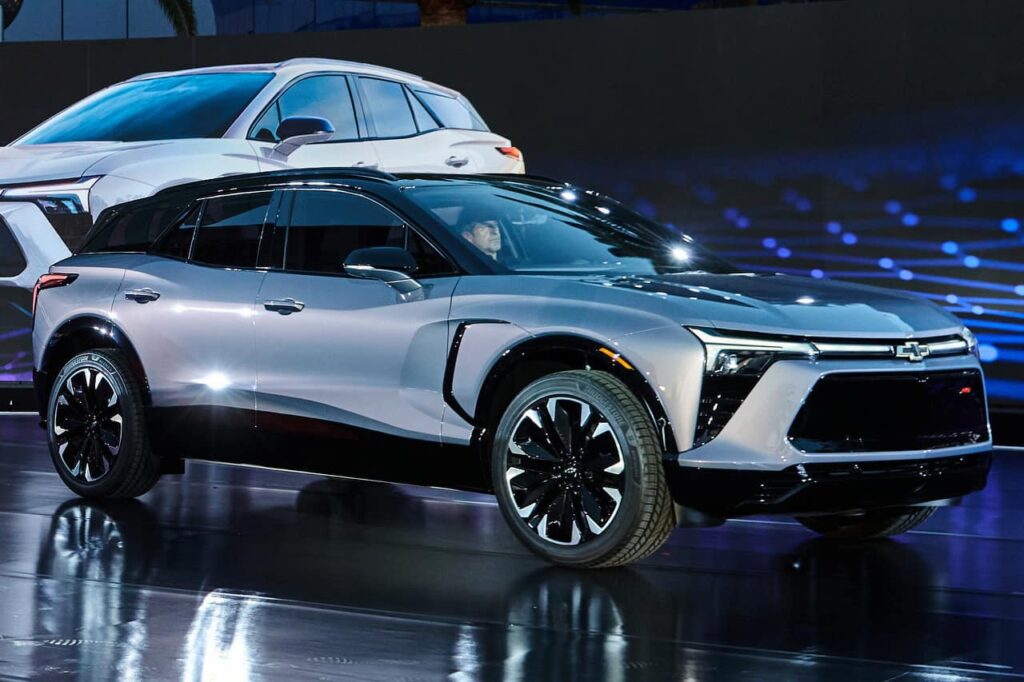
The landscape of electric vehicles (EVs) has evolved significantly since 2023, with advancements in technology, the emergence of new competitors, and shifts in market dynamics. These developments have propelled EVs to the forefront of automotive innovation, challenging traditional petrol-powered supercars in both performance and consumer appeal.
Last year we took a look at the performance side of Electric Vehicles where we uncovered the fastest cars of 2023 – comparing electric vehicles with their internal combustion petrol powered counterparts – you can read more about it here: https://www.budgetdirect.com.sg/blog/car-insurance/the-fastest-cars-in-2023-petrol-vs-electric
But what has 2024 done to the EV Market and has technology helped or hampered their progress?
Technological Advancements and New Entrants
In 2024, several manufacturers introduced high-performance electric supercars that set new benchmarks:
- Rimac Nevera R: This Croatian automaker unveiled the Nevera R, an enhanced version of its electric supercar. It boasts an acceleration from 0 to 60 mph in just 1.74 seconds and a top speed of 256 mph, powered by 2,107 horsepower. Only 40 units are being produced, each priced at $2.5 million.
- Aspark Owl: The Japanese hypercar set a new record for the fastest electric vehicle, reaching a speed of 272.61 mph. Limited to 50 units, the Owl is priced starting at £2.4 million.
- Yangwang U9: Developed by China’s BYD Auto, the U9 is equipped with four electric motors delivering a total power output of 960 kW. It accelerates from 0 to 100 km/h in 2.36 seconds and features advanced suspension systems that allow for unique capabilities, such as performing a brief vertical jump.
These innovations highlight the rapid progress in EV technology, with electric supercars now rivaling and even surpassing their petrol counterparts in terms of speed and performance.
Market Dynamics and Tesla’s Position
Tesla, once the unchallenged leader in the EV market, has faced increased competition and internal challenges:
- Sales Decline: In November 2024, Tesla’s sales in China decreased by 4.3% compared to the previous year, totaling 78,800 vehicles. In contrast, domestic competitor BYD saw a 67.2% increase, reaching 504,000 vehicles.
- Impact of Elon Musk’s Actions: CEO Elon Musk’s public behavior and political endorsements have polarized public opinion, potentially affecting consumer perceptions and sales. In Australia, despite record sales, Musk’s actions have divided opinions among consumers.
These factors suggest that while Tesla remains a significant player, its dominance is being challenged by emerging competitors and market perceptions influenced by its leadership.
The Future of EVs
The trajectory of EV development indicates a promising future:
- Performance Enhancements: Electric supercars are achieving unprecedented speeds and acceleration times, showcasing the potential of electric drivetrains.
- Diverse Offerings: Manufacturers are expanding their EV portfolios to include a range of models, from affordable compact cars to luxury SUVs and high-performance sports cars, catering to a broader consumer base.
- Sustainability Focus: The shift towards electrification is driven by environmental concerns, with governments and consumers increasingly prioritizing sustainable transportation solutions.
In conclusion, the EV market is experiencing rapid advancements and diversification. While traditional automakers and new entrants are pushing the boundaries of performance and technology, established players like Tesla must navigate competitive pressures and the impact of leadership dynamics on consumer perception. The future of electric vehicles appears dynamic and transformative, signaling a significant shift in the automotive industry.