
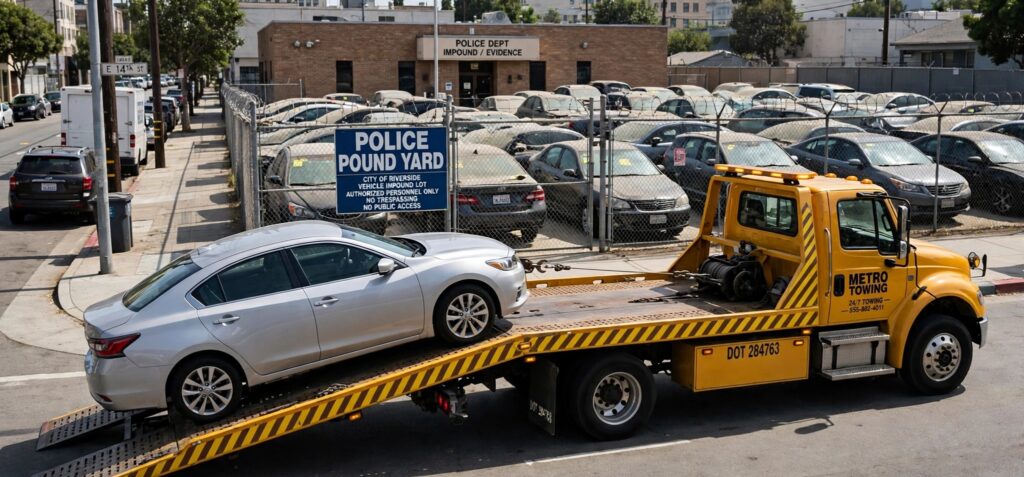
Unexpected vehicle recovery can be a stressful experience for any driver. A person may return to a parking space and discover that their car is missing, or they may receive information that their vehicle has been removed by the police. In such situations, confusion and worry are natural. However, understanding how vehicle recovery works can make the process much easier.
Police pounds are places where vehicles are kept after being removed by the authorities. Cars may be taken there for several reasons, including illegal parking, road safety concerns, traffic offences, or involvement in an investigation. Knowing what steps to take can help vehicle owners avoid unnecessary delays and additional expenses.
Why Do Police Remove Vehicles?
There are different reasons why the police may arrange for a vehicle to be removed. One common reason is parking in a restricted area or blocking access to an important road. Vehicles that create safety risks or cause traffic problems may also be taken away.
In some cases, a car may be removed because it has been involved in an accident or is connected to an ongoing police investigation. A vehicle without valid documents or one suspected of being used in an offence may also be held by the authorities.
Whatever the reason, the owner should first find out why the vehicle was removed. This information helps them understand which documents are needed and what steps must be completed before collection.
What Should a Driver Do After Finding Their Car Missing?
Finding an empty parking space where a car was left can be upsetting. However, it is important not to panic or immediately assume that the vehicle has been stolen.
The first step is to check whether the car may have been moved because of parking restrictions. Drivers can look for nearby signs or notices that explain local parking rules. They should then contact the relevant local authority or police service to confirm whether the vehicle has been taken to a pound.
Once the location is confirmed, the owner should ask about the reason for removal, the release requirements, and any charges that may apply.
Keeping a record of important information, such as reference numbers, contact details, and collection instructions, can also make communication easier.
Documents Usually Needed for Vehicle Collection
Before releasing a vehicle, the authorities generally require proof that the person collecting it is the rightful owner or has permission to act on the owner's behalf.
Although requirements can vary, some commonly requested documents include:
- A valid driving licence or another accepted form of identification.
- Vehicle registration documents, such as the V5C logbook.
- Proof of ownership or authorised use.
- Valid insurance documents, where required.
- Any release notice or reference number provided by the authorities.
It is always sensible to confirm the exact requirements before travelling to the pound. This can prevent an unnecessary journey and help ensure that the collection process goes smoothly.
Understanding Vehicle Recovery Charges
One of the biggest concerns for vehicle owners is the cost of recovering a car from a police pound. Charges can depend on the reason for removal, the type of vehicle, and how long it has been stored.
There may be a removal fee, a storage charge, and additional costs in certain circumstances. These expenses can increase if the vehicle remains at the pound for several days.
For this reason, drivers should contact the relevant pound as soon as possible. They should ask for a clear breakdown of the charges and check the accepted payment methods. Acting quickly can help reduce avoidable storage expenses.
Why Professional Recovery Services Can Be Helpful
Collecting a vehicle is not always as simple as visiting a pound and driving it away. Sometimes, the car may not be roadworthy, the owner may not have suitable transport, or the release process may feel confusing.
Professional recovery companies can help by providing suitable transport and practical guidance. They may also explain the general collection procedure and help customers understand what arrangements are needed.
For example, someone looking for information about perivale police pound recovery can explore relevant recovery support and understand the options available for dealing with a vehicle held in the Perivale area.
Using an experienced recovery provider can be particularly useful when a vehicle needs to be transported rather than driven away. However, drivers should always check the company's services, availability, and costs before making arrangements.
How Drivers Can Avoid Similar Problems
Although not every vehicle removal can be prevented, a few simple habits can reduce the chances of experiencing one.
Drivers should always read parking signs carefully and pay attention to temporary restrictions. They should avoid leaving vehicles in places that block entrances, emergency access points, or busy roads.
Keeping registration, insurance, and other important vehicle documents up to date is equally important. Regular vehicle maintenance can also reduce the risk of breakdowns and other road-related problems.
If a driver receives a warning or official notice, it is better to deal with it promptly rather than ignore it.
Final Thoughts
Having a vehicle taken to a police pound can be inconvenient, stressful, and sometimes expensive. However, the situation becomes easier to manage when the owner understands the process and knows what to do next.
Confirming the vehicle's location, checking the release requirements, preparing the correct documents, and asking about all relevant charges are important steps. Where necessary, professional recovery support can also make transportation easier.
With the right information and a calm approach, drivers can handle unexpected vehicle removal more confidently and get back on the road with fewer complications.