
So, you’re thinking about stepping into the beauty world? Cosmetology training might sound like scissors, makeup, and magic… but what’s it really like?
Cosmetology training is the foundation for anyone who wants to work in hair, skincare, makeup, or nails. Whether you dream of being a celebrity stylist or running your own salon, it starts with the same first step—training.
But here’s the twist: it’s not all glam. Sure, you’ll learn how to do a flawless balayage or a sharp fade, but you’ll also spend hours studying anatomy, safety rules, and business basics. Surprised?
Let’s walk through what it’s really like—step by step.
Inside the Classroom: What You Actually Learn
Walk into any beauty school, and you’ll hear two things: the hum of hairdryers and students asking, “Wait, we have a test today?”
Cosmetology training is usually split into two main parts:
Theory Work
This part covers:
- Hair and skin biology
- Sanitation laws
- Color theory
- Client communication
- State board exam prep
- And yes, there are quizzes. Lots of them.
Hands-On Practice
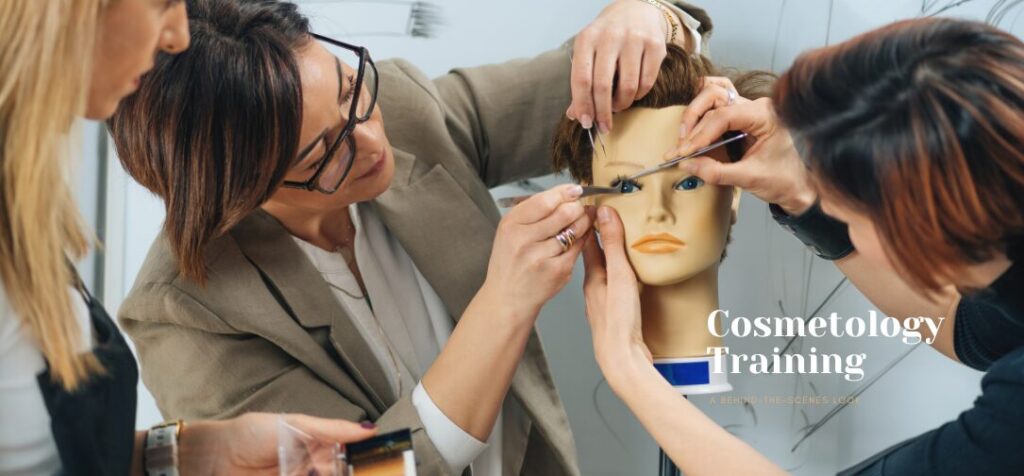
You’ll start working on mannequin heads—cutting, coloring, and styling. Then, after building confidence, you’ll move to real clients (often at a school salon).
It’s a wild feeling the first time a stranger trusts you with their haircut. Your hands shake. You triple-check every snip. And when they smile at the end? Feels like winning an award.
Real-World Practice: Beyond the Textbook
Here’s where things get interesting.
Once you’ve logged enough practice hours and passed the mid-point checks, you start working with actual paying clients under supervision. Think:
- Basic cuts
- Color treatments
- Blowouts
- Manicures
- Facials
Mistakes happen. I once gave someone highlights that turned…green. But it taught me more than any textbook ever could. You learn to stay calm, ask for help, and fix it fast.
Many schools also offer externships or work with local salons for real-world experience. This part’s golden. You see how professionals deal with difficult customers, schedule tight appointments, and still smile all day.
Tools, Time, and Costs: What to Expect
Before you start, know this: cosmetology training is an investment. It takes time, tools, and some cash.
What You’ll Need in Your Kit:
- Shears and clippers
- Blow dryer and flat iron
- Mannequin heads
- Brushes and combs
- Nail and skincare tools
Schools usually provide a full kit. Some let you bring your own.
How Long It Takes:
- Most programs require 1000 to 1600 hours
- Can take 9 months to 2 years, depending on full-time or part-time
What It Costs:
- Tuition: $5,000 – $20,000 (varies by location)
- Books and kit: Usually included or about $1,500 extra
- Licensing exam fee: Around $100
Here’s something many students overlook: liability insurance. Even as a student or a new grad, having cosmetology insurance protects you while working with real clients. Accidents happen—burns, allergic reactions, tools slipping. Coverage helps keep you safe, especially during hands-on training and as you start taking paying clients.
Some states or schools may even require proof of insurance before you can start practical work. So, it’s smart to get ahead of it.
Licensing and Career Paths After Training
You passed your exams. You’ve got the certificate. Now what?
Next Step: Get Licensed Every state requires you to pass a licensing exam. It usually includes:
- A written test
- A practical skills demo
You’ve been prepping for this since day one. Most students pass on the first try.
Career Paths Include:
- Hair stylist or barber
- Nail technician
- Esthetician (skin care specialist)
- Makeup artist
- Salon owner or manager
- Beauty educator
Some even work on cruise ships or film sets. The beauty industry’s huge.
Challenges and Surprises in Cosmetology Training
Cosmetology training isn’t just fun and glitter.
Here’s what often catches students off guard:
- Physical Tiredness
You’re standing all day. Your back aches. Your feet scream. You learn to wear comfy shoes fast. - Emotional Work
Clients vent. They cry. They share secrets. You’re part stylist, part therapist. - Lots of Studying
Anatomy? Bacteria types? It’s not all lipstick and liners.
But the biggest surprise? How quickly you bond with classmates. You cheer each other on. You share clients. You cry during finals. It’s like a second family.
Conclusion
So, what does cosmetology training really look like?
It’s a mix of color wheels and chemistry. Of long days on your feet and big wins in front of the mirror. It’s real people, real stories, and real transformations.
You’ll cry. You’ll laugh. You’ll mess up. You’ll grow.
If beauty runs in your veins, and you’ve got patience and passion? Cosmetology training just might be your perfect fit.
And when your first client says, “I love it”—you’ll know it was all worth it.