
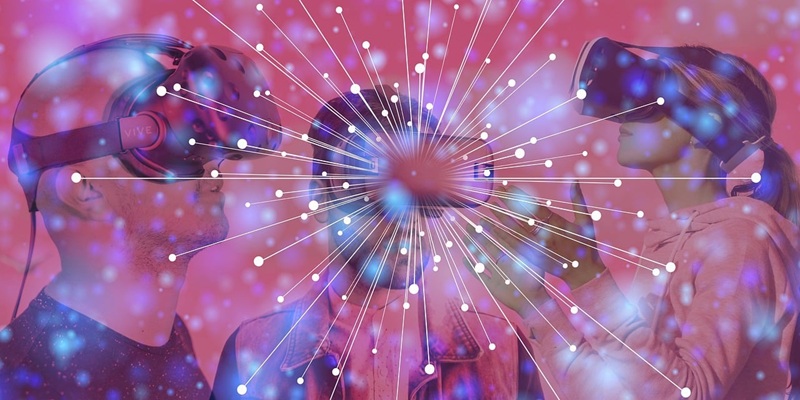
The world of technology is evolving at an unprecedented pace, and one of the most exciting developments in recent years is virtual reality (VR). VR has transformed from a sci-fi fantasy into a tangible, immersive experience that is reshaping industries. From gaming and education to healthcare and real estate, VR is opening doors to limitless possibilities.
But what exactly makes VR such a groundbreaking innovation? How is it changing the way we interact with digital content? And what does the future hold for this immersive technology?.
What Is Virtual Reality?
Virtual reality is a computer-generated simulation that immerses users in a three-dimensional environment. Unlike traditional screens, VR uses headsets and motion-tracking sensors to create a sense of presence, making users feel like they are inside a digital world.
Key Components of VR
- Head-Mounted Display (HMD): Devices like the Oculus Rift, HTC Vive, and PlayStation VR provide high-resolution visuals.
- Motion Tracking: Sensors detect head and hand movements, allowing users to interact naturally.
- Controllers & Haptic Feedback: Specialized gloves or controllers enhance realism by simulating touch.
- Spatial Audio: 3D sound effects make the experience more lifelike.
With these elements, VR creates an unparalleled level of immersion, making it more than just entertainment—it’s a tool for innovation.
The Rise of VR in Various Industries
Virtual reality is no longer limited to gaming. Its applications span multiple sectors, revolutionizing how we work, learn, and entertain ourselves.
Gaming & Entertainment
The gaming industry was one of the first to adopt VR, offering players unprecedented immersion. Titles like Half-Life: Alyx and Beat Saber showcase how VR can redefine interactive entertainment. Beyond gaming, VR is also transforming movies and virtual concerts, allowing users to experience events as if they were physically present.
Education & Training
VR is making learning more engaging. Medical students can practice surgeries, pilots can simulate flights, and history students can explore ancient civilizations—all in a risk-free environment. Companies like Google Expeditions are already bringing VR classrooms to life.
Healthcare & Therapy
From pain management to mental health treatment, VR is proving to be a powerful tool. Therapists use VR to treat PTSD, anxiety, and phobias through controlled exposure therapy. Surgeons also use VR simulations to plan complex procedures before operating.
Real Estate & Architecture
Buyers can now tour homes virtually without leaving their couch. Architects use VR to visualize building designs in 3D, making it easier to spot flaws before construction begins.
Remote Work & Collaboration
With the rise of remote work, VR meetings are becoming a reality. Platforms like Meta Horizon Workrooms allow teams to collaborate in virtual offices, making distance irrelevant.
Challenges Facing Virtual Reality
- Despite its potential, VR still faces hurdles that must be overcome for mass adoption.
- High Costs: Premium VR headsets and powerful PCs are expensive, limiting accessibility for average consumers.
- Motion Sickness: Some users experience dizziness and nausea due to latency between movements and visual feedback.
- Limited Content: While VR games and apps are growing, the library is still small compared to traditional platforms.
- Social Acceptance: Many people remain skeptical about VR’s long-term impact on social interactions and mental health.
However, as technology advances, these challenges are gradually being addressed.
The Prospect of Virtual Reality
The future of VR is incredibly promising. Here’s what we can expect in the coming years:
Wireless & Standalone VR
- Devices like the Meta Quest 3 are eliminating the need for external hardware, making VR more portable.
- Augmented Reality (AR) & Mixed Reality (MR) Integration
- Combining VR with AR will create hybrid experiences, blending digital and physical worlds seamlessly.
Hyper-Realistic Graphics
Advancements in AI and GPU technology will make VR environments nearly indistinguishable from reality.
Expanded Social VR Platforms
Virtual hangouts, concerts, and workspaces will become mainstream, redefining social connectivity.
Healthcare Breakthroughs
VR could play a key role in telemedicine, rehabilitation, and even remote surgeries.
Final Thoughts
Virtual reality is more than just a technological trend—it’s a new frontier that is reshaping how we experience the world. Whether it’s gaming, education, or healthcare, VR is proving to be a game-changer. While challenges remain, the rapid advancements in VR technology suggest a future where immersive digital experiences are part of everyday life. As hardware becomes more affordable and content more diverse, VR will undoubtedly become a staple in homes and industries worldwide.