
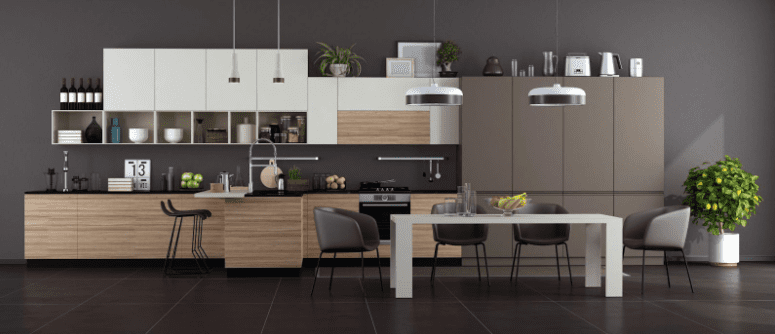
In our modern lives, home appliances play a significant role in providing convenience and comfort. However, it’s essential to be mindful of their energy consumption, as some appliances can be major contributors to high energy bills and environmental impact. In this blog post, we will delve into the world of home appliances and uncover the ones that consume the most energy. By understanding these energy-guzzlers, we can make informed choices and adopt best practices for efficient energy consumption. These issues and others are covered in more detail at compare green.
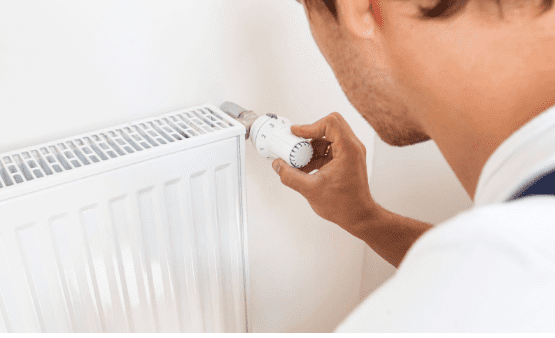
- Heating and Cooling Systems: Heating and cooling systems, such as air conditioners and furnaces, are notorious for their high energy consumption. In extreme weather conditions, these appliances work tirelessly to maintain comfortable indoor temperatures, resulting in increased energy usage. We’ll explore tips to optimise their efficiency and reduce energy waste.
Tips:
- Regular Maintenance: Schedule annual maintenance for your heating and cooling systems to ensure they are clean, well-tuned, and operating efficiently
- Programmable Thermostat: This allows you to reduce energy consumption when you’re away from home or sleeping while ensuring comfort when you’re present.
- Temperature Settings: Adjust the thermostat settings to energy-saving temperatures. Lowering the thermostat by a few degrees in winter and raising it in summer can have a significant impact on energy usage
- Weatherstripping and Insulation: Properly insulate your home to prevent heat loss in winter and heat gain in summer. Seal air leaks around windows, doors, and ducts using weatherstripping and caulking.
- Ventilation: Ensure proper ventilation in your home to maintain fresh indoor air quality. Clean air vents and registers regularly, remove any obstructions, and consider installing energy recovery ventilators (ERVs) or heat recovery ventilators (HRVs) for efficient air exchange.
- Zoning Systems: If possible, consider installing zoning systems that allow you to control heating and cooling in different areas of your home independently.
- Curtains and Shades: Use curtains, blinds, or shades to block out sunlight during hot summer days and retain heat during colder months.
- Smart HVAC Controls: Explore smart thermostat options that allow you to control and monitor your heating and cooling remotely. Some systems even use artificial intelligence to learn your preferences and adjust settings automatically for optimal energy efficiency.
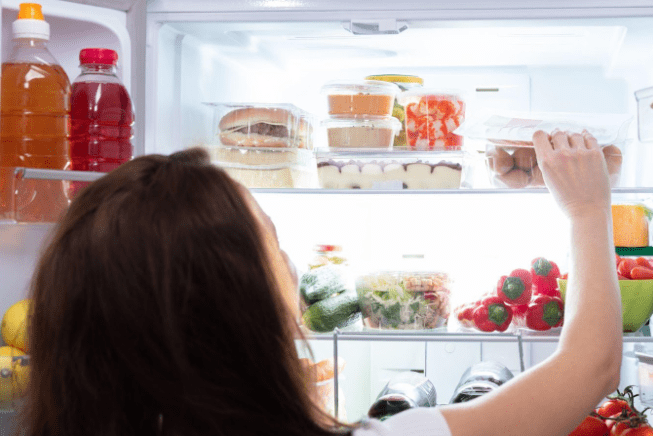
- Refrigerators and Freezers: Refrigerators and freezers are vital appliances in every home, and they operate 24/7 to maintain a consistent temperature and keep our food fresh. Unlike other appliances that we use intermittently, refrigeration units are always running, making them continuous energy consumers. How to use them efficiently could be a wiser question, so lets look at some top tips.
Tips:
- Choose an Energy-Efficient Model: When purchasing a new refrigerator or freezer, look for models with high energy efficiency ratings. Energy Star-certified appliances are a good choice as they meet strict energy efficiency standards and can help reduce your energy consumption.
- Right Size and Capacity: Select a refrigerator and freezer that suits your needs in terms of size and capacity.
- Optimal Temperature Settings: Set the refrigerator temperature between 37°F (3°C) and 40°F (5°C) and the freezer temperature between 0°F (-18°C) and 5°F (-15°C).
- Proper Placement: Place your refrigerator and freezer away from heat sources such as direct sunlight, ovens, or dishwashers. Heat can make the appliance work harder to maintain the desired temperature, leading to increased energy consumption.
- Allow Air Circulation: Provide adequate space around the refrigerator and freezer for proper air circulation.
- Avoid Overfilling: Overloading the refrigerator and freezer can restrict proper airflow and cause the appliance to work harder
- Energy-Saving Features: Take advantage of energy-saving features if available in your refrigerator or freezer.
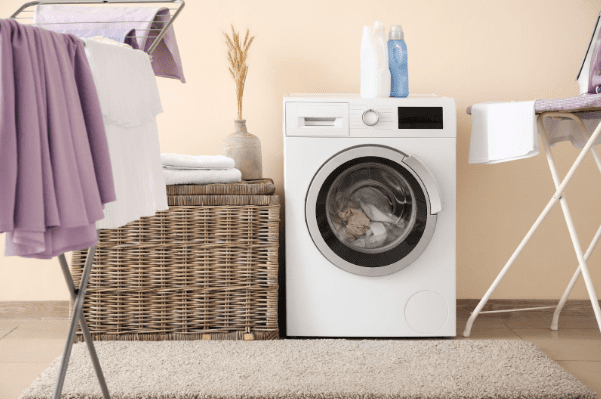
- Washing Machines and Dryers: Laundry appliances, particularly older models, can consume a considerable amount of energy, especially when used frequently. We’ll explore the energy usage differences between top-loading and front-loading washing machines, as well as tips to optimise their efficiency. Additionally, we’ll discuss alternative drying methods and highlight energy-saving features in dryers.
Tips:
- Choose Energy-Efficient Models: When purchasing a new washing machine or dryer, look for models with high energy efficiency ratings.
- Use Cold Water for Washing: The majority of the energy consumed by washing machines goes towards heating the water. Whenever possible, wash your laundry using cold water.
- Wash Full Loads: Maximize the energy efficiency of your washing machine by washing full loads. Running multiple small loads consumes more energy and water compared to fewer full loads.
- Opt for High Spin Speeds: Washing machines with high spin speeds extract more water from the clothes, reducing the drying time required.
- Air Dry Whenever Possible: Take advantage of natural air drying by hanging your clothes outside or using indoor drying racks.
- Clean the Lint Filter: Regularly clean the lint filter in your dryer to maintain proper airflow. A clogged filter restricts the dryer’s efficiency, resulting in longer drying times and increased energy usage.
- Use Moisture Sensors: If your dryer has a moisture sensor option, make sure to utilize it. Moisture sensors detect when the clothes are dry and automatically shut off the dryer, preventing unnecessary energy consumption.
- Clean the Dryer Vent: Regularly clean the dryer vent and exhaust duct to ensure proper airflow.
- Consider Air-Condensing Dryers: Air-condensing dryers use air to dry clothes instead of relying on heat. These dryers can be more energy-efficient than traditional vented dryers as they recycle and reuse the hot air.
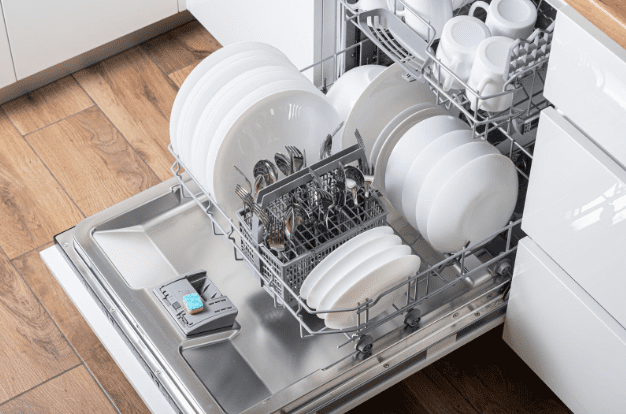
- Dishwashers: Dishwashers have become an essential appliance in many households, saving time and effort when it comes to cleaning dishes. However, they can also consume a significant amount of energy and water. Here are some tips to help you reduce energy consumption and make your dishwasher more energy-efficient.
Tips:
- Load the Dishwasher Efficiently: Properly load the dishwasher to maximize its capacity.
- Scrape, Don’t Rinse: Pre-rinsing dishes is not necessary for most modern dishwashers. Instead of rinsing dishes under running water, simply scrape off excess food particles into the trash or compost. This helps conserve water and reduces the workload of the dishwasher.
- Use the Energy-Saving Mode: Many dishwashers come with an energy-saving or eco-friendly mode. This mode reduces water temperature and cycle duration, saving both energy and water.
- Select the Right Wash Cycle: Dishwashers offer various wash cycles tailored to different needs. Choose the appropriate cycle for your load
- Lower the Water Temperature: Lowering the water temperature can significantly reduce energy consumption. Generally, a temperature of 120°F (49°C) is sufficient for effective cleaning.
- Air Dry or Use the Eco-Dry Setting: Open the dishwasher door at the end of the cycle and allow the dishes to air dry naturally. If your dishwasher has an eco-dry or air-dry setting, use that instead of the heat-drying option.
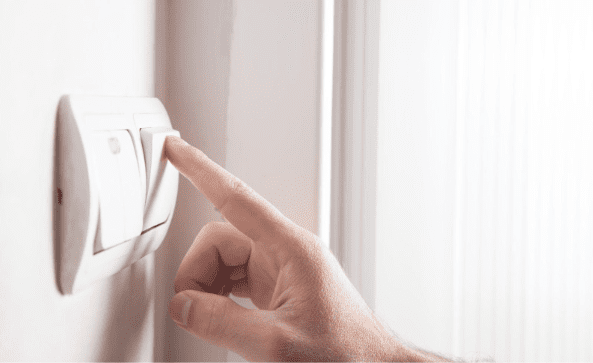
- Lighting: Though individual light fixtures may not consume a significant amount of energy, their collective usage adds up. We’ll compare different types of light bulbs, such as incandescent, LED, and CFL, in terms of energy consumption and lifespan. Furthermore, we’ll provide tips on utilizing natural light, installing dimmer switches, and utilizing motion sensors to optimize lighting efficiency.
Tips:
- By switching to energy-efficient light bulbs such as LEDs or CFLs, using natural light whenever possible, and employing smart lighting controls, you can significantly reduce energy consumption.
- Utilize Natural Light: Take advantage of natural light during the day by opening curtains, blinds, or shades. Make the most of sunlight to reduce the need for artificial lighting.
- Install Dimmer Switches: Dimmer switches allow you to adjust the brightness of your lights according to your needs. This not only creates ambience but also helps save energy. Lowering the brightness of the lights reduces energy consumption.
- Choose the Right Light Output: Consider the brightness or light output of the bulbs you choose. Use lower-wattage LED bulbs for areas where bright lighting is not required.
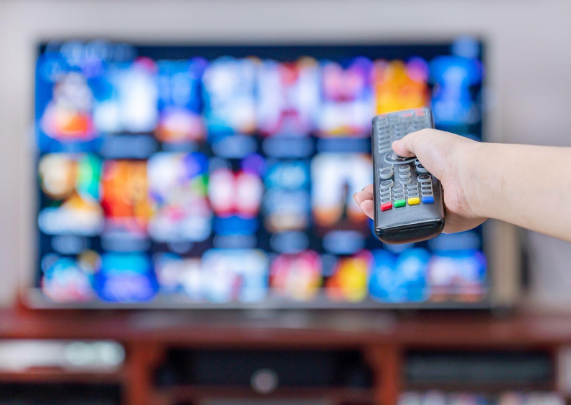
- Entertainment Systems: Home entertainment systems, including televisions, gaming consoles, and audio equipment, can consume substantial energy, especially if left on standby mode. We’ll discuss smart power management practices, such as using power strips, unplugging idle devices, and enabling energy-saving features.
Tips:
- Choose Energy-Efficient Electronics: When purchasing new electronics, look for energy-efficient models.
- Enable Power Management Features: Most electronics, including computers, televisions, and game consoles, have power management features that allow you to adjust their energy consumption.
- Unplug Idle Devices: Many electronics continue to consume energy even when they are turned off but remain plugged in. This is known as “standby power” or “vampire power.” Unplug idle devices or use power strips with an on/off switch to easily cut off power to multiple devices at once.
- Adjust Brightness and Contrast: Lower the brightness and contrast settings on your television, computer monitor, and other display devices. Higher brightness levels require more energy.
- Cooking Appliances: While cooking appliances like stoves and ovens are essential, their energy consumption can vary depending on the cooking method used. We’ll explore energy-efficient cooking practices, such as using the right-sized pots and pans, utilizing residual heat, and making the most of microwave ovens and induction cooktops.

Tips:
- Choose the Right Appliance: Consider the energy efficiency of different cooking appliances before purchasing. Induction cooktops are generally more energy-efficient than electric or gas cooktops. Energy-efficient models will have a high Energy Star rating.
- Match Pot Size to Burner Size: When using stovetops, ensure that the size of the pot or pan matches the size of the burner
- Use Lids While Cooking: Covering pots and pans with lids traps the heat inside and allows food to cook faster.
- Optimize Oven Use: If you’re using the oven, try to cook multiple dishes at once to maximize energy efficiency. The oven retains heat, so cooking more than one dish at a time allows you to make the most of that heat
- Use Convection Mode: If your oven has a convection setting, utilize it. Convection ovens circulate hot air, allowing for faster and more even cooking
- Clean and Maintain Appliances: Regularly clean your cooking appliances to ensure they operate efficiently.
Conclusion:
Being aware of the home appliances that consume the most energy is the first step towards making energy-conscious choices. By implementing energy-efficient practices, upgrading to energy-saving models, and adopting smart energy management habits, we can significantly reduce our energy consumption, lower our utility bills, and contribute to a greener future. Remember, making informed decisions about energy usage not only benefits our wallets but also helps preserve the environment for future generations.