
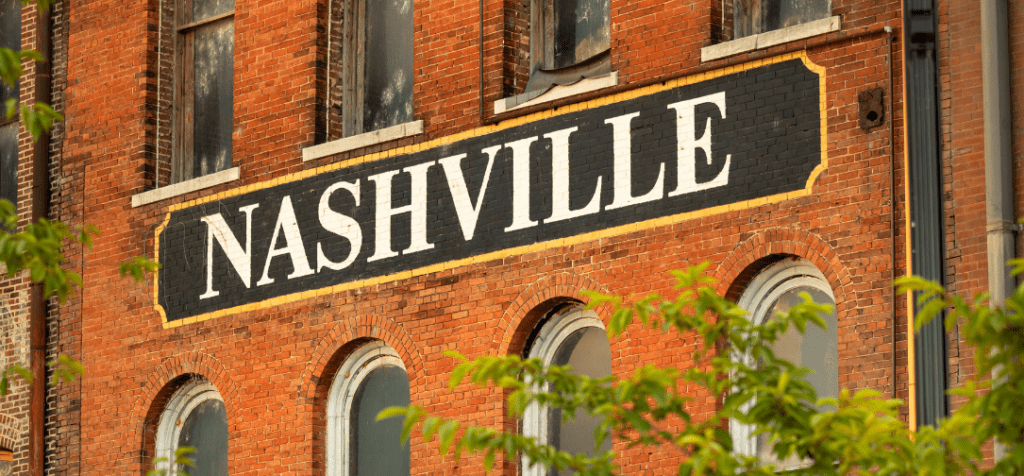
Nashville’s charm is partly rooted in its rich history, which is evident in the city’s aging infrastructure. However, with historical charm comes potential hazards, especially those not immediately visible to the public and residents alike. Addressing these unseen dangers is crucial for ensuring the safety of everyone in the city. As infrastructure ages, the risks of accidents due to deteriorating conditions increase, raising concerns about personal safety and liability.
Consulting with Nashville, TN, experts in personal injury law is vital for those who find themselves affected by these hazards. These legal professionals specialize in identifying liability and navigating claims related to injuries from infrastructure failures, helping victims receive the compensation they deserve.
Deteriorating Water and Sewer Lines
Nashville’s water and sewer systems, some decades old, pose significant risks due to their potential for failure. Aging pipes can lead to breaks, resulting in floods or even contaminating the water supply. These incidents not only cause immediate public health emergencies but can also lead to long-term health issues for the city’s residents.
City planners and engineers must prioritize updating these essential systems. Proactive measures, including regular inspections and replacing the oldest infrastructure segments, can prevent catastrophic failures. Residents should also be informed about what to do in case of water-related emergencies, enhancing community resilience against these risks.
Electrical System Failures
As with any major city, Nashville relies on a complex network of electrical systems to power homes, businesses, and streetlights. Aging electrical infrastructure can lead to power outages, surges, and even dangerous situations like fires. These issues cause inconvenience and pose serious safety risks, especially in densely populated urban areas.
Preventative maintenance and modernization of electrical grids are necessary to reduce these risks. Regular checks and upgrades to the system can ensure reliability and safety. Public awareness campaigns about safely responding to electrical hazards can further protect the community.
The Hidden Risks of Old Buildings
Nashville’s historic buildings add charm and character to the city but often come with hidden risks that can pose serious hazards. Materials like asbestos and lead, commonly used in older constructions, can present health risks, while structural instabilities may jeopardize physical safety. These issues are compounded by the fact that such buildings might not meet current safety standards, making them vulnerable to incidents whose signs only become apparent after an accident.
It is crucial for property owners and local authorities to proactively manage these risks to prevent potential disasters. Assessing the safety of these structures is the first step, which can identify critical areas needing attention. This process often leads to necessary renovations or updates that align old buildings with modern safety standards, ensuring they are safe for occupants and visitors.
Regular inspections are essential to maintaining compliance and ongoing safety in these historic buildings. These checks help ensure that any newly emerging risks are identified and mitigated in a timely manner. By maintaining rigorous safety protocols, Nashville can preserve its historical architecture while ensuring that these treasured buildings do not become liabilities.
Compromised Road and Bridge Safety
Many of Nashville’s roads and bridges show signs of wear and tear that, if not addressed, could lead to dangerous driving conditions. Issues such as potholes, weakened bridge structures, and eroded road markings can lead to traffic accidents and injuries.
Enhanced funding and strategic planning are essential for the maintenance and repair of these critical infrastructures. Regular audits and repairs can help mitigate these risks while informing the public about potential dangers, and planned improvements can enhance road safety awareness among drivers.
Challenges in Public Transit Systems
Nashville’s public transit systems face multiple challenges due to aging infrastructure, impacting both efficiency and safety. Here’s a detailed look at these issues and some strategies for improvement:
- Frequent Delays and Malfunctions: As the components of buses and trains age, incidents of delays and malfunctions increase, disrupting daily commutes and potentially leading to unsafe conditions. Regular wear and tear can compromise the reliability of transit vehicles, affecting their performance and safety.
- Risk of Accidents: The aging infrastructure not only causes operational inefficiencies but also heightens the risk of accidents. Components failing while in operation can lead to serious safety breaches, endangering passengers and others.
- Modernization Needs: Investing in the modernization of public transit systems is crucial. Upgrading aging fleets, incorporating newer technology, and renovating old tracks and stations can significantly reduce the occurrence of malfunctions and delays.
- Increased Maintenance Checks: Boosting the frequency and thoroughness of maintenance checks ensures that potential issues are identified and addressed before they lead to failures. Regular maintenance is key to extending the life of transit infrastructure and keeping it safe for public use.
- Public Education on Safety Practices: During transit disruptions or emergencies, well-informed passengers are safer passengers. Implementing public education campaigns that teach safety practices can help prevent panic and accidents during unexpected transit disruptions.
Addressing Sidewalk and Public Space Maintenance
Sidewalks and other public spaces in Nashville can deteriorate over time, creating hazards such as uneven surfaces and obstacles that increase the risk of slips, trips, and falls. These accidents can cause serious injuries and pose particular risks to children, the elderly, and people with disabilities.
City officials need to prioritize the maintenance of these public spaces to ensure they are safe for all residents and visitors. This includes regular inspections, immediate repairs of known hazards, and accessible design upgrades to accommodate all users safely.
Proactive Measures for a Safer Nashville
Addressing the unseen dangers within Nashville’s aging infrastructure requires a concerted effort from city officials, property owners, and the community. By recognizing and responding proactively to the infrastructure challenges, Nashville can ensure a safer environment for all its residents and visitors. This not only helps in preventing potential injuries but also preserves the historical integrity of the city.
For those impacted by infrastructure-related injuries, it is crucial to seek expert legal guidance to navigate the complexities of personal injury claims. By partnering with skilled personal injury lawyers, victims can effectively advocate for their rights and secure necessary compensation, reinforcing the importance of safety and accountability in maintaining Nashville’s infrastructure.