
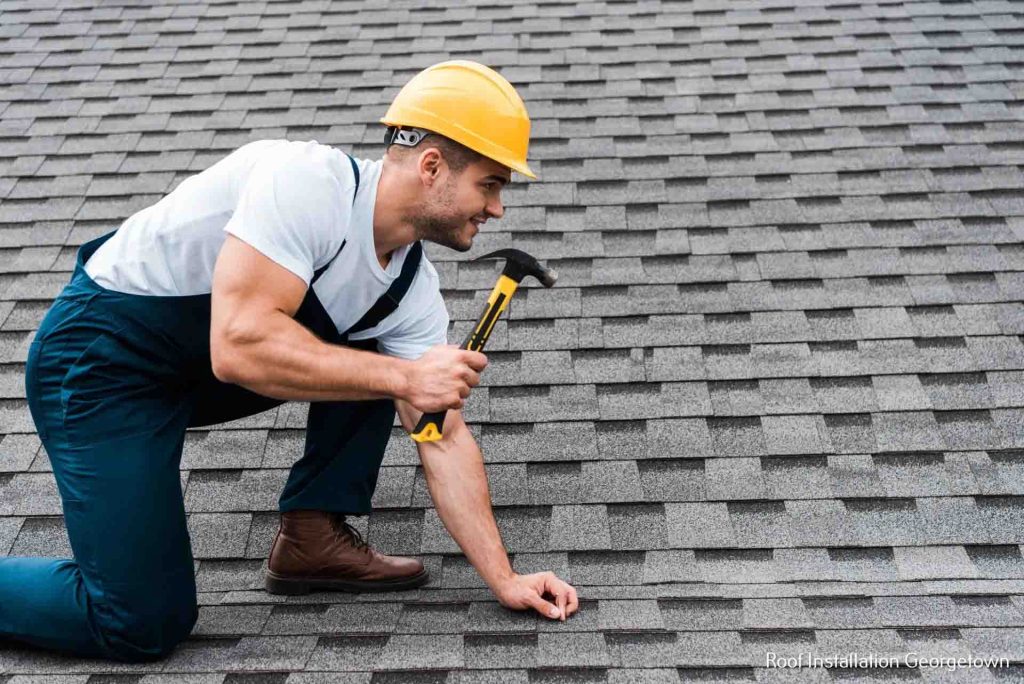
A home is only as secure as the roof over it. Over time, even the most well-built roofs will start to show signs of wear and tear. Whether it’s due to age, weather conditions, or poor installation, every homeowner eventually faces a crucial decision: repair or replace? This article delves deep into the topic of roof replacement, shedding light on when it’s necessary, what the process entails, and how to make the best choice for your home.
Why Roofs Deteriorate Over Time
Roofs are designed to protect your property from environmental elements—rain, snow, wind, UV rays, and extreme temperatures. However, constant exposure to these elements can take a toll, leading to deterioration. Here are some common reasons roofs begin to fail:
- Age of the Roof: Most roofing materials have a lifespan. For example, asphalt shingles may last 20–30 years, while metal or slate can last much longer. If your roof is nearing the end of its expected life, it may be time for a roof replacement.
- Weather Damage: Hail storms, heavy winds, or prolonged snow can cause significant damage. Even if the damage isn’t immediately visible, small issues can evolve into larger problems over time.
- Poor Ventilation: A roof that isn’t properly ventilated can lead to moisture buildup, causing mold, rot, and a weakening of the structural components underneath.
- Improper Installation: If a roof wasn’t installed correctly to begin with, it could lead to leaks, reduced energy efficiency, and a shortened lifespan.
Understanding the root cause of roofing issues can help you determine whether a simple repair is enough or if a full replacement is warranted.
Signs You May Need a Roof Replacement
Identifying the early warning signs of roof failure can save you money and prevent further damage to your property. Here are key indicators that may signal the need for a full roof replacement:
- Leaks and Water Damage: If you notice water stains on ceilings or walls, it could mean your roof is failing. Leaks can compromise the structural integrity of your home.
- Missing or Damaged Shingles: A few missing shingles can often be replaced. However, if large areas are affected or if shingles are curling and losing granules, a full replacement may be more cost-effective.
- Sagging Roof Deck: This is a serious structural issue that could indicate water damage or rot in the underlying materials.
- Mold or Algae Growth: While this may seem cosmetic, mold and algae growth can deteriorate roofing materials and signal underlying moisture issues.
- Rising Energy Bills: An inefficient roof can lead to poor insulation, causing your heating and cooling systems to work harder than necessary.
The Roof Replacement Process
Replacing a roof is a significant investment and involves multiple steps. Understanding the process can help you prepare mentally, financially, and logistically. Here’s what typically happens during a roof replacement:
1. Initial Inspection and Assessment
A professional roofer will begin with a comprehensive inspection to determine the condition of your current roof. They’ll look for damage, assess the age of materials, and inspect attic ventilation and insulation.
2. Selecting Roofing Materials
You’ll have the opportunity to choose the type of roofing material you want. Options include:
- Asphalt shingles – cost-effective and popular
- Metal roofing – durable and long-lasting
- Clay or concrete tiles – aesthetic but heavy
- Slate roofing – luxurious and extremely durable
- Wood shakes – natural appearance, but requires maintenance
Each material has its pros and cons in terms of cost, durability, aesthetics, and energy efficiency.
3. Cost Estimation and Contract Signing
After deciding on materials, you’ll receive an estimate covering materials, labor, removal of the old roof, and disposal costs. Once agreed upon, a contract is signed, outlining the scope of work, timeline, payment structure, and warranties.
4. Removing the Old Roof
This step involves stripping off the existing roofing material. The decking underneath is inspected for damage. If any wood is rotting or weak, it will be replaced to ensure a solid foundation for the new roofing system.
5. Installation of New Roof
Underlayment (such as synthetic felt) is laid down to act as a water barrier, followed by the roofing material you selected. Flashing, drip edges, and ventilation systems are also installed or upgraded.
6. Clean-Up and Final Inspection
Once the new roof is in place, debris is removed, and the site is cleaned. A final inspection ensures everything is installed correctly and meets quality standards.
Benefits of a Roof Replacement
Though it’s a large investment, replacing your roof offers numerous long-term benefits:
- Increased Property Value: A new roof boosts curb appeal and increases resale value, making it a solid investment if you plan to sell.
- Energy Efficiency: Modern roofing systems and materials offer better insulation, reducing energy bills and making your home more eco-friendly.
- Enhanced Safety: A strong, weather-resistant roof protects your family and possessions from the elements.
- Warranty Coverage: New roofs often come with manufacturer and workmanship warranties, offering peace of mind.
- Reduced Maintenance Costs: Instead of recurring repair bills, a new roof significantly lowers the risk of future issues.
Choosing the Right Roofing Contractor
The success of any roofing project largely depends on the contractor you choose. Here are tips to find a reputable professional:
- Check Credentials: Make sure the contractor is licensed, insured, and bonded.
- Read Reviews and Ask for References: Previous customer experiences can offer valuable insights.
- Look for Manufacturer Certifications: Some contractors are certified by roofing material manufacturers, which can qualify you for better warranties.
- Get Multiple Quotes: Don’t settle on the first estimate. Compare pricing and offerings from several companies.
- Ask About Cleanup and Waste Removal: Make sure this is included in the contract to avoid unexpected costs.
How to Extend the Life of Your New Roof
Once your new roof is installed, proactive care can ensure it lasts as long as possible. Here’s how to maintain it:
- Regular Inspections: Have your roof inspected at least once a year and after major storms.
- Gutter Maintenance: Keep gutters clean to prevent water from backing up and damaging the roof edges.
- Trim Overhanging Branches: Falling limbs or excess shade can promote moisture retention and mold growth.
- Address Minor Issues Quickly: Don’t delay fixing small leaks or damaged shingles—these can lead to bigger problems.
Common Myths About Roof Replacement
Let’s dispel some common misconceptions:
- “If There’s No Leak, It’s Fine” – Leaks are often the last sign of roof failure. Other damage can be occurring underneath long before water enters your home.
- “New Roofs Don’t Need Maintenance” – Even new roofs require periodic checks to maintain their longevity and warranty.
- “All Roofing Contractors Are the Same” – Experience, certifications, and materials used can differ greatly among professionals. Always vet your contractor.
- “Roof Replacement Takes Weeks” – Most residential roofs can be replaced in a matter of days, depending on size and weather conditions.
Final Thoughts
A well-maintained roof is essential for protecting your home and everything inside it. While the cost of a roof replacement can seem daunting, the long-term benefits—improved energy efficiency, safety, and property value—far outweigh the initial expense. Understanding when a replacement is necessary, knowing what the process involves, and choosing the right materials and contractor can turn a complex project into a smart investment.
If your roof is showing signs of aging or damage, don’t wait until problems escalate. A proactive approach to roof replacement ensures your home remains a safe and comfortable haven for years to come.