
Introduction
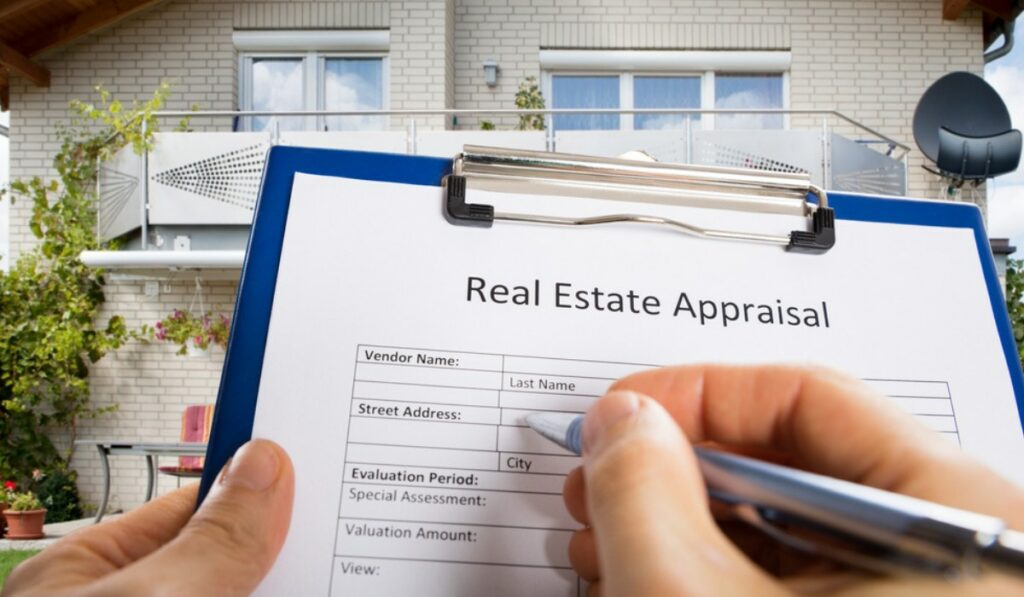
Real estate appraisals are a fundamental aspect of the property market, providing valuable insights into property values. Whether you are buying, selling, or investing in real estate, having a comprehensive understanding of the art and science behind real estate appraisals is essential. This article aims to shed light on the significance of appraisals, the process involved, and their impact on the property market.
1. What are Real Estate Appraisals?
Real estate appraisals are professional evaluations of a property’s value conducted by licensed appraisers. These assessments provide unbiased and objective estimates of a property’s market worth, considering various factors like location, size, condition, and recent comparable sales.
2. The Importance of Real Estate Appraisals
Accurate appraisals hold immense importance in the real estate market for several reasons:
- Informed Decision Making: Appraisals aid buyers, sellers, and investors in making well-informed decisions regarding property transactions.
- Fair Market Value: They establish the fair market value of a property, crucial for setting appropriate listing prices and making reasonable offers.
- Lending and Mortgage Approval: Lenders use appraisals to assess the property’s value and determine loan amounts for mortgage approval.
- Investment Strategy: Investors rely on appraisals to assess potential real estate investments and minimize financial risks.
- Taxation and Property Assessment: Governments utilize appraisals to determine property taxes and ensure fair tax assessments.
3. The Real Estate Appraisal Process
The process of conducting a real estate appraisal involves several key steps:
Step 1: Property Inspection Appraisers visit the property to conduct a thorough inspection, considering factors like size, condition, layout, and any unique features that may influence its value.
Step 2: Data Collection Appraisers gather relevant data on recent comparable property sales in the area, market trends, and economic indicators that could affect the property’s value.
Step 3: Data Analysis and Valuation Methods Analyzing the collected data, appraisers employ various valuation methods to arrive at a reliable estimate of the property’s value.
Step 4: Preparation of Appraisal Report Appraisers compile their findings into a comprehensive appraisal report, detailing the property’s value and the rationale behind the valuation.
4. Factors Affecting Property Value
Numerous factors influence the value of a property, including:
- Location: Proximity to essential amenities, schools, transportation hubs, and neighborhood desirability significantly impact property values.
- Property Size and Condition: Larger and well-maintained properties generally command higher values.
- Comparable Sales: Recent sales prices of similar properties in the area serve as reference points for determining value.
- Economic Conditions: The state of the economy and local real estate market conditions can affect property values.
- Development and Infrastructure: The presence of new developments and infrastructure projects can positively influence property values.
5. The Balance of Art and Science in Valuation
Real estate appraisals combine both art and science. While data-driven analysis is vital, an appraiser’s experience and expertise come into play during the interpretation of data and making adjustments for unique property characteristics.
6. Common Appraisal Methods
Appraisers use several methods to determine property value, including:
- Sales Comparison Approach: Compares the property to recent sales of similar properties in the area.
- Income Approach: Analyzes the property’s potential income and value as an investment.
- Cost Approach: Estimates the property’s value based on the cost to rebuild it minus depreciation.
7. Ensuring Accuracy and Its Impact on the Property Market
Accurate appraisals are essential for a well-functioning property market. Overvalued properties can lead to inflated prices and potential financial risks, while undervalued properties may discourage potential sellers.
8. Conclusion
In conclusion, real estate appraisals are a crucial element of the property market, providing objective estimates of property values. Whether you’re a buyer, seller, or investor, understanding the art and science of real estate appraisals empowers you to make informed decisions. With accurate appraisals, the property market can thrive, offering fair deals to all parties involved.
FAQs
- Can I conduct my real estate appraisal? No, conducting your appraisal is not recommended. Licensed appraisers possess the necessary expertise and knowledge for unbiased and accurate valuations.
- How often should I get a real estate appraisal? The frequency of real estate appraisals depends on your specific needs. For homeowners, appraisals before selling or refinancing are common. Investors may require more frequent appraisals when assessing their portfolio.
- Do all properties need an appraisal? In many cases, yes. Appraisals are necessary for buying, selling, refinancing, estate planning, and property tax assessments.
- Can property renovations increase its appraised value? Yes, certain renovations and improvements can increase a property’s appraised value. However, not all renovations guarantee a higher appraisal, so it’s essential to choose upgrades wisely.
- How much does a real estate appraisal cost? The cost of a real estate appraisal varies depending on factors like the property’s size, complexity, and location. On average, it can range from a few hundred to a few thousand dollars.