
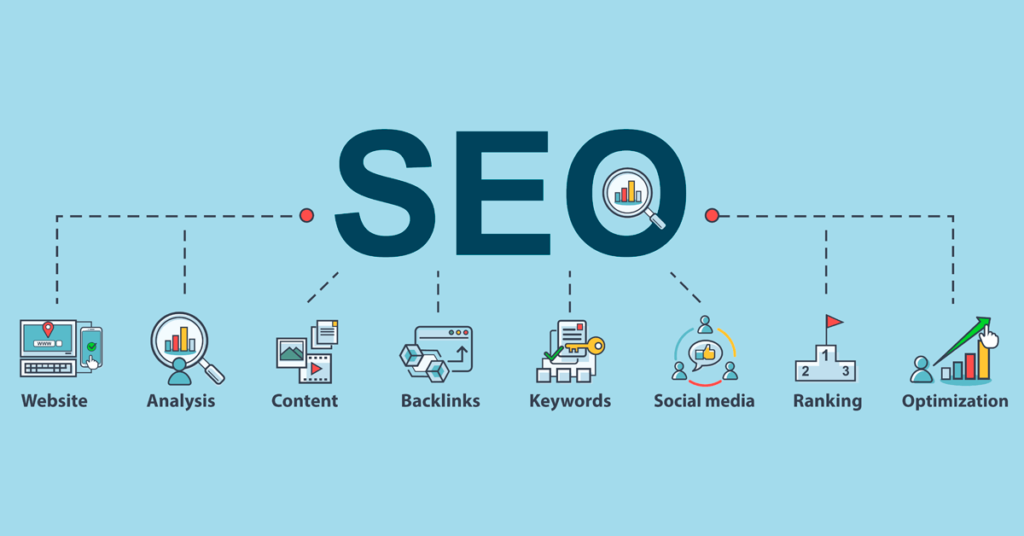
Search Engine Optimization (SEO) is the backbone of digital marketing and a critical component of online success. Whether you’re running a personal blog, an e-commerce store, or a corporate website, mastering SEO ensures that your content reaches the right audience. By improving visibility on search engines like Google, Bing, and Yahoo, SEO helps attract organic traffic that is both sustainable and cost-effective.
What is SEO?
SEO refers to the process of optimizing a website’s structure, content, and overall performance to improve its ranking on search engine result pages (SERPs). Unlike paid advertising, SEO focuses on earning visibility organically, which means it relies on the quality and relevance of your site rather than a continuous advertising budget.
In simpler terms, SEO is about making your website easy to find, user-friendly, and valuable to both search engines and people.
Key Components of SEO
To understand how SEO works, it’s essential to break it down into its main components:
1. On-Page SEO
On-page SEO involves optimizing the elements within your website. This includes:
- Keywords in titles, headings, and content.
- Meta descriptions that clearly describe your page.
- Image alt tags for better accessibility and indexing.
- Proper internal linking to guide users through your site.
2. Off-Page SEO
This focuses on building credibility and authority through backlinks. Search engines see backlinks from other reputable websites as a “vote of confidence.” Guest blogging, influencer collaborations, and social sharing all contribute to off-page SEO success.
3. Technical SEO
Technical SEO ensures that your website is crawlable, fast, and mobile-friendly. Important aspects include:
- Site speed optimization.
- Mobile responsiveness.
- Secure browsing with HTTPS.
- Structured data for better indexing.
4. Content SEO
High-quality, relevant content remains the cornerstone of SEO. Search engines prioritize fresh, engaging, and informative content that provides value to readers. Blogs, infographics, videos, and case studies all help boost rankings.
Why SEO Matters for Businesses
A strong SEO strategy can dramatically increase visibility, leading to more web traffic and conversions. For businesses, this means:
- More leads: Higher rankings bring more exposure.
- Cost efficiency: Organic traffic reduces reliance on paid ads.
- Brand trust: People often trust top-ranking websites more.
- Competitive advantage: SEO helps you outperform competitors in the digital space.
The Role of Metrics in SEO Success
When analyzing SEO performance, it’s crucial to track key metrics. One of the most important is click-through rate (CTR). CTR measures the percentage of people who click your website link after seeing it in search results. A higher CTR indicates that your meta titles, descriptions, and content are compelling and relevant. Improving CTR not only drives more traffic but also signals to search engines that your page satisfies user intent.
Other valuable metrics include:
- Bounce rate: Shows how long visitors stay on your site.
- Average session duration: Reflects user engagement.
- Conversion rate: Tracks how many visitors turn into customers.
- Keyword rankings: Monitors your position in SERPs.
Best Practices for SEO in 2025
SEO continues to evolve, and businesses must adapt to remain competitive. Some best practices include:
- Focus on user intent: Understand what people are searching for and provide answers.
- Leverage AI tools: AI-powered platforms can help analyze keywords and optimize content faster.
- Optimize for voice search: With the rise of smart assistants, conversational queries are more common.
- Prioritize mobile-first indexing: Most users access websites via mobile, so responsiveness is non-negotiable.
- Create engaging content formats: Videos, interactive graphics, and podcasts are highly effective for SEO.
Conclusion
SEO is more than just a digital marketing tactic—it’s a long-term strategy that shapes how businesses succeed online. By mastering on-page, off-page, technical, and content SEO, brands can build authority, attract organic traffic, and boost conversions. Metrics such as click-through rate and keyword rankings serve as valuable indicators of progress, helping refine strategies for optimal results.
Investing in SEO is not a one-time task but an ongoing process. As search engines evolve, staying updated with the latest best practices ensures that your website remains visible, competitive, and successful in the ever-changing digital landscape.
FAQs
1. What is SEO and why is it important?
SEO (Search Engine Optimization) is the process of improving a website’s visibility on search engines like Google. It’s important because higher rankings attract more organic traffic, build brand credibility, and increase sales without relying solely on paid advertising.
2. How long does it take to see results from SEO?
SEO is a long-term strategy. Most websites start seeing noticeable improvements in 3–6 months, depending on competition, keyword difficulty, and the consistency of optimization efforts.
3. What is the difference between on-page and off-page SEO?
- On-page SEO focuses on optimizing elements within your site (keywords, content, meta tags, images).
- Off-page SEO builds authority outside your site, primarily through backlinks and brand mentions.
4. What role does click-through rate (CTR) play in SEO?
Click-through rate (CTR) measures how many users click your site link after seeing it in search results. A high CTR shows that your title and meta description are appealing, which not only drives traffic but also signals search engines that your content is relevant.
5. Can I do SEO myself or do I need an expert?
Yes, you can start SEO yourself by learning the basics—like keyword research, creating quality content, and improving site speed. However, for competitive industries or large websites, hiring an SEO expert can help maximize results faster.