
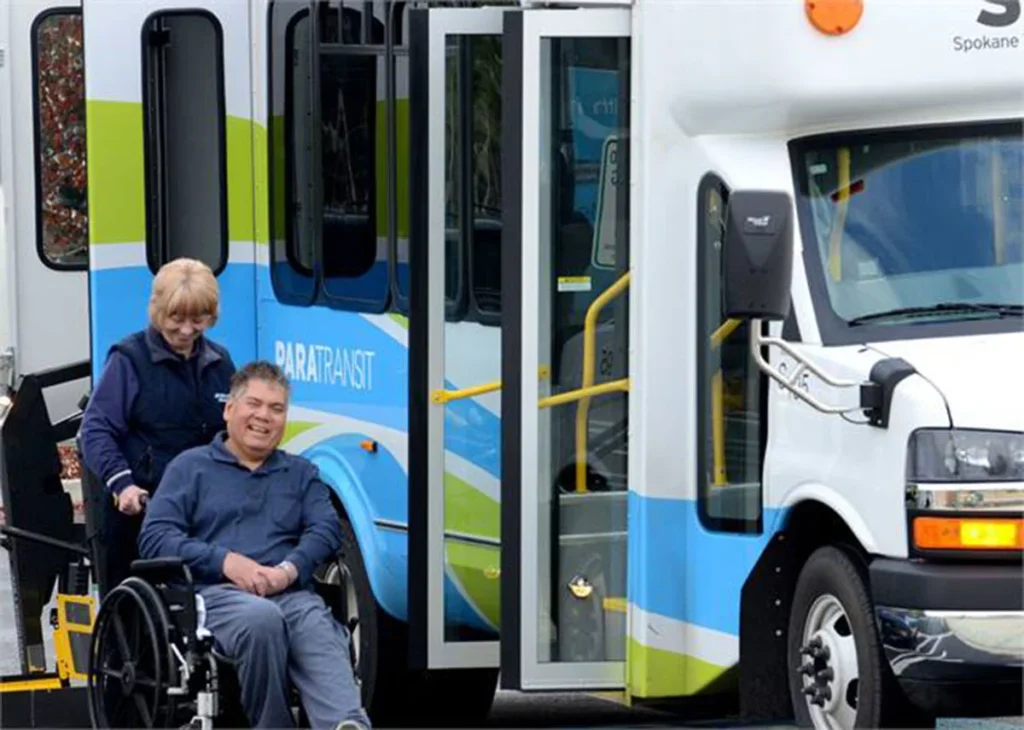
Public transportation is a lifeline for many people—but for individuals with disabilities or mobility challenges, traditional bus or rail services may not meet their unique needs. This is where paratransit services come into play.
These specialized transit systems are vital in promoting inclusivity, independence, and equal access to transportation. They’re tailored to serve people whose disabilities prevent them from using fixed-route transit systems. In this post, we’ll explore what paratransit services are, how they operate, and when companion rides—a critical yet often misunderstood component—might be the right fit.
What Are Paratransit Services?
Paratransit services are a form of public transportation created to comply with the Americans with Disabilities Act (ADA). They’re designed specifically for people who cannot use the standard transit systems due to a physical, cognitive, or sensory disability.
Unlike fixed-route systems (like buses or trains that follow set paths and schedules), paratransit services offer more flexible, door-to-door or curb-to-curb travel. They operate on demand and usually require advance booking, often 24 to 48 hours ahead of time.
Paratransit vehicles vary in size—from sedans to wheelchair-accessible vans—and are often equipped with lifts, ramps, and other assistive technologies to ensure safety and accessibility for riders.
Who Is Eligible?
To qualify for paratransit services, riders must meet one or more of the following criteria as outlined by the ADA:
- Inability to Navigate Fixed-Route Systems: This includes individuals who cannot board, ride, or disembark from accessible vehicles due to a disability.
- Lack of Accessible Routes or Vehicles: If a rider’s neighborhood lacks wheelchair-accessible buses or facilities, they may be eligible.
- Specific Impairments: Those with visual, cognitive, or psychiatric impairments that prevent them from navigating fixed-route systems independently may qualify.
Eligibility is typically determined through an application and assessment process managed by the local transit authority. Riders may be asked to provide medical documentation or complete an in-person evaluation.
How Do Paratransit Services Work?
Paratransit systems are considered complementary to public transit and must operate within ¾ of a mile of a fixed-route transit line. Services typically run during the same hours and days as nearby fixed-route operations.
Here’s a general breakdown of how the system functions:
- Booking: Riders must schedule rides in advance, usually by phone, online, or via a mobile app.
- Fares: The fare for paratransit services is regulated and may not exceed twice the fare for a comparable fixed-route trip.
- Scheduling Windows: Riders receive a pickup window rather than an exact time.
- Shared Rides: Trips are often shared with other eligible passengers, so the route may include multiple stops.
Paratransit drivers receive specialized training in customer service, safety protocols, and assisting riders with mobility devices. This ensures a supportive, respectful experience tailored to riders’ needs.
The Role of Companion Rides
A frequently overlooked yet important part of paratransit services is the option to bring a companion—someone who assists the rider during the journey.
Companion rides fall into two main categories:
- Personal Care Attendants (PCAs)
These individuals are essential for helping the rider with daily living tasks or mobility needs during transport. The ADA mandates that:
- PCAs can ride for free with the eligible paratransit user.
- Riders must declare the use of a PCA during the eligibility process and trip reservations.
- Companions (Non-PCAs)
These could be friends, family members, or other non-caregivers. Key points include:
- Companions must pay the standard fare (the same as the eligible rider).
- Riders can typically bring one companion per trip unless space allows for more.
- Advance notice is usually required to ensure seat availability.
When Might a Companion Ride Be a Good Fit?
There are several situations where having a companion along for a paratransit ride enhances the experience for the rider and supports a safe, smooth journey.
Medical Appointments or Procedures
Some medical treatments—like outpatient surgeries or dialysis—may leave a rider groggy, disoriented, or physically vulnerable. A companion can provide emotional support, handle communication with medical staff, or help the rider return home safely.
Cognitive or Developmental Disabilities
Riders with conditions like Alzheimer’s, autism, or intellectual disabilities may benefit from having someone they trust present. Companions can offer reassurance, help interpret the route, and intervene in case of confusion or distress.
Anxiety and Mental Health Conditions
For individuals with severe anxiety, PTSD, or panic disorders, having a familiar face nearby can make all the difference. Companion rides provide a calming influence, making public travel more tolerable or even enjoyable.
Senior Riders
Older adults experiencing age-related challenges such as impaired vision, arthritis, or limited hearing may find traveling alone overwhelming. Companions help manage logistics and assist with mobility.
Children with Disabilities
Children who use paratransit must be accompanied, usually by a parent, guardian, or trained assistant. In these cases, a companion ride is not just helpful—it’s often necessary.
How to Request a Companion Ride
Requesting a companion or PCA ride is relatively simple, but it’s essential to follow local transit authority procedures:
- Declare in Advance: Whether you’re booking online or by phone, indicate you’ll be bringing a companion and specify if they are a PCA.
- Check Fare Rules: Ensure you’re aware of the fare for companions and the requirements for PCAs to ride free.
- Update Your Application: If your need for a PCA is new, contact your transit provider to update your eligibility file.
Every agency may have slight variations in their process, so it’s a good idea to review the paratransit policy in your area or speak directly with a customer service representative.
Benefits of Companion Rides
Adding a companion to a paratransit trip can offer several tangible benefits:
- Increased Safety: A second person provides another layer of assistance, whether navigating curbs or managing medical equipment.
- Emotional Support: Travel can be stressful; companions bring comfort and familiarity.
- Improved Communication: Companions can act as advocates, especially for riders with speech impairments or cognitive challenges.
- Greater Independence: Ironically, bringing a companion can help riders feel more autonomous, knowing they have the right support system in place.
Challenges and Considerations
While companion rides offer many advantages, they can come with logistical challenges:
- Space Limitations: Most vehicles are small, so accommodating multiple riders and wheelchairs can be tricky.
- Cost: While PCAs ride for free, standard companions do not—potentially adding cost to each trip.
- Booking Complexity: Each additional person must be accounted for during scheduling, which can lead to longer wait times or route adjustments.
Still, with thoughtful planning, these challenges are manageable.
The Future of Paratransit Services
As technology continues to improve, paratransit services are becoming more sophisticated and user-friendly. Apps now allow for real-time tracking, booking, and reminders. Artificial intelligence is also being used to optimize routes and shorten wait times.
Furthermore, some municipalities are exploring microtransit and hybrid models that integrate ride-sharing technology with ADA-compliant transit. This could make companion coordination and personalized service even more seamless.
Final Thoughts
Paratransit services play a critical role in empowering individuals with disabilities to lead active, connected lives. For many, the ability to travel independently is more than a convenience—it’s a gateway to education, employment, healthcare, and social interaction.
Understanding the full scope of these services—including the benefits and limitations of companion rides—helps ensure riders get the most out of what’s available to them. Whether you’re a rider, caregiver, or family member, knowing when and how to include a companion can make the journey safer, easier, and more dignified.
By investing in accessible, human-centered transportation solutions, we build communities that are not just mobile, but truly inclusive.