
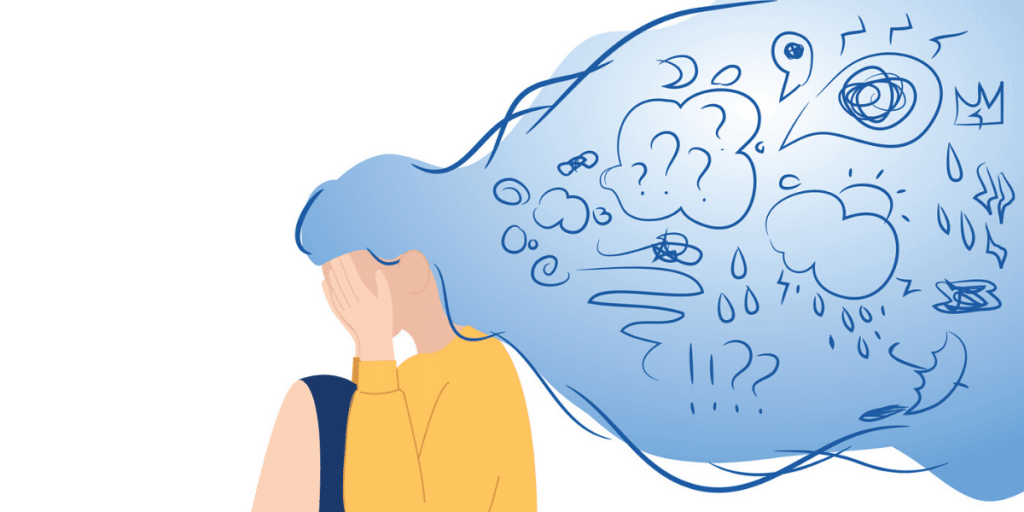
Studies have found that addiction and mental health disorders are interrelated to each other. Several mental diseases like depression and others can lead to addiction and addiction can also cause certain mental disorders.
So addiction and mental health disorders are mutually dependent on each other and treating one without the other makes no sense. Since these diseases often mirror and overlap one another, patients need to undergo treatment that addresses both their mental health and substance abuse issues. And a dual diagnosis treatment program is the most effective way to manage these co-occurring conditions.
What is a dual diagnosis disorder?
When a person is diagnosed with both substance use and mental health issues, it is referred to as a dual diagnostic disorder, also known as a co-occurring disorder, dual disorder, or comorbidity. At some time in their life, around half of those who have a mental illness will also develop a habit of abusing a substance and vice versa. Both situations may become worse as a result of their interactions. It is sometimes difficult to tell which disorder developed first, which can make diagnosis even more challenging because one disorder can mask or accentuate symptoms of the other.
Which mental health disorders occur with substance abuse?
Studies have shown that individuals suffering from addiction issues also suffer from several psychological, emotional, and psychiatric disorders.
- Major depressive disorder
- Bipolar disorder
- Generalized anxiety disorder (GAD)
- Dysthymia
- Social anxiety disorder
- Obsessive-compulsive disorder
- Post-traumatic stress disorder (PTSD)
Signs and Symptoms of co-occurring disorder:
Mental health centers can now easily identify co-occurring substance use issues due to the drugs and alcohol screening tools. The signs and symptoms of the co-occurring disease depend on the disorders occurring together.
General signs and symptoms of substance abuse disorder are:
- Sudden changes in personality and behavior
- Preferring to isolate yourself rather than socializing
- Indulging in risky behaviors (Like risky driving habits, unsafe sex, etc.)
- Not enjoying and doing the favorite activities
- Getting into legal or any type of financial problems
- Extensive cravings for the substance
- Unable to control the use of drugs and alcohol
- Experiencing several dangerous withdrawal symptoms when the substance is not consumed
General signs and symptoms of mental health disorders:
Symptoms of mental health disease depend on the particular disease and may vary from person to person, but here are some common symptoms:
- Constant low and high moods and extreme mood fluctuations
- Low concentration
- Decreased productivity or functionality
- Confusion
- Changes in sex drive
- Eating and sleeping problems
- Low self-esteem
- Experiencing negative emotions like fear, sadness, anger, worry, nervousness, etc.
- Preferring to stay alone and avoiding friends, family, or close ones
- Unexplained physical pain
Some severe symptoms also include suicidal thoughts, delusions, hallucinations, paranoia, etc.
Dual diagnosis treatment:
Treatment for addiction that pays little or no attention to mental health is rarely successful. In order to recover, both problems must be managed and treated. Relapse is more likely to happen due to triggers if both conditions are not addressed.
A dual diagnosis treatment center works well in this condition as they provide their patients with a dual diagnosis program that can help with the recovery of addiction and mental health diseases. Long-term recovery depends on receiving treatment for both disorders from the same treatment center, regardless of which issue started first, substance or mental health issue.
Treatment for substance abuse includes detoxification, various medications, management of withdrawal symptoms by expert medical professionals, behavioral therapy to regulate your behavior, joining certain support groups to maintain sobriety, etc.
Treatment for mental health issues includes individual or group counseling, medication, peer support, cognitive behavior therapy, peer support, learning coping skills, self-help measures, lifestyle changes, etc.
Additional things which you can do at a dual diagnosis treatment center for long-term recovery are:
- Learn to manage stress and emotions
- Try to cope with unpleasant feelings
- Understand your trigger and make an action plan for that
- Connect with others
- Make a priority to connect face-to-face with family and friends
- Follow the orders of the doctors
- Get properly involved in the therapy sessions
- Make healthy lifestyle changes
- Exercise regularly
- Develop healthy eating habits
- Get enough sleep
- Practice relaxation techniques
- Try to find some new meaning in life
- Avoid triggers
- Develop new interests and indulge in new activities
- Stay involved in group support
- Set your boundaries
- Educate yourself
- Be patient and consistent with your approach
Finishing up:
A dual diagnosis disorder can be tackled with the help of a dual diagnosis program and the individuals suffering from the disorder can get a new path toward recovery. But choosing a proper dual diagnosis treatment center is necessary for treating the disorder. Ensure that the program you are enrolling into has experience with the specific mental health condition you are facing. The delicate balancing act of treating each illness must be managed through a personalized treatment plan.
Remember that you should not hesitate to get the support you need and be consistent with that. If any of your loved ones is suffering from this condition, contact your nearby dual diagnosis treatment center.