

Unconventional Ways to Boost Startup Culture: Founders Share Their Secrets
Strong startup cultures are built through everyday choices, not just perks and slogans. Founders share practical ideas, from protecting staff and trusting employees to making room for real life and safe mistakes. Insights from experts in the field show how these unconventional steps can bring teams closer and help companies grow.
- Share Decisions You Decline
- Let Colleagues Lead Fun
- Design Office Space Around Needs
- Create Connection Through Brackets
- Defend Staff From Abusive Clients
- Reset Calendars to Respect Time
- Turn Industry Events Into Offsites
- Unite Fridays With Banjo Breaks
- Develop People Step by Step
- Replace Surveillance With Trust
- Make Failure Safe
- Celebrate Values Publicly
- Pair New Hires Across Departments
- Model Accountability for Mistakes
- Embed Cross-Functional Cooperation
- Empower Employees to Shape Culture
- Welcome Real Life at Work
- Eliminate Case Incentives to Unite Attorneys
Share Decisions You Decline
One unconventional method I have used is a monthly “collection of nos,” where we share four or five decisions we made to turn down an idea, candidate, or feature, with a brief explanation of why. It raised morale by making our values concrete and predictable, especially for remote teammates who cannot pick up culture by overhearing everyday decisions. It also invited healthy debate, which helped people feel included in how we think and what we prioritize. My advice to founders is to document the decisions that cost you something, not just the slogans, and share them consistently in a place the whole team will actually read, like Slack.
 Chris Toy, CEO, MarketerHIre
Let Colleagues Lead Fun
We have always wanted to foster a collaborative environment at Doctify, not only to improve team cohesion and output but to make everyone feel more connected to each other and part of something bigger.
We have an appointed group of employees called the ‘Fun Police’ who organise team events to build morale and connection. Some are completely unrelated to work, like bowling, karaoke and lunch clubs. Others are designed to bring creativity into the working day, like the Dragons Den event where employees from across the business teamed up to brainstorm and pitch ideas for how we could develop our product for patients and doctors.
The Dragons Den was fun, but it also gave people a chance to learn what other teams do day to day and to hear about the ambitions and personal goals colleagues have in their roles.
These events are a way of recognising the team’s hard work as a collective, not just those who win the individual awards we run every quarter. We have an ambitious and growing team so maintaining and nurturing talent and making our people feel valued is important. I think this attitude is well reflected in our Glassdoor score holding a 4.6 rating overall.
My advice would be to let colleagues lead and shape employee culture. We have always wanted our events to feel like genuine fun and not forced fun and that translates best when colleagues organise the events rather than it being introduced from the top.
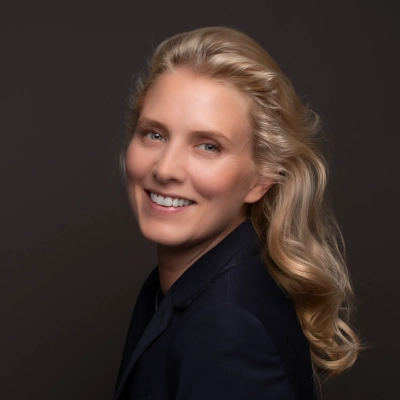 Stephanie Eltz, CEO and Co-Founder, Doctify
Design Office Space Around Needs
When the pandemic emptied our big office, I didn’t force people back. In 2022 we moved to a smaller space built around what the team actually missed at home: phone booths, standing desks, proper meeting rooms and a balcony with a view over Hamburg. The office stopped being a duty and became a meeting point again. My advice to founders: ask your team what they can’t get at home, build exactly that, and skip the rest.
 Jens Hagel, Founder & Owner, kjello
Create Connection Through Brackets
One unconventional way we’ve built culture at Slickplan is an annual March Madness bracket. Our team is distributed across several countries, so it gives people a low-pressure activity to follow together for a few weeks. We use a leaderboard and daily updates, and the friendly competition creates conversations between colleagues who don’t normally work closely together.
The clearest result has been participation. Roughly half the team joined at first; over a couple of years, that grew to everyone, and the tournament became something people looked forward to. My advice to other founders is to make participation easy and give a shared interest room to become a tradition. A positive work environment grows through interactions people actually enjoy, not just scheduled team-building exercises.
 Ian Lawson, Founder | Website Planning, UX & Content Strategy Expert, Slickplan
Defend Staff From Abusive Clients
I’m Cody C. Jensen, founder and CEO of Searchbloom, a digital marketing agency. Your team learns where they rank the day a customer mistreats one of them, so watch what you do that day. I fired a paying partner the same afternoon he was rude to one of my people. Not a warning. A phone call. We had worked with this service business for more than 12 months, and he lost his temper with a teammate. I told him the behavior was unacceptable, and we were done.
Most businesses put the customer first. I don’t. The people who work at Searchbloom come first, and partners come second. That call said more than a core values poster on the wall.
How did it land? I didn’t send a survey to find out. We stopped running engagement scores, so now we just ask our people and listen in Slack and in one-on-ones.
My advice to founders: quit trying to create culture. You can’t. Culture is a byproduct of the circumstances you put people in. Give them a fair shot, real support, and someone who has their back with a difficult customer, and it grows on its own.
We didn’t build the culture. We built the environment in which it could grow.
 Cody Jensen, CEO & Founder, Searchbloom
Reset Calendars to Respect Time
I deleted every recurring meeting for two weeks and let the culture rebuild the calendar.
Twice now I have run what I call a calendar reset: every standing meeting cancelled, no exceptions. Anyone who needs one sends a new invite with a one-line purpose and the decision it is supposed to produce. If they cannot write that line, the meeting does not exist.
About half the slots never came back. Nobody missed them. The weekly status round became a written update people read in five minutes instead of sitting through for forty-five. The meetings that returned got shorter and better attended, because they finally had a stated reason.
The effect on morale was not the time saved, it was the message. People saw that their time was treated as scarce, and that they could fight for a meeting that mattered and win.
Advice for founders: do not decide yourself which meetings to keep. My guesses were wrong about a third of the time. The people who need a meeting will ask for it, and that asking is the data you were missing.
 Felix Römer, Founder, SmartKeys
Turn Industry Events Into Offsites
We don’t have an office, so there was never a watercooler to fix, but we have conference halls instead. Over the years we’ve partnered with more than 40 blockchain and digital asset events worldwide, and at some point I stopped treating them as business trips and started treating them as our offsite.
Rather than flying everyone to a rented house for a week of facilitated bonding, we work an event together, covering sessions, recording interviews, splitting up in the morning, and comparing notes at night. The team comes home with a shared story, and nobody has to pretend to bond because they’ve done real work side by side.
The effect on morale has been incredible to witness. People want to see why their job matters, and being told rarely gets there. At a live event you watch a woman walk into a room she couldn’t have afforded to be in, and the spreadsheet you built last week suddenly has a face.
So founders, stop trying to manufacture a watercooler, it’s awkward and feels obviously forced. Find the moment where the work becomes visible, and put your team inside it.
 Kelly Ann Collins, Founder, Unstoppable Future Corporation
Unite Fridays With Banjo Breaks
I keep my banjo in the office. Every Friday at 3 PM we stop for ten minutes and I play a couple of songs. Anyone can request one, and for ten minutes nobody talks about shipments or deadlines.
People laugh and have a good time, and of course someone always heckles me when I hit a wrong note. By the time we go back to work, the room feels different. The tension that builds all week just drains out.
The morale effect was bigger than I expected. People started showing up to the Friday break even when they were remote, which is a big deal for us. A few brought their own instruments and one guy plays harmonica now. It became the thing people look forward to instead of the thing they just tolerate.
My advice is to find that one small ritual that has nothing to do with work and protect it. It doesn’t have to be music. Just make it consistent, fun, and a bit silly.
 Kade Robertson, CEO, Viral Distributors
Develop People Step by Step
The most unconventional thing I’ve done is run my studio on a gradual path, borrowed from ancient teachings rather than startup playbooks.
When I started working with a client who teaches Tibetan Buddhism, I moderated his course on Lam-rim, a teaching about progressing step by step. It changed how I think about building a team. Most startup advice is about speed and copying whatever framework is trending. I mix approaches that have worked for hundreds of years with modern tools, because what was true then is still true now, just with better graphics.
In practice, nobody on my team is expected to jump straight to the hard stuff. People grow in stages. I ask each person about their availability and what they’re confident doing, then give them work that stretches them one step at a time instead of piling everything onto whoever looks free. I check in with everyone individually, ask what’s blocking them, and step in to help. Delegating doesn’t mean I stop doing the work.
I also pull lessons from outside work. Tennis taught me that fundamentals repeated daily beat one big push, and diving taught me you never rush a descent, you equalise and adjust as you go. Both apply directly to how a small team should grow.
The effect on morale has been real. People aren’t burnt out, they know someone has their back, and they flag problems early instead of hiding them. It’s also made us faster, because people do their best work when they’re not overloaded.
My advice to other founders: stop looking for the perfect template. Building a culture that’s actually yours is slow, and that’s what’s matters the most.
 Rinn R, Founder and Creative Director, Echo Omni Studio
Replace Surveillance With Trust
The most unconventional thing we do is something we don’t do: we don’t manage people by tracking their hours. And we’ve never denied a leave request.
We don’t have an office, so I can’t point to a ping-pong table or a team-building retreat. For a remote team, culture comes down to whether people feel trusted. Trust isn’t a perk you hand out after someone proves themselves. It’s the operating cost of not managing adults like children.
I can’t give you a morale score, and I’d be wary of anyone who offers a tidy number. With what I’ve seen in our team, we boost their morale through monthly virtual activities and the sentiment has been positive. A testament to that is that my very first hire several years back remains with us because of our company culture of trusting instead of policing our staff. What I can say is that the approach hasn’t forced us into the thing most managers fear, which is losing control. Nobody has needed to be policed.
The research points the same way. A 2023 meta-analysis in Personnel Psychology reportedly found no evidence that electronic monitoring improves performance, while confirming it raises stress. Other surveys of remote workers also report high levels of anxiety under constant surveillance, and the studies that favor monitoring are mixed at best.
My advice to other founders is to replace surveillance with clarity. Be specific about what good work looks like, judge people on outcomes instead of time online, and check in regularly on goals through real conversations. That is how you find problems early without making people feel watched. Treat your team like capable adults and most of them will act like it.
 Alon Pearl, Founder & CEO, VA Masters
Make Failure Safe
The most useful thing I’ve brought into our company came straight out of a football locker room. In sports, when you relieve the fear of failure, players stop playing tight and start playing with freedom. I’ve tried to build Pledge It the same way, by making it safe for people to try something and miss.
In practice, that means clear direction, real accountability, and plenty of room to experiment. People know where they stand because we communicate directly. Then they get the resources to figure things out. That’s what I mean by ‘equip and empower.’
The effect shows up in small ways. Team members regularly bring ideas that sit outside their job descriptions and explore them openly. We’ve also had people leave and come back, and that tells me more about morale than a survey could.
My advice to founders is to model it yourself. I work out every morning and still play basketball, and I’ve never had to mandate discipline. Culture follows what the leader does far more reliably than what the leader says.
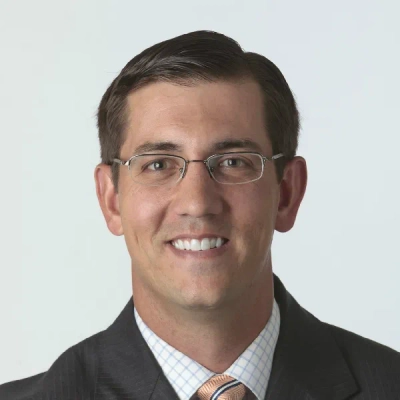 Scott Shirley, Founder & CEO, Pledge It
Celebrate Values Publicly
One unconventional way to improve office culture is to make peer and manager recognition a regular, visible part of the workday. At Underdog, our recognition program gives people a place to celebrate colleagues who live our values or go above and beyond, sometimes with a small reward. Since we launched it, our annual employee engagement survey scores have risen by 12 percentage points, and employees have said they feel more valued when their work is recognized publicly. For founders, keep recognition specific, sincere, and tied to the behaviors you want to see across the team. A consistent habit of noticing good work can help people feel appreciated and strengthen a positive work environment.
 Travis Lindemoen, CEO, Underdog
Pair New Hires Across Departments
One thing that’s worked really well for us at Catalyst is pairing every new joiner with an onboarding buddy from a different department. People naturally build strong relationships within their own teams, but as we’ve grown to 80+ people across multiple departments, it’s become more important to create connections across the wider business too. The buddy system helps new starters integrate faster and gives them someone outside their immediate team they can go to from day one. We reinforce that with regular office outings, seasonal parties and biannual reviews.
My advice to founders would be to design culture deliberately, but leave room for people to shape it themselves. As you grow, you can’t assume relationships and progression will happen organically. You need systems that create connection, but also enough ownership for people to improve the company around them.
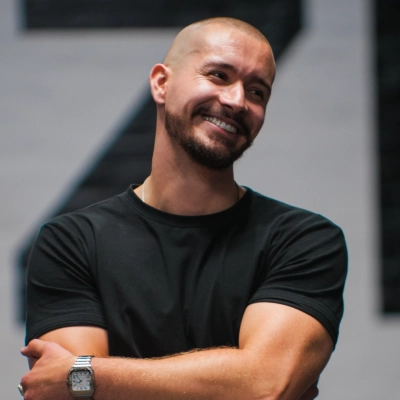 Tobias Green, Founder and CEO, Catalyst
Model Accountability for Mistakes
One of the things I knew I wanted to avoid in my company’s culture was that tendency to protect your own reputation and avoid responsibility. When mistakes become nobody’s responsibility, nothing gets fixed. With that in mind, I made a point of taking responsibility for my mistakes, even small ones. I’ve been around bosses who wouldn’t even admit that they were late to meetings, and I saw how toxic that made the culture, so I do the opposite. When I screw up, I own it. This sets a strong example for everyone else, and we have a refreshingly open, solutions-oriented company today.
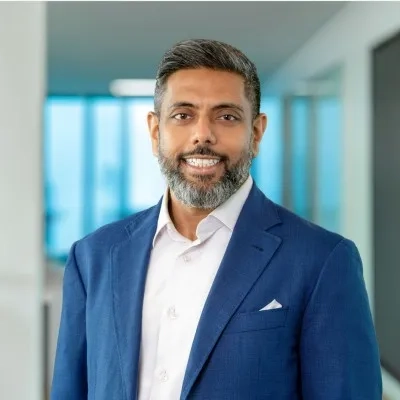 Ranjith Raghunath, CEO, CX Data Labs
Embed Cross-Functional Cooperation
One unconventional approach to building a positive office culture is making cross-functional collaboration part of the regular work structure rather than leaving it to chance.
For example, we encourage developers, project managers, and QA engineers to participate in early project discussions instead of involving each team only when their stage begins. This gives everyone a shared understanding of business objectives and helps prevent departmental silos.
The impact goes beyond smoother project execution. People feel more connected to the outcome, understand each other’s challenges, and develop greater respect for different roles. It also reduces the friction that often builds between teams under delivery pressure.
My advice to founders is to design collaboration into everyday operations. Culture is shaped by management decisions and the working environment they create. When leadership builds trust into the way teams operate, engagement and accountability follow naturally.
 Amit Dua, CEO, Your Team in India
Empower Employees to Shape Culture
One unconventional approach I recommend to startups is letting employees take ownership of improving their workplace culture instead of leaving every decision to management.
The idea is simple: create a small, rotating employee committee and give it the freedom to identify problems and suggest practical solutions. These don’t have to be major changes. Employees might recommend fewer unnecessary meetings, more flexible working hours, or a better way for teams to communicate. The important part is giving them a say in how their workplace operates.
I’d expect the biggest benefit to team morale to come from employees seeing their suggestions taken seriously. When people have a say in decisions that affect their daily work, it can help build trust and a stronger sense of ownership. But founders should measure the results rather than assume everyone feels more engaged.
My advice is to start small. Ask employees what’s getting in the way of doing their best work, choose one issue to address, and follow up on whether the change helped.
A positive work environment isn’t built through occasional team outings or office perks alone. It’s built through everyday decisions that show employees their opinions, time, and well-being matter.
 Levon Gasparian, Founder & Lead Data Analyst, EntityCheck
Welcome Real Life at Work
We’re a hybrid-work startup. One method we use to drive office culture is to be blatantly human-friendly, which means that personnel are expected to have lives. Kids and pets can and do get on screen sometimes, and we’ll pause for a moment to acknowledge and celebrate. Meals happen, and no one needs to be embarrassed to grab food, refill beverages, or stretch. Having an objectively human-friendly atmosphere means that staff also feel respected, seen, and able to speak up; this in turn creates a better, stronger team.
My advice to other founders is this: culture is built in the little things, so make sure to give people safe space to be part of their own lives.
 Michelle Li, Chief Operating Officer, BISBLOX
Eliminate Case Incentives to Unite Attorneys
Instead we hired four of the five board certified criminal specialists in the state and paid all of our employees straight salaries.
No one makes extra for sitting on a case so they jump all over each other’s cases. There were some growing pains with that and we took a pay hit early on but I’d do it again.
We started having discussions every day on what our game plan was. Between 3 other employees and 2 lawyers we’d get together and put everything we had on the white board and walk out a few hours later with a much more defined game plan. The attorneys started to go into each other’s offices and talk more about strategy.
The morale went up because every time somebody laughed at us it just brought us closer together. Now we have discussions about cases every day and if there wasn’t a discussion I’d be concerned. Sometimes there’s even yelling but that just means we’re trying to get the sharpest point on our arguments and theories. That turned what some considered a joke into a respected practice that even prosecutors will tell you they have to take seriously.
 Andrew Baldwin, Criminal Trial Specialist, Criminal Defense Team