
History of Candy
- Candy Apples: Their exact origin remains unclear, but these treats have become a staple at festive occasions.
- Fortune Cookies: Invented by Charles Jung in America, 1918, they’ve become a novelty at many Asian dining establishments.
- Good and Plenty: Registered as a trademark on June 12, 1928, these candy-coated licorice pieces became a classic American candy.
Classification by Ingredients
Sugar-Based Candies
Sugar-based candies are primarily made with sucrose, often in combination with glucose or corn syrup. These ingredients are heated to varying temperatures to achieve different textures and hardness levels. Hard candies, such as lollipops and lemon drops, are made by heating sugar and water to the hard-crack stage. Caramels are produced by adding dairy components to a sugar mixture and heating it until it reaches the firm-ball stage, creating a soft, chewy texture.Chocolate Candies
Chocolate candies are distinguished by their use of cocoa as a primary ingredient. There are two main types: milk chocolate, which includes milk powder or condensed milk, and dark chocolate, which has a higher percentage of cocoa and less milk than milk chocolate. Chocolate candies can be found in numerous forms such as bars, truffles, and filled confections.Gelatin-Based Candies
Gelatin, a protein derived from collagen, is the key ingredient in gelatin-based candies. Gummy bears and other gummy candies are made by dissolving gelatin, sugar, and flavorings, and then cooling the mixture in molds. The result is a chewy, jelly-like texture that has become popular across the world.Dairy-Based Candies
Dairy-based candies rely on dairy products like milk, butter, and cream to create their texture and flavor. Examples include fudge, made by mixing sugar, butter, and milk and heating it to the soft-ball stage before beating it to a smooth, creamy consistency, and toffee, which has a similar preparation to caramels but is cooked to a higher temperature to achieve a harder, more brittle texture.Nut-Based Candies
Candies that feature nuts as a significant ingredient fall into the nut-based candies category. These can include treats like almond joy, where nuts are often mixed with chocolate and other ingredients. Nut-based candies frequently combine the crunch and flavor of nuts like almonds with the sweetness of sugar and the richness of chocolate.Textures and Consistency
Hard Candies
Hard candies are characterized by their solid, often transparent, and glass-like structure. Achieved by cooking sugar syrup to the hard crack stage (typically between 146-154 °C), the low water content of 1-3% ensures a hard finish. Popular examples include rock candy and lollipops which provide a resistant crunch before dissolving.Chewy and Soft Candies
Chewy and soft candies exhibit a malleable, bendable texture that doesn’t dissolve quickly in the mouth. Cooking sugar to the soft ball stage (around 115-118 °C) creates conditions for soft candies like taffy and caramels. Marshmallows, although soft, are created by incorporating air into the sugar mixture, giving them their unique fluffy consistency.Gummy and Jelly Candies
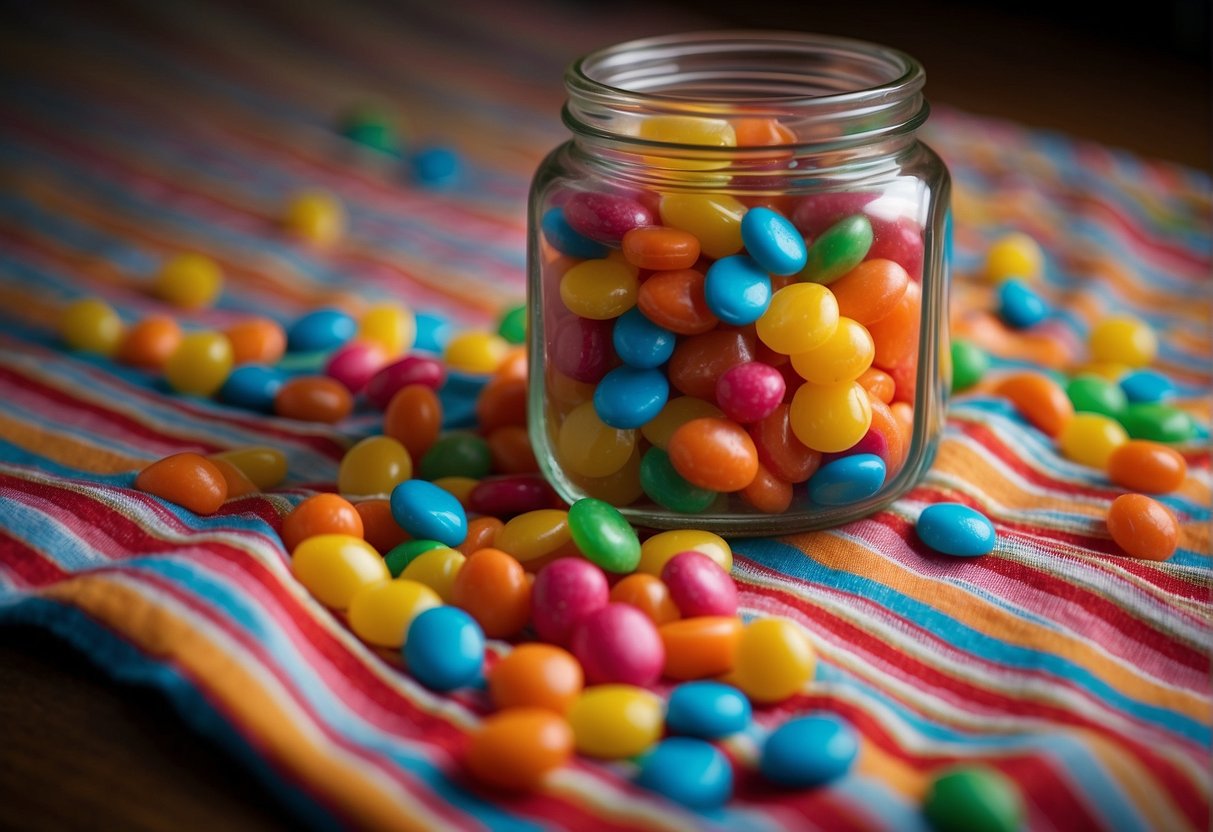
Gummy and jelly candies such as gummy worms and jelly beans boast a bouncy, elastic texture due to the addition of gelling agents like gelatin or pectin. These candies require a careful balance of ingredients to achieve their iconic chew without being too hard or too soft. The cooking temperature and concentration of sugars play a crucial role in determining the final consistency of these treats.Flavors and Colors
Candy connoisseurs can indulge in an extensive array of flavors and colors available in today’s candy market. Each candy type offers a unique taste and visual appeal, ensuring there is a sweet treat to satisfy every palate and preference.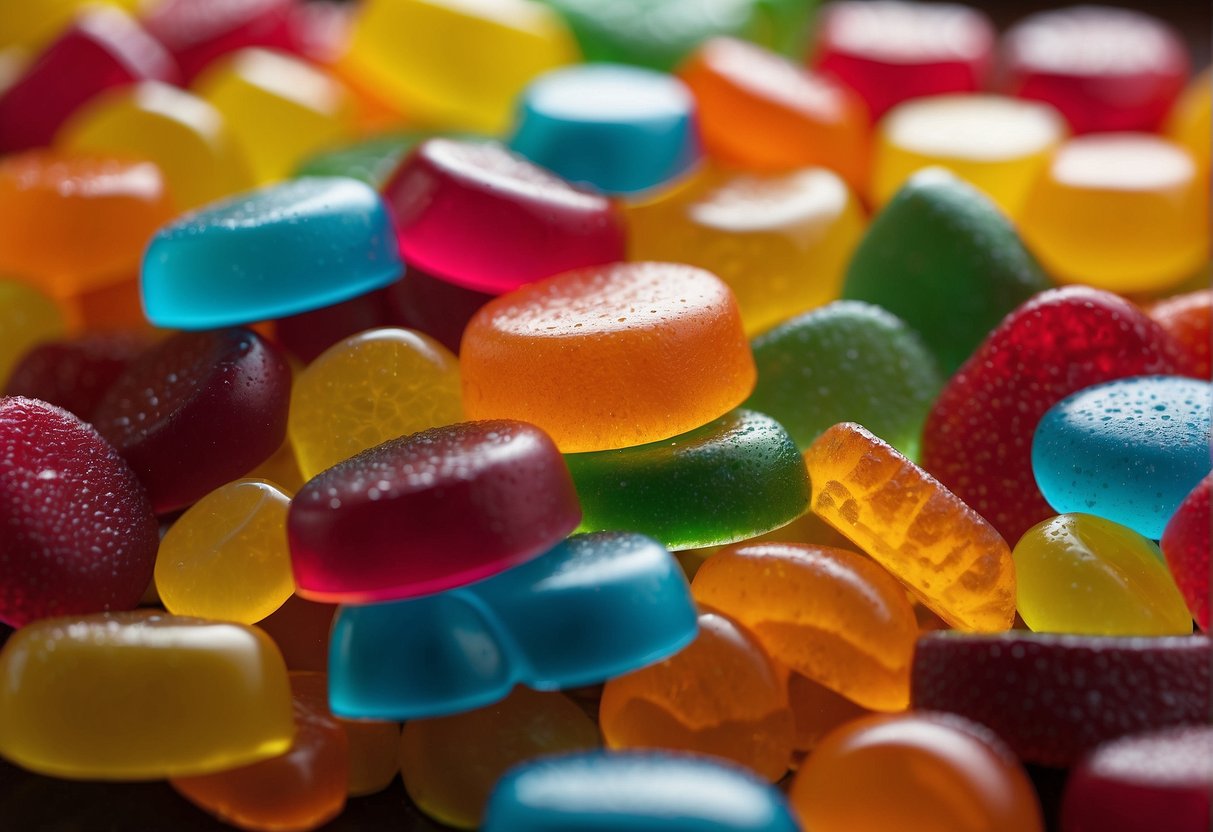
Fruit Flavors
Fruit-flavored candies come in a spectrum of tastes, mimicking the natural flavors of fruits. Common fruit flavors include:- Strawberry: Often found in gummy candies and hard candies.
- Lemon: A classic choice for a tangy kick, available in both hard and gummy varieties.
- Apple: Typically offers a sweet yet slightly tart flavor.
- Orange: Popular in both chewy candies and citrusy hard candies.
- Blue Raspberry: Known for its vibrant color and distinct berry taste.
- Lime: Offers a sour twist that balances sweetness with tartness.
Classic Flavors
Apart from fruit, several classic flavors are staples in the candy industry:- Chocolate: Rich and creamy, it’s a perennial favorite.
- Vanilla: Often used in taffy and as a balancing flavor in other candies.
- Caramel: Known for its deep, buttery sweetness and chewy texture.
- Licorice: Recognized by its deep black color and anise-like flavor.
Sour and Spicy Varieties
For those who seek a sharp zing or a fiery bite, a range of sour and spicy options is available:- Sour Candy: Such as Sour Punch and Warheads, these treats combine sweet with a lip-puckering sour coating.
- Peppers: A niche market of candies infused with chili offers a spicy kick.
Color Variety
Candy colors can range widely, often used to signify flavor or festivity:- Red: Commonly associated with strawberry or cherry flavors.
- Black: Traditionally linked with licorice.
- White: Often found in mints or coconut-flavored candies.
Candy Shapes and Presentation
Iconic Candy Shapes
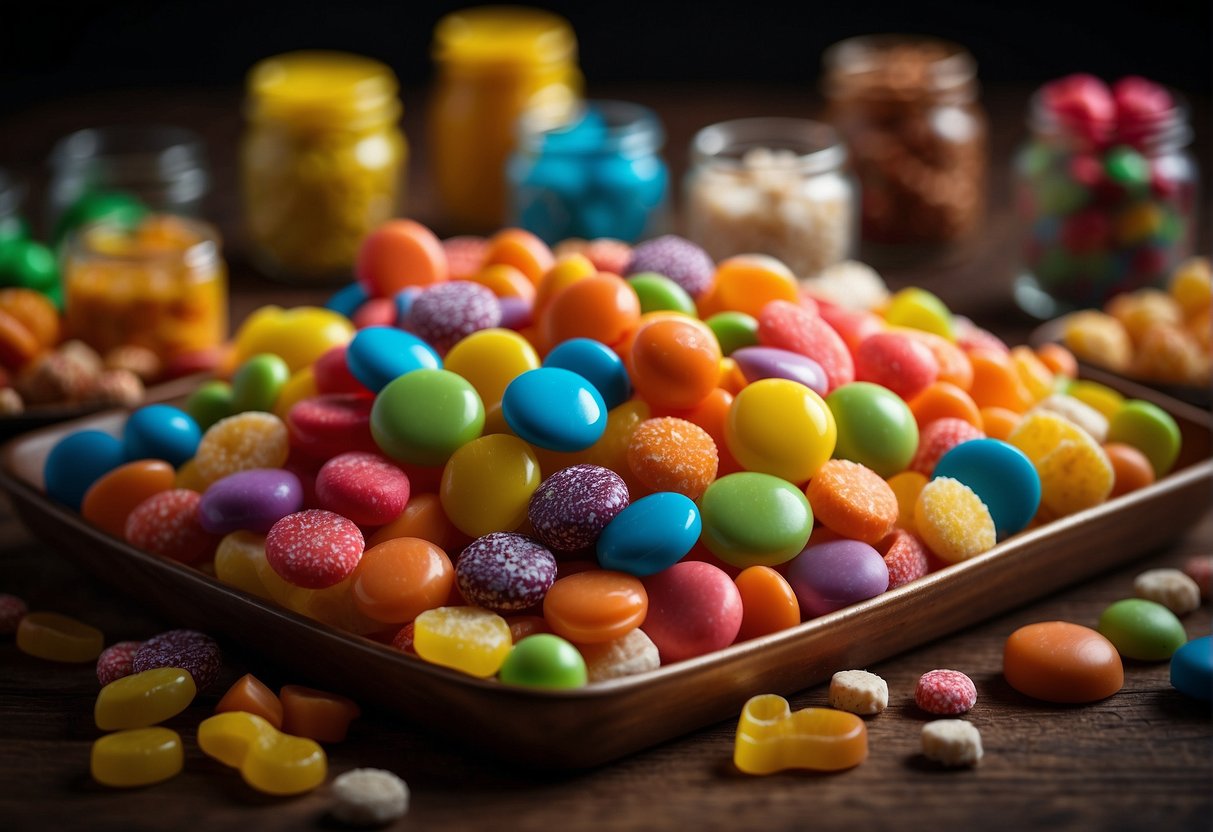
Candies have evolved into distinctive shapes over time, becoming symbols in their own right. Lollipops, typically recognized by their round, hard candy affixed to a stick, are perhaps one of the most culturally ubiquitous forms. Candy canes, with their signature hook and striped pattern, are synonymous with Christmas festivities. Hershey is well-known for its chocolate bars segmented into small rectangles, providing both a distinct shape and convenient breaking points for easy sharing.- Jolly Rancher: Hard candies known for their vibrant, translucent colors and original shapes resembling small, flat pillows.
- Skittles: Small, round, chewy candies with a hard sugar shell, often enjoyed by the handful.
- Kit Kat: Notable for their “finger” shape, allowing for a breakable, sharable experience.
Novelty and Themed Candies
Candies often reflect cultural moments or celebrations. For Halloween, there are a plethora of themed candies ranging from milky way bars designed like ghosts to gummies in the shape of bats and skulls. Rock candy, crystalline on a stick, showcases the science of sugar crystal formation and offers a fun, educational treat.- Twix: Comes in a pair, promoting the concept of twins or “twixt,” and is familiar for its elongated, narrow shape.
- Christmas: A season known for specialty shapes such as chocolate Santas, reindeer, and tree-shaped treats.
Packaging and Brands
Brands are instrumental in deciding the presentation of candy through their packaging choices and design elements. Hershey, for example, uses distinctive packaging for its Kisses – teardrop-shaped chocolates, each wrapped individually in foil with a paper plume. Snickers bars, identifiable by their maroon and blue wrappers, create a bold contrast that catches the eye.- Hershey’s Kisses: Individually wrapped with a distinctive plume that peeks out from the top.
- Snickers: The wrapper design is just as robust as the candy itself, featuring bold colors and strong lettering.
Cultural and Regional Varieties
American Favorites
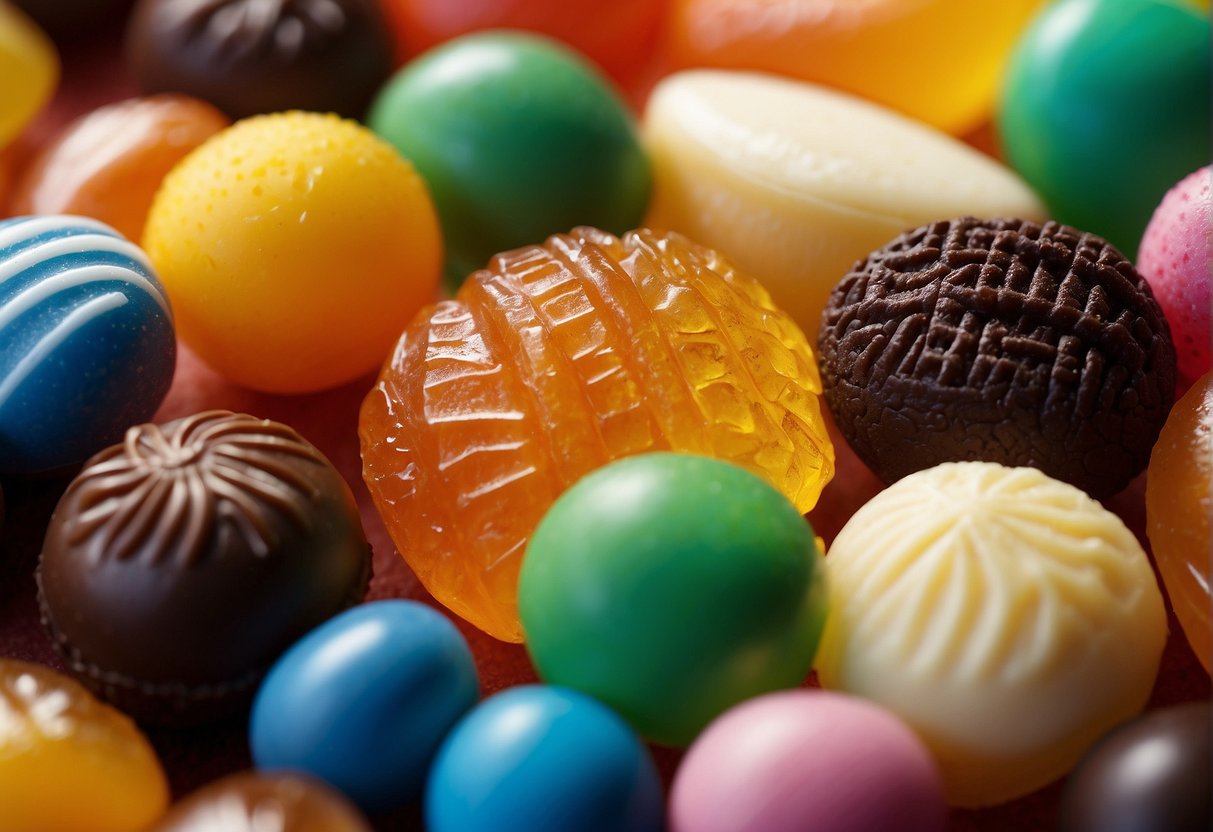
In the United States, jelly beans are a colorful and popular confection, particularly during the Easter season. The little bean-shaped sugar candies come in an assortment of flavors, ranging from fruit to more exotic tastes. Another leading name in American confectionery is Hershey, known for their creamy chocolate bars and an array of chocolate-based treats that dominate the U.S. candy market.European Delicacies
Europe is renowned for its diverse range of candies. In France, fraise tagada—a strawberry-flavored gummy candy enrobed in fine sugar—is a classic treat cherished by generations. Licorice flavored sweets, while polarizing, have a dedicated following in countries like Finland and Netherlands. Spain offers a distinct sweet experience with Turrón, a traditional Christmas confection made from almonds and honey. And not to forget, Chupa Chups from Spain, the ever-popular lollipop that comes in a multitude of flavors and has made its way into the hearts of candy lovers all over the continent.Asian Specialties
Asian confectioneries bring unique flavors and consistencies to the table. Japan, in particular, is home to a wide variety of candies, like the renowned Kasugai gummy candies, noted for their true-to-life fruit flavors such as kiwi, lychee, and yuzu. Each candy delivers a burst of flavor that is a testament to Japanese precision in confectionery arts.Other Regional Candies
From Poland comes the delectable Ptasie Mleczko, a soft marshmallow treat coated in chocolate—a candy so beloved that it has become a cultural icon. In the Philippines, Pastillas de Leche, a milky, soft candy, demonstrates the simplicity of local ingredients transformed into delightful sweets. Each region’s candy not only provides a sensory experience but also tells a story of its people and their traditions.Dietary Considerations
Sugar-Free Options
Sugar-free candies provide alternatives for those looking to reduce sugar intake. These products often contain sugar alcohols such as xylitol or artificial sweeteners like aspartame to mimic the sweetness of sugar. These options are suitable for diabetics or individuals on a low-carbohydrate diet. However, they may cause digestive discomfort if consumed in large quantities.Vegan and Vegetarian Candies
Candies free from animal products are available for vegans and vegetarians. Gelatin, commonly found in gummy candies, is an animal-derived ingredient. Alternatives such as pectin or agar-agar are plant-based gelling agents used in vegan candies. Dark chocolate with a high cocoa content often lacks milk, making it a vegan-friendly choice.Allergy-Friendly Sweets
Allergy-friendly sweets are designed to be safe for individuals with common food allergies. Key allergens to avoid include nuts, milk, and gluten. Manufacturers may label their products as “nut-free” or “dairy-free” to help consumers identify safe options. Careful reading of ingredient lists is crucial for those with food allergies.Candy in Popular Culture
| Iconic Candies | Role in Popular Culture |
| Cotton Candy | Symbolizes fun, childhood, and festivity. |
| Snickers | Embodied in advertising, associated with hunger satisfaction. |
| Kit Kat | Identified by its catchphrase, linked with taking breaks. |
| Life Savers | Connotes sharing, helping, and social interaction. |
Manufacturing and Production
The transformation of raw ingredients into delightful candies involves intricate processes whether conducted on a large industrial scale or through artisanal methods. Adherence to quality and safety standards is indispensable in both realms to ensure the production of safe and enjoyable confections.
Industrial Candy Making
Industrial candy making involves mass production techniques where factories utilize sophisticated machinery to efficiently produce large volumes of candies. Sugar, glucose syrup, and water are core ingredients often combined to create a syrup. For instance, in the production of hard-boiled candies, syrup is cooked, dissolved, and concentrated, aiming for a moisture level between 1% to 3%. Continuous cookers are integral to this process, ensuring uniformity and speed. Mass production has enabled popular candies such as brittle and fudge to be made in vast quantities, catering to worldwide demands.Artisanal and Handmade Candies
On the contrast, artisanal and handmade candies are crafted on a much smaller scale, where confectioners pay meticulous attention to detail. Truffles, for example, are often made by hand due to their intricate designs and flavour nuances. Artisanal processes favour manual techniques over machinery, allowing for creative expressions in shapes, flavours, and textures.Quality and Safety Standards
Adherence to strict quality and safety standards is critical in the production of candies to avoid contamination and ensure consumer safety. The use of ingredients like sugar, dyes, and flavourings, are tightly regulated to prevent the inclusion of toxic substances. Toxic Waste candy, with its high-acid profile, is an example where adherence to safety regulations is paramount to ensure that the candy’s sour taste does not translate into actual health hazards. Manufacturers implement regular health and safety checks across all stages of production, from ingredient sourcing to packaging.Candy Consumption Trends

- Freeze-dried candies: Heralding from a food preservation innovation of the early 20th century, these sweets have found recent popularity.
- Low-sugar options: Reflecting a balancing act consumers perform with their sugar consumption, reduced-sugar candies like low-sugar gummy bears are rising in demand.