
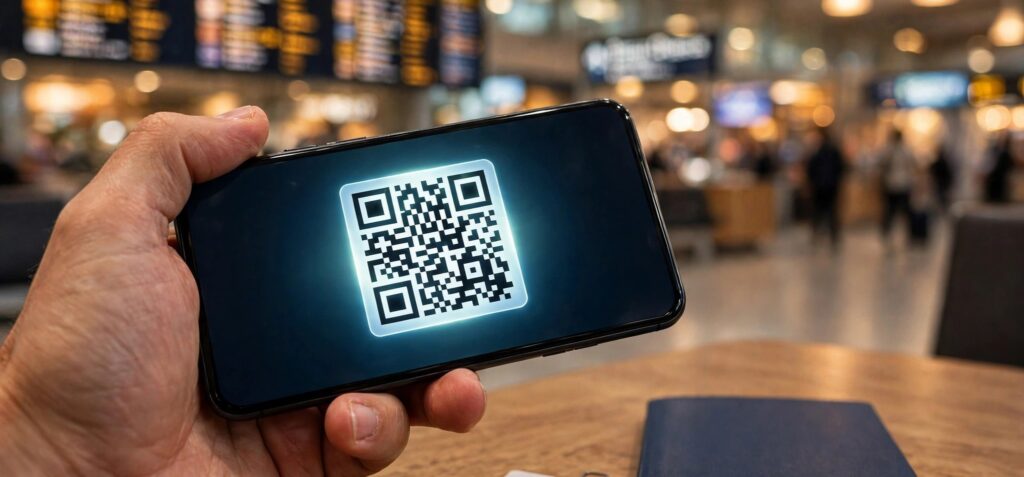
International travel has become increasingly dependent on reliable mobile connectivity. From booking accommodation and navigating unfamiliar cities to managing digital payments and attending remote meetings, travelers now rely on mobile internet throughout their journeys. As a result, the way people access mobile networks abroad is changing.
For years, international roaming and physical SIM cards were the primary options for staying connected outside one's home country. However, the expansion of eSIM-compatible smartphones has introduced a more flexible approach. Travelers can now purchase digital data plans, install an eSIM profile and arrange connectivity before reaching their destinations.
This development has contributed to a competitive travel eSIM market, attracting technology companies and digital service providers seeking to simplify international connectivity.
The Shift From Traditional SIM Cards to Digital Connectivity
Traditional SIM cards require users to insert a physical card into their devices, while international roaming depends on agreements between telecommunications operators. Both approaches can create inconvenience for travelers, particularly those visiting multiple countries.
eSIM technology addresses some of these challenges by allowing compatible devices to store digital SIM profiles. Instead of purchasing and replacing physical cards, users can download a connectivity profile directly to their smartphones.
The technology also supports greater flexibility. Travelers can maintain their primary mobile number while using a separate eSIM for international data, depending on their device and carrier capabilities.
As smartphone manufacturers continue expanding eSIM support, digital connectivity is becoming a more practical option for international consumers.
A Competitive Market With Different Business Models
The growing popularity of travel eSIM services has encouraged providers to develop different approaches to international data connectivity.
Companies such as Mesim, Airalo, Holafly, Saily and Nomad are competing through package pricing, destination coverage, application experiences and data allowances.
Although these platforms operate within the same general market, their offerings are not identical.
Some providers emphasize country-specific prepaid packages, while others focus on regional connectivity or unlimited-style data plans. These differences make it important for consumers to understand individual package conditions rather than relying exclusively on advertised prices.
For travelers visiting several destinations, regional plans may offer convenience. Meanwhile, individuals taking shorter trips to a single country may find country-specific packages more appropriate.
Why Plan Comparison Is Becoming More Important
One of the challenges facing consumers is determining which eSIM package provides the best value for a particular journey.
A low-cost package may have limited data allowances or a short validity period. Another option may provide more data but include restrictions on hotspot sharing, network speeds or supported destinations.
Platforms that help consumers evaluate different connectivity options can therefore play a useful role in the purchasing process.
For example, travelers researching international eSIM plans and packages can consider factors such as destination coverage, available data, validity and pricing before making a decision.
The comparison process is particularly relevant for digital nomads, business travelers and frequent international tourists, whose connectivity requirements may change from one journey to another.
How Leading Providers Are Differentiating Their Services
The competitive landscape includes several recognizable companies, each approaching the travel connectivity market differently.
Airalo operates an application-based marketplace offering local, regional and global eSIM packages. Its marketplace approach allows users to explore connectivity options across multiple destinations.
Holafly has built much of its positioning around unlimited-data-style travel packages. This model can appeal to travelers with higher data requirements, although fair-use policies, speed conditions and hotspot limitations remain important considerations.
Saily combines travel eSIM services with additional digital security features. Its approach reflects a wider trend in which digital travel applications are incorporating services beyond basic mobile connectivity.
Nomad focuses on prepaid international data packages, giving consumers options based on their destination and expected usage.
Mesim takes a comparison-oriented approach, presenting different types of international eSIM packages for consumers evaluating their connectivity requirements.
These different business models demonstrate that competition is no longer limited to providing access to mobile networks. User experience, package transparency and purchasing convenience are also becoming important competitive factors.
The Role of Network Infrastructure and Coverage
While pricing and package flexibility influence purchasing decisions, the underlying network infrastructure remains one of the most important considerations.
Travel eSIM providers generally rely on agreements with local mobile network operators or connectivity partners to deliver service in different countries.
Consequently, two providers advertising coverage in the same destination may not necessarily offer identical network performance.
Connection quality can depend on several factors, including local network availability, infrastructure, device compatibility and network congestion.
Consumers should therefore examine supported networks and coverage details before purchasing a package, especially when traveling to rural areas or destinations with limited telecommunications infrastructure.
Emerging Consumer Expectations in 2026
As the travel eSIM market matures, consumer expectations are becoming more sophisticated.
Travelers increasingly expect straightforward installation, transparent pricing and reliable access to mobile data without complicated activation procedures.
Several factors are likely to influence purchasing decisions:
- Pricing transparency: Clear information about package costs, validity and additional charges.
- Coverage reliability: Access to suitable mobile networks in intended destinations.
- Flexible data options: Packages designed for different travel durations and usage patterns.
- Easy activation: Simple installation and clear instructions for compatible devices.
- Customer support: Assistance with installation, connectivity problems and package management.
- Additional functionality: Features such as hotspot support, top-ups and digital security tools.
These expectations are encouraging providers to compete on the complete customer experience rather than simply advertising the number of supported countries.
Challenges That Could Influence Future Market Growth
Despite its expansion, the travel eSIM industry still faces several challenges.
Device compatibility remains an important consideration because not every smartphone supports eSIM functionality. Some devices also have regional restrictions or carrier-locking limitations that may affect activation.
Consumer awareness is another factor. Although eSIM adoption is increasing, many international travelers are still unfamiliar with digital SIM installation and the differences between data-only packages and traditional mobile services.
Furthermore, network performance and service conditions can vary significantly between destinations. Providers must continue working with connectivity partners to maintain consistent service quality.
Addressing these challenges will be important as the industry seeks to attract a broader audience beyond frequent international travelers and technology-focused consumers.
What the Future Holds for Travel eSIM Services
The development of eSIM technology represents a wider shift toward digital-first telecommunications services. As compatible devices become more common and consumers become increasingly comfortable with digital connectivity, travel eSIM services are likely to become a more familiar part of international trip planning.
Competition among providers such as Mesim, Airalo, Holafly, Saily and Nomad is also expected to encourage further differentiation in pricing, package structures and customer experience.
For consumers, the most useful development may not necessarily be the introduction of more providers, but the availability of clearer information and connectivity options suited to different travel requirements.
Ultimately, travel eSIM technology is helping reshape how international travelers access mobile data. Its continued development could make global connectivity more flexible, accessible and convenient, reducing one of the traditional complications of traveling across borders.
Previously in Business news: From QR Codes to Carbon Data: How Technology Is Making Green Claims Verifiable