
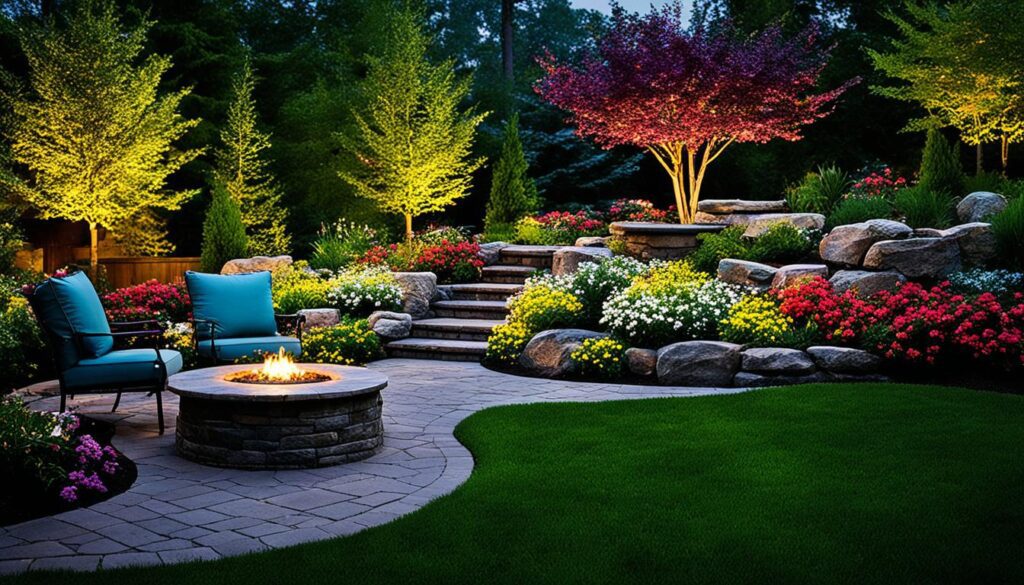
In today’s fast-paced world, outdoor spaces are becoming more important than ever. They serve as a natural escape from screens, stress, and confinement. Yet, creating a meaningful and functional outdoor environment requires more than planting flowers or laying grass. It takes thoughtful design, careful planning, and a holistic understanding of how people interact with natural elements. This is where the art and science of outdoor space transformation comes in. By approaching it with intention and care, anyone can turn an empty plot into a vibrant, dynamic, and restorative sanctuary.
The idea of designing outdoor environments isn’t just about appearances—it’s about improving quality of life. A well-structured yard or garden can be therapeutic, environmentally beneficial, and even economically smart. It’s no longer enough to have a backyard; people want their outdoor areas to serve multiple purposes—relaxation, entertainment, play, sustainability, and even food production.
The Emotional Impact of Outdoor Design
Nature has always had a calming effect on the human mind. Studies show that spending time outside reduces stress, improves mood, and enhances cognitive function. Green spaces support mindfulness and allow for reflection, while movement through outdoor pathways can encourage physical activity in a way that feels effortless and enjoyable.
Designing for emotion involves more than planting beautiful flowers. It includes elements like:
- Soundscapes: Gentle water features or wind through trees
- Fragrance: Aromatic herbs or fragrant flowering plants
- Texture: Combining soft grass with rough stone or bark mulch
- Light: Leveraging natural sunlight and adding ambient outdoor lighting
Each component should contribute to a sense of calm and wellness, inviting the user into a multisensory experience that resets the body and mind.
Planning Outdoor Design: Where Function Meets Creativity
Creating a successful outdoor space starts with thoughtful planning. It’s not just about what looks good—it’s about how the space is going to be used.
1. Understand the User’s Needs
Design should always begin with the user in mind. Do they entertain guests frequently? Is there a need for child-friendly features? Is the space for gardening, relaxing, cooking, or meditation? Each answer will shape the design choices.
2. Segmenting the Space
Dividing an outdoor area into different functional zones adds both purpose and flow. For example:
- A dining zone with seating and shade
- A garden space for herbs and vegetables
- A lounge area with a fire pit or hammock
- A play zone with grass or soft material for children
Segmentation helps create a more dynamic and efficient use of the area. It’s also visually pleasing, guiding the eye from one “room” to another, just like in interior design.
3. Balancing Elements
Outdoor design should consider symmetry, texture, color, and movement. These are the same principles used in art and architecture. A symmetrical layout may create a formal atmosphere, while asymmetry feels more relaxed and natural.
Contrast is essential—soft foliage next to hard stone, warm wood against cool steel, or lush greenery surrounding a minimalist bench. When done thoughtfully, contrast brings depth and character to a space.
Materials Matter
Choosing the right materials can define the mood and longevity of an outdoor space. It’s not only about looks but also practicality.
- Natural Stone: Durable, timeless, and excellent for pathways or patios
- Wood: Offers warmth and texture but needs proper treatment for outdoor use
- Gravel or Pebbles: Low-maintenance and effective for drainage
- Concrete: Versatile and customizable, but can appear harsh if not softened with plants or design
The best outdoor designs often combine materials in a way that suits the climate, use case, and overall design intention.
Sustainable Design for the Future
Sustainability has become a crucial factor in outdoor planning. More people are choosing options that conserve resources, reduce waste, and support local ecosystems.
- Rain Gardens: These help manage stormwater runoff and recharge groundwater.
- Native Plants: They thrive without excessive water or chemical fertilizers.
- Composting Areas: Turn kitchen and yard waste into rich soil for gardening.
- Permeable Paving: Allows water to soak into the ground instead of running off into drains.
Sustainability also means choosing low-maintenance options that use fewer fossil fuels and chemicals. A well-designed yard should be not only beautiful but also kind to the earth.
The Importance of Plant Selection
Plants are the soul of any outdoor space. They bring color, movement, life, and seasonal change. But plant selection is more than picking what looks nice. It must be strategic.
- Layering: Arrange plants by height and type—trees, shrubs, perennials, and ground covers.
- Seasonal Interest: Choose a mix of plants that offer blooms, berries, or foliage across different seasons.
- Pollinator-Friendly Choices: Supporting bees, butterflies, and birds brings ecological benefits and visual delight.
It’s also important to consider maintenance levels. Some plants require frequent pruning, fertilizing, or pest control. Others can be left alone with minimal care. The ideal combination includes a mixture of both.
Outdoor Structures and Furniture
Outdoor spaces are more livable with the addition of structural elements. These might include:
- Pergolas or gazebos for shade and shelter
- Outdoor kitchens or grills for entertainment
- Benches or swings for comfort
- Fire pits or fireplaces for warmth and ambiance
Furniture should be weather-resistant and fit the overall aesthetic. Color, shape, and texture matter just as much outdoors as they do indoors.
Incorporating structures also helps extend the use of the space into different seasons. Shade allows use in summer, and fire features make fall and even winter evenings comfortable.
Lighting and Atmosphere
Lighting is often an afterthought in outdoor design, but it plays a powerful role in usability and mood.
- Path Lights: Ensure safety while walking at night
- Accent Lights: Highlight sculptures, trees, or water features
- Overhead Lighting: Helps in seating or dining areas
- Ambient Glow: Fairy lights or lanterns can create a magical atmosphere
The right lighting scheme allows the space to function from day to night and encourages outdoor activity long after sunset.
Maintenance and Longevity
Design is just the beginning. Without proper care, even the best-planned spaces can fall into disrepair. This is where landscaping professionals often provide value—by maintaining plant health, replacing worn-out materials, and upgrading features as needed.
Smart outdoor design includes long-term planning:
- Will trees become too large or invasive?
- Is there enough space for plants to grow?
- Are drainage and irrigation systems set up properly?
These considerations protect your investment and ensure enjoyment for years to come.
Making the Investment Worthwhile
An outdoor space is more than a backyard—it’s an extension of your home and your life. Investing in thoughtful, well-executed design adds value not just to the property but to daily living. Families gather more often. Stress fades faster. Creativity flourishes in peaceful surroundings.
Whether done DIY or with the help of professionals, crafting outdoor spaces should be viewed as a long-term lifestyle choice. The benefits reach beyond aesthetics—they contribute to mental health, social connection, environmental sustainability, and even financial equity.
For those looking to create something truly special, considering the role of professional landscaping can be the first step toward achieving a personalized oasis. With careful planning and attention to detail, outdoor environments become as meaningful and memorable as any interior room.
Final Thoughts
Outdoor design is no longer a luxury—it’s a necessity in the modern world. With the right mindset and approach, anyone can shape their yard or garden into a space that nurtures the soul and serves a purpose.
Whether you’re just starting to explore the potential of your outdoor space or already deep into a renovation, remember that landscaping is about more than curb appeal. It’s about intention, experience, and a deeper connection to the world around you. And when that’s the foundation, the results are always beautiful.