
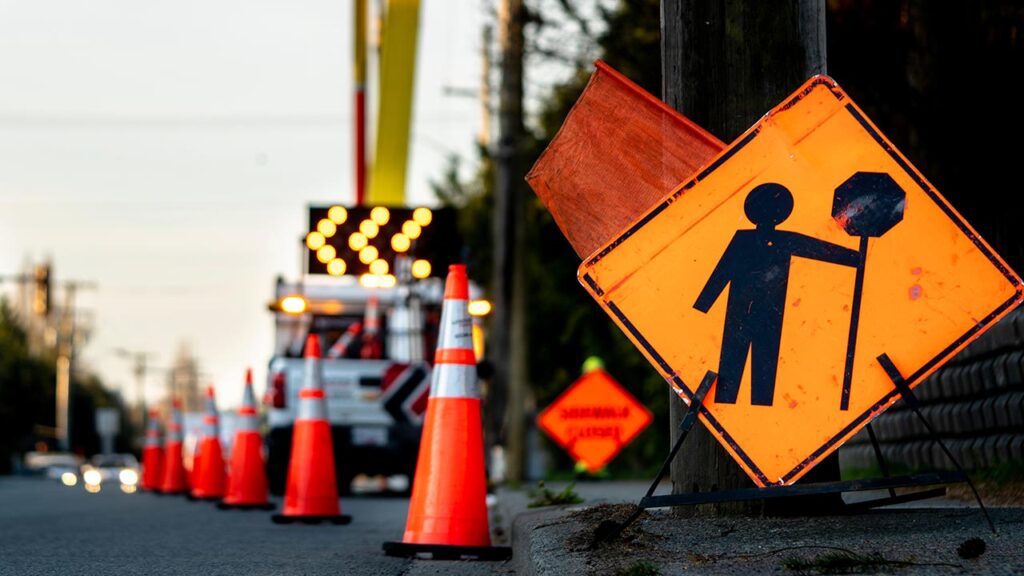
In urban environments or construction zones with lots of activity, traffic control plays a vital role in ensuring pedestrian and worker safety. The consequences of accidents involving cars and people are severe, so it is vital to implement safety measures. Traffic control strategies are effective when they use barricades to manage traffic flow, signs, and well-trained personnel.
By implementing best practices, companies, municipalities, and construction teams can create safer road environments by adhering to traffic management. This article explores traffic control and safety equipment.
Best Practices For Traffic Control Safety
- Use Traffic Barricades To Define Safety Zones
Traffic barricades, which create physical barriers between pedestrians and vehicles, are an effective way to protect workers and pedestrians. These barricades serve multiple purposes, including:
- Redirecting traffic away from work areas
- Clearly marking pedestrian pathways
- Stopping unauthorized access in restricted areas
- Enhancing visibility of hazards and alerting drivers
Traffic barricades take many different forms, including concrete barriers or plastic water-filled barriers. The choice of type is based on a site’s particular needs and the level of protection required.
- Implement Clear And Visible Signage
Proper signage is essential to effective traffic management. Signs should be strategically placed to inform pedestrians and drivers about potential hazards, speed limits, and detours.
Some of the best practices in signage include:
- Reflective or illuminated signs can help you to be seen at night.
- Place warning signs far in advance before the construction site or other high-risk areas
- Consistency of message to avoid confusion
- Signs in multiple languages are included for the benefit of diverse populations.
The combination of signs and traffic barricades will ensure that drivers and walkers are aware and can navigate safely.
- Designate Safe Pedestrian Pathways
Pedestrians should be able to navigate safely around busy roadways and construction zones. Barricades, cones, or fences can separate pedestrian paths from vehicle lanes.
Best practices in pedestrian safety include
- ADA (Americans with Disabilities Act), a set of regulations, requires the creation of accessible walkways.
- Avoid obstructions on the paths, such as loose or twisted wires, uneven pavement, and debris.
- Where necessary, crosswalks can be temporarily installed, and pedestrian signals can be used.
- Placing caution signs at entrance points can alert pedestrians to possible hazards.
Without designated pathways, pedestrians might unknowingly walk through unsafe areas, increasing the risk of accidents.
- Train Workers On Traffic Control Procedures
Construction workers and road workers play a key role in traffic. It is important that they are properly trained to handle emergencies, direct traffic, and set up traffic control equipment.
Included in the list of essential topics is:
- Correct placement of traffic cones
- Communication methods for pedestrians, drivers, and cyclists
- Emergency response protocols in the case of an incident
- The use of personal protective equipment, such as high-visibility vests
Regular training sessions can help workers keep up with the latest best practices on site and improve safety.
- Utilize Traffic Control Personnel And Flaggers
Traffic control staff, like flaggers in high-risk locations with heavy traffic, is essential to guide both vehicles and pedestrians safely. Their job involves:
- Hand signals for traffic direction in real-time
- Controlling pedestrian movement at busy intersections
- Construction coordination with other teams ensures a smooth construction workflow
To ensure maximum effectiveness, traffic control personnel should be positioned at key intersections between vehicle and pedestrian traffic.
- Monitor And Adjust Traffic Control Measures
Traffic control cannot be set up once and then left alone. It must be constantly monitored and adjusted to changing conditions. Factors like weather, time, and construction progress can impact safety measures.
Monitoring best practices include:
- Conducting regular site visits to inspect the placement of traffic barricades and signage
- Traffic flow can also be monitored by on-site personnel or surveillance cameras
- Listening to workers and pedestrians for feedback about potential hazards
- Adapting to traffic conditions as necessary
In order to maintain a safer environment, organizations should continuously evaluate traffic control methods.
Conclusion
For pedestrians to be protected, there must be a strategic plan, the right equipment, and constant monitoring. Traffic barricades, signage, and properly trained personnel can play an important role in ensuring the safety of pedestrians in high-risk locations. Businesses and municipalities that implement clear pathways, educate workers, and monitor conditions regularly can reduce accidents.
These best practices, whether for construction, special events, or urban traffic, provide the foundation for safer workplaces and roads. Prioritizing pedestrians’ and workers’ safety can prevent accidents and improve the efficiency and image of any project.