
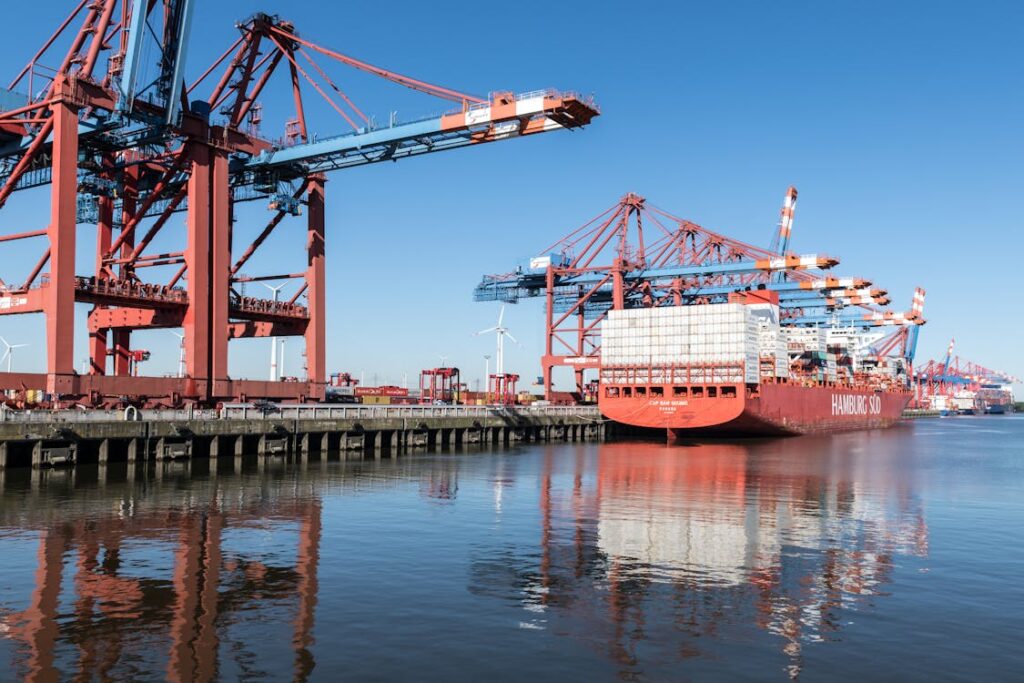
Globally trading companies depend on the analysis of export import data and customs data. This analysis offers insightful perspectives on competitor environments, demand and supply dynamics, and market trends. Understanding these data elements helps businesses decide how best to maximize their operations, lower risks, and seize fresh opportunities. This article explores some of the best approaches for efficiently examining export import data to improve your company strategies.
1. Appreciate HS Codes’ Significance
The foundation of world trade is the Harmonised System (HS) codes. These codes let companies know the kind of things being sold by classifying items for statistical and customs uses. These ideas help you to properly use HS codes:
Make sure your products are correctly classified; misclassification could cause delays, fines, or compliance problems. Review your HS codes once more using most recent World Customs Organization (WCO) revisions.
Research Markets using HS Codes: Examine import and export statistics broken out by HS codes to spot trends particular to products. This will enable you to know whether goods face import limitations in some countries or are highly sought after.
2. Analyze Markets Using Trade Database
Making wise decisions depends on access to correct trade data. Government databases, industry reports, and specialized trade analysis systems among other tools offer import and export statistics. Among the popular sources are:
- UN Comtrade: An extensive worldwide trade database providing specific trade flow data by nation, good, and year.
- WITS—World Integrated Trade Solution—of the World Bank: provide access to trade and tariff statistics from many international agencies.
- Border Protection Websites and Customs: Many nations provide official databases including current import and export records. These will let you compile particular transaction volume, value, and partner information.
Advice for Maximum Use:
- Sort data by region. Pay special attention to areas where your intended markets are found. This will enable you to spot regional trade deals and development prospects that could advance your company.
- Look at export import data over multiple years to identify consistent patterns and shifts in trade dynamics, rather than focusing on data from a single year.
3. Review Competitors
Examining import and export statistics of your rivals can provide insightful analysis of their policies including favored markets, product diversification, and pricing schemes. Use this information as follows:
- Analyze export quantities to find Top Competitors in your sector; this will help you to decide which companies rule your field. This might help you to understand your primary rivals in many different areas.
- Examine rival supply chains. Find out from import statistics where your rivals obtain their raw supplies. This can assist in your own supply chain optimization and possible supplier identification.
4. Apply instruments for data analytics
The sheer number of trade data accessible can be deluging. Data analytics tools will enable you to more quickly get useful information. Visualizing trade data and spotting trends can be much aided by tools including Microsoft Power BI, Tableau, and Python libraries (e.g., Pandas, Matplotlib). Here’s how to get going:
- Before analysis, make sure your data is clean and correctly structured. Eliminate duplicates, complete missing values, and standardize data to guarantee consistency.
- Use visual tools to improve your grasp of data patterns. Heat maps, for instance, can display export quantities by area, while line charts show changes across time.
- Make use of predictive analytics: Foretell future trends using machine learning techniques grounded on past data. Forecasting demand, pricing, and market conditions is especially where this may be quite helpful.
5. Give trade agreements and tariff data top priority
Your export-import policies will be much changed by knowledge of trade agreements and tariff systems. Many times, nations have free trade agreements (FTAs), which lower tariffs on specific goods, therefore providing a competitive advantage. Use this information as follows:
- Determine preferred tariff rates: Exporting to nations with cheaper tariffs for your goods will help you to lower costs using FTAs. Investigate tariff rates using tools like the International Trade Centre’s Market Access Map.
- Track changes in trade policies: Keep informed on changes in trade policies like further tariffs, sanctions, or trade limits. This will assist you to modify your plans and prevent possible disturbances.
6. Analyze demand cycles and seasonality
Understanding seasonality in global trade can help you optimize your inventory, supply chain, and marketing efforts. For example, certain products may have higher demand during specific seasons or holidays, which can affect export import data.
Tips for Analyzing Seasonality:
- Use Historical Data: Analyze past customs data to identify patterns in demand cycles. This can help you forecast sales and plan your inventory more effectively.
- Adjust Shipping Schedules: Align your shipping schedules with peak demand periods to maximize profits and reduce storage costs.
- Plan for Lead Times: Consider the lead time required for shipping and customs clearance when planning for seasonal demand.
7. Review Economic Reports
Trade dynamics can be affected by economic data including GDP development, inflation rates, and exchange values. Monitoring these markers will enable you to forecast changes in market conditions that can influence your import and export operations.
- Watch Exchange Rates: Your profit margins may suffer depending on changes in exchange rates. Use currency hedging or forward contracts to reduce the risk connected to fluctuating currencies.
- Analyze GDP and Consumer Spending: The market potential of a nation can be deduced from its GDP increase and consumer spending patterns. For your export policies, concentrate on nations showing great economic performance.
8. Use Blockchain for Openness.
By means of openness, security, and data management efficiency, blockchain technology is transforming world trade. For export-import transactions, blockchain use can provide the following advantages:
- Improved Traceability: Track goods’ cross-border real-time movement to guarantee international rule compliance.
- Maintaining an unchangeable ledger of transactions will help to prevent data corruption and fraud.
- Smart contracts will help you to automatically complete trade documentation, therefore cutting administrative expenses and paperwork.
9. Think on cultural and legal variances.
When analyzing export import data, it’s essential to consider the cultural and regulatory landscape of the target market. Different countries have varying regulations, customs procedures, and cultural preferences that can impact trade.
Advice for Managing Regulatory Variations:
- Perform compliance checks: Make sure your goods satisfy your target markets’ legal requirements. This covers safety certifications, product labels, and quality criteria.
- Localize Your Products and Services Customize your goods and marketing plans to fit local taste. This can raise your prospects of success abroad.
10. Remain Current on World Trade Patterns
Changing consumer behavior, geopolitics, and technology are all driving ongoing evolution in global trade. Keeping current on the newest trends will enable you to remain competitive and change with the times.
- Subscribe to trade magazines, bulletins, and industry reports to keep current on the most recent advancements in world commerce.
- Trade conferences, webinars, and networking events will help you to learn from peers and industry professionals.
Analyzing export import data and customs data is a powerful tool for companies looking to expand their global footprint. By leveraging the right data sources, analytical tools, and strategies, you can gain a competitive edge, optimize your supply chain, and tap into new markets. Whether you are just starting in global trade or are a seasoned exporter, the tips outlined above can help you navigate the complexities of international commerce and drive your business success.
These techniques will help you transform raw trade data into actionable insights that drive growth, enhance decision-making, and maximize profitability in the ever-changing landscape of global trade.