
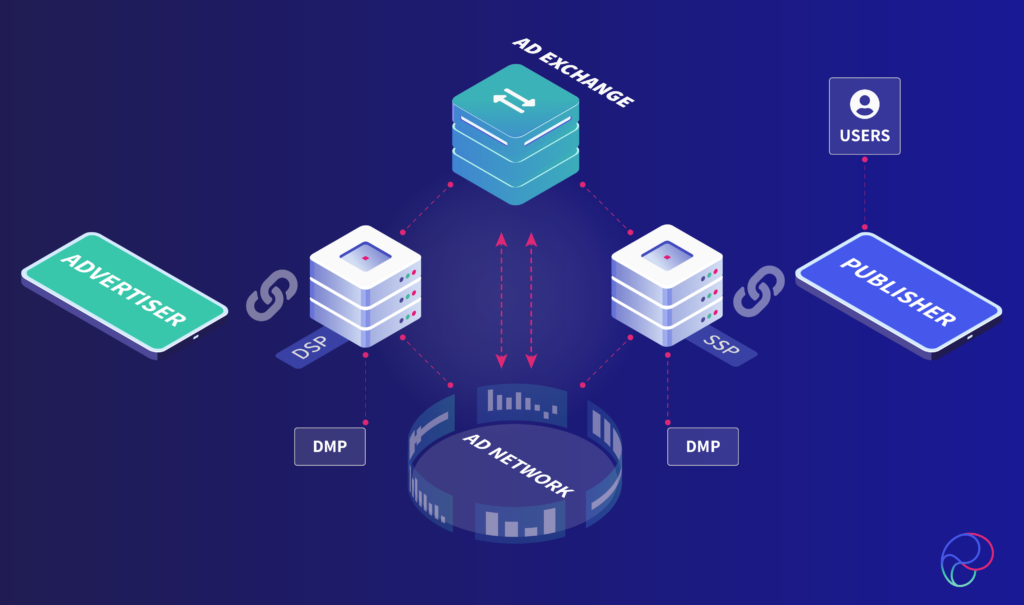
Are you done with ad networks dictating terms, leaving you with minimal revenue and no control? There’s a shift happening in digital advertising that will empower you. Welcome to the era of self-serve advertising platforms—where marketers and publishers alike are bypassing the middleman to take full control. These platforms are transforming the advertising landscape, offering unprecedented flexibility, cost-effectiveness, and detailed control that traditional agencies can only imagine.
Explanation of Self-Serve Ad Platforms
Self-serve ad platforms have democratized advertising, directly linking publishers and advertisers. This direct connection eliminates the need for intermediaries, streamlining the process and reducing costs. Making use of technologies like programmatic advertising and real-time bidding (RTB) ensures efficient ad delivery and optimal performance.
Overview of Self-Serve Advertising
- For publishers:
Self-serve ad platforms open new opportunities for publishers. By taking control of their ad inventory and pricing, publishers can maximize revenue potential and achieve greater financial independence. These platforms streamline operations, automating time-consuming tasks such as ad unit creation and placement, allowing publishers to focus on other business functions.
The data-driven insights of self-serve platforms enable publishers to make informed decisions, optimize their advertising strategies, and drive continuous growth.
- For advertisers:
Advertisers benefit immensely from self-serve platforms. With granular targeting capabilities, they can reach their ideal audience segments with laser precision, ensuring that the most relevant consumers see their ads. This results in higher engagement rates, increased conversions, and a greater return on investment.
Additionally, self-serve platforms offer real-time campaign management and transparent reporting, so advertisers can monitor performance, make data-driven adjustments, and optimize their campaigns for maximum effectiveness.
Benefits of Self-Serve Platforms for Publishers
- Maximizing Ad Revenue
Utilizing header bidding, where multiple ad exchanges bid for ad impressions, secures the highest bids and boosts revenue - Efficiency and Cost Reduction
Automating tasks, like ad unit creation and placement, frees resources for content creation and other vital activities. Without intermediaries, operational costs decrease, and ad revenue retention increases. - Unmatched Flexibility and Control
Smooth integration with existing ad tech stacks, along with user-friendly campaign and inventory management interfaces, grant publishers greater advertising strategy control. - Enhanced Campaign Management and Data-Driven Decisions
With detailed targeting options, publishers can present highly relevant ads, increasing engagement and ad revenue. Highly reliable analytics and reporting tools provide invaluable real-time and historical data, enabling the ongoing optimization of ad strategies.
Key Features to Look for in a Self-Serve Ad Platform
It’s vital to select the right platform to maximize the benefits of self-serve advertising, so look for these essential features:
- Intuitive User Interface: Facilitates campaign management, ensuring even those without extensive technical expertise can effectively create and optimize ads.
- Advanced Targeting Capabilities: Enables granular audience targeting options, allowing advertisers to reach the right people with the right message at the right time.
- Robust Analytics and Reporting: Comprehensive dashboards provide detailed insights into campaign performance, which are vital for data-driven decision-making.
- Seamless Integrations: Compatibility with popular marketing tools and ad networks simplifies workflows and enhances campaign management.
- Transparent Pricing Models: Clear and transparent pricing structures help avoid hidden fees or unexpected costs.
Challenges and Considerations
While self-serve digital ad platforms offer numerous advantages, it’s sensible to consider the potential challenges. Local publishers, for instance, may face increased competition from international brands with larger budgets. To succeed in this landscape, publishers need to focus on niche audiences, develop unique value propositions, and leverage the powerful tools offered by self-serve platforms to stand out from the crowd.
Top Self-Serve Ad Platforms for Publishers in 2024
Zeeto
For publishers seeking a sophisticated approach to monetizing their web properties, Zeeto presents a compelling solution. By harnessing the power of AI-driven audience insights, Zeeto enables publishers to connect with advertisers seeking high-intent, engaged customers known as Yes Prospects. This mutually beneficial relationship delivers enhanced ad revenue for publishers and qualified leads for advertisers.
- Overview and Unique Selling Proposition
Zeeto’s unique value proposition focuses on quality over quantity, delivering leads who have expressed genuine interest in specific products or services. This approach ensures that advertisers reach the right audience, resulting in higher engagement and conversion rates, while publishers benefit from increased CPMs and overall revenue growth. - Key Features and Tools
Zeeto offers a comprehensive suite of features and tools designed to empower publishers:
- Self-Serve Platform: Zeeto’s intuitive interface gives publishers complete control over their monetization strategies. They can easily manage campaigns, track performance, and make data-driven decisions to optimize their revenue streams.
- AI-Driven Audience Insights: Zeeto’s proprietary AI technology gathers in-depth audience data through smart surveys, ensuring advertisers connect with the most relevant consumers. This translates to higher-quality leads and increased ad revenue for publishers.
- Customizable Ad Placements: Publishers can tailor the placement and format of their ads to seamlessly integrate with their website’s design and user experience. This flexibility allows for greater control over ad presentation and ensures a positive user experience.
- Dedicated Account Management: Zeeto provides personalized support from experienced account managers who work collaboratively with publishers to develop and execute effective monetization strategies.
- Target Audience and Ad Format Capabilities
Zeeto primarily focuses on direct-to-consumer (D2C) campaigns across various industries. Its flexible platform allows for multiple ad formats, including on-site display ads, ensuring maximum engagement without disrupting the user experience. - Pricing Structure
Zeeto operates on a revenue share model, meaning publishers incur no upfront costs or commitments. This structure aligns the interests of publishers and advertisers, as Zeeto only generates revenue when publishers succeed. The revenue share percentage is determined in collaboration with the publisher’s account manager, ensuring a fair and mutually beneficial partnership. - Pros and Cons
Pros:
- Higher CPMs and increased revenue potential.
- Increased ad relevance leading to higher engagement.
- Granular control over ad placements and monetization preferences.
- Dedicated account manager for personalized support.
- No upfront costs or commitments.
Cons:
- Currently limited to U.S.-based traffic.
- Success may depend on website niche and audience size.
- Success Stories
Tibrio, the highest-volume publisher on the Zeeto platform, exemplifies the platform’s effectiveness. Through Zeeto, Tibrio has achieved remarkable results, generating over $30.4M in gross revenue, 132.5M total impressions, and 59.4 million total conversions. This success story demonstrates how publishers can leverage Zeeto’s AI-driven insights and targeted approach to increase their ad revenue and overall performance significantly.
MediaAlpha
MediaAlpha provides publishers with advanced data-driven solutions to maximize revenue from their website visitors. Their platform leverages sophisticated algorithms and machine learning to identify high-intent shoppers, even those who don’t convert or have low lifetime value. This enables publishers to generate additional revenue streams while enhancing the overall user experience.
- Overview and Unique Selling Proposition
MediaAlpha’s unique value proposition lies in its data-driven approach to monetization. Their platform utilizes predictive analytics and machine learning to assess the potential of each website visitor, allowing publishers to identify high-intent shoppers, monetize non-converting visitors and increase revenue from low-lifetime-value shoppers. - Key Features and Tools
MediaAlpha offers a comprehensive suite of features and tools designed to empower publishers:
- Unified Inventory Management: Manage all your ad inventory from a single platform, ensuring optimal utilization and yield.
- Demand Management: Access a diverse network of high-quality advertisers seeking to reach your audience.
- Predictive Analytics: Gain real-time insights into visitor behavior and purchase intent, enabling data-driven decision-making.
- Yield Optimization: Optimize ad placements and targeting strategies to maximize revenue from every visitor.
- Real-Time Insights: Track campaign performance and make adjustments on the fly with detailed reporting and analytics.
- Target Audience and Ad Format Capabilities
MediaAlpha’s solutions are tailored to publishers across various industries. These include e-commerce websites looking to generate additional revenue from non-converting visitors, informational websites aiming to increase earnings through targeted advertising self-service campaigns, and lead generation platforms seeking to monetize their audience by connecting them with relevant brands and advertisers.
The platform supports a variety of ad formats to cater to diverse needs. These include display ads like banner ads, native ads, and rich media ads, as well as video ads (both in-stream and out-stream) and sponsored content that seamlessly integrates with your website’s existing content.
- Pricing Structure
MediaAlpha offers a flexible pricing structure that aligns with your needs and budget. They work with publishers on a revenue-sharing model, ensuring both parties benefit from success. - Pros and Cons
Pros:
- Data-driven approach to monetization.
- Identification and monetization of high-intent shoppers.
- Increased revenue from non-converting visitors.
- Optimized ad placements and targeting strategies.
- Real-time insights and reporting.
Cons:
- Requires integration with MediaAlpha’s platform.
- May not be suitable for all publisher types.
- Success Stories
MediaAlpha has a proven track record of success in helping publishers increase their revenue. It recently helped a leading e-commerce website generate an additional $2 million in revenue from non-converting visitors.
Ifficient
Ifficient’s self-serve ad network offers a powerful solution for publishers seeking to generate high-quality leads and boost revenue through targeted advertising campaigns.
- Overview and Unique Selling Proposition
Ifficient caters to both advertisers and publishers, enabling effortless connections between those seeking targeted leads and those with valuable website traffic. Its unique selling proposition lies in its end-to-end lead generation capabilities, from acquisition and validation to delivery. - Key Features and Tools
Ifficient offers a suite of tools designed to optimize lead generation for publishers:
- Lead Generation Expertise: Ifficient’s team has a wealth of experience in lead generation, ensuring publishers maximize the value of their traffic.
- Customizable Campaigns: Publishers can tailor their campaigns to specific audiences and goals, ensuring maximum relevance and effectiveness.
- Advanced Targeting: Ifficient’s platform leverages sophisticated targeting capabilities to reach the most qualified leads, increasing conversion rates and driving ROI.
- Comprehensive Analytics: Campaign performance can be tracked and analyzed with in-depth reporting andvaluable insights to optimize strategies.
- Flexible Integrations: It can be effortlessly integrated with your existing CRM or ESP to streamline lead management and follow-up.
- Target Audience and Ad Format Capabilities
Ifficient serves various industries, including finance, insurance, healthcare, education, and more. Its platform supports various ad formats, including email marketing, pay-per-call, web and app monetization and push notifications. - Pricing Structure
Ifficient operates on a pay-for-performance basis, meaning publishers only pay for qualified leads or desired actions, aligning their interests with advertisers for mutual success. - Pros and Cons:
Pros:
- Performance-based pricing model.
- Expertise in lead generation.
- Customizable campaigns for targeted audiences.
- Advanced targeting capabilities.
- Comprehensive analytics and reporting.
Cons:
- Focus primarily on lead generation, may not be suitable for all publisher needs.
- Limited information on the website about the technology and specific features.
Emerging Trends in Self-Serve Advertising for Publishers
Let’s explore the most promising trends that are set to transform how publishers are approaching self-serve advertising in 2024, which is set to continue in the years that follow:
AI and Machine Learning Enhancements
AI is revolutionizing how self-serve platforms operate. This translates to:
- Hyper-Targeted Ads: Advanced AI algorithms sift through extensive data to pinpoint ideal audience segments, ensuring that ads reach the right people at the right time.
- Automated Optimization: The hassle of manual campaign adjustments is eliminated as AI dynamically fine-tunes bids, placements, and creative elements in real time, maximizing revenue potential.
- Predictive Insights: Beyond traditional reporting, AI-powered analytics forecasts future trends and user behaviors, enabling proactive strategic planning.
Integration with Content Management Systems (CMS)
Integrating self-service advertising platforms with popular CMS platforms simplifies content creation and ad placement workflows. Here’s what it means:
- Streamlined Workflows: Forget manual ad setups and switching between platforms. CMS integration makes managing ads easy, saving you time and effort.
- Content & Ad Synergy: Let AI find the best spots for your ads, boosting earnings without hurting the user experience.
- Simplified Optimization: With just a few clicks in your CMS, A/B test different ads and placements to see what works best with your content.
Privacy and Data Protection Features
As data privacy concerns grow, publishers must prioritize protecting their users’ information. Modern self-serve platforms offer features to help you do just that:
- Consent Management: Easily implement tools to get user consent for data collection and usage.
- Data Anonymization: Protect user identities by removing or masking personally identifiable information.
- Compliance: Stay ahead of evolving data privacy regulations with built-in features and guidance from your ad platform.
Real-Time Analytics and Reporting Tools
Self-serve platforms invest heavily in developing advanced analytics and reporting tools that provide actionable insights. Newer analytics tools within self-serve platforms offer:
- Granular Insights: Go beyond basic metrics—track impressions, clicks, conversions, and more, all in real-time.
- Actionable Recommendations: Receive AI-powered suggestions for optimizing your campaigns based on your data.
- Revenue Optimization: Make data-driven decisions to maximize your ad revenue and ensure your strategies continuously improve.
Final thoughts
The bottom line? If you’re tired of playing by the old advertising rules, it’s time for a change. A self-service ad solution is the game-changer you’ve been waiting for. Give up the middleman, take control of your destiny, and access the full revenue potential of your website.
Forget settling for average results with outdated strategies. Book a Zeeto demo today and step into a smarter, more rewarding way to monetize your website.