
Selecting the right roofing material is one of the most critical decisions homeowners face when installing a new roof or replacing an old one, notes leading property management expert, Allegiant Property Management & Real Estate company. The roofing material you choose affects not only the appearance of your home but also its durability, energy efficiency, and value. Each material has unique benefits and considerations, from traditional asphalt shingles to more specialized options like metal or clay tiles.
For homeowners seeking guidance, companies like Pinnacle Roofing Group can help navigate the many choices available. Here’s a breakdown of the most popular roofing materials, their advantages, and factors to consider when choosing the best option for your home.
1. Asphalt Shingles: The Popular Choice
Asphalt shingles are one of the most widely used roofing materials due to their affordability, versatility, and easy installation. They come in a variety of colors and styles, allowing homeowners to achieve the look they want without breaking the bank. Additionally, asphalt shingles are relatively low-maintenance and can last 15-30 years, depending on the quality and climate.
Pros and Cons of Asphalt Shingles
- Pros:
- Affordable and widely available
- Easy to install and replace
- Available in many styles and colors
- Cons:
- Shorter lifespan compared to other materials
- Prone to wind and hail damage in extreme weather
- May absorb more heat, affecting energy efficiency
Asphalt shingles are a solid choice for homeowners seeking a budget-friendly, versatile option. However, they may require more frequent maintenance in areas with harsh weather.
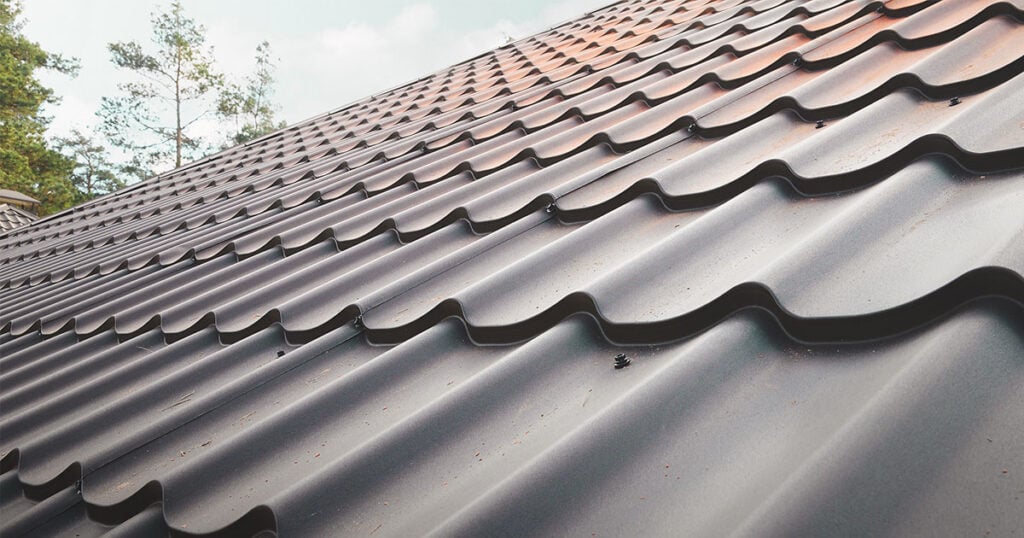
2. Metal Roofing: Durable and Energy-Efficient
Metal roofing has gained popularity for its durability, energy efficiency, and modern appearance. Typically made from steel, aluminum, or copper, metal roofs can last 40-70 years, making them an excellent long-term investment. Metal roofs reflect solar heat, which helps lower cooling costs, especially in warm climates.
Pros and Cons of Metal Roofing
- Pros:
- Long lifespan and excellent durability
- Highly energy-efficient, reflecting heat and reducing cooling costs
- Available in various styles, including panels and shingles
- Cons:
- Higher upfront cost than asphalt shingles
- Can be noisy during rain or hail without added insulation
- Requires professional installation due to complexity
Metal roofing is ideal for homeowners looking for a resilient, energy-efficient option that will stand up to the elements, especially in areas prone to extreme weather.
3. Clay and Concrete Tiles: Classic and Long-Lasting
Clay and concrete tiles are often used on homes with Mediterranean or Spanish-style architecture, but they can add character to any home. These tiles are exceptionally durable, resistant to fire, and can last for 50-100 years. While clay tiles tend to be more expensive and fragile than concrete, both materials provide excellent insulation and longevity.
Pros and Cons of Clay and Concrete Tiles
- Pros:
- Long-lasting, often outlasting other materials
- Fire-resistant and excellent insulation properties
- Adds a unique, upscale appearance to homes
- Cons:
- Heavy material requires reinforced roof framing
- Higher upfront cost, especially for clay tiles
- May crack in freezing temperatures if not properly maintained
Clay and concrete tiles are ideal for homeowners seeking a distinctive look and long-term durability, though they may require additional structural support.
4. Slate Roofing: Elegant and Extremely Durable
Slate roofing is one of the most durable materials available, with a lifespan of 75-200 years when properly maintained. Known for its natural, elegant appearance, slate adds a premium touch to any home. It is fire-resistant, environmentally friendly, and can handle extreme weather with ease. However, slate is also one of the heaviest and most expensive roofing materials, often requiring additional structural support.
Pros and Cons of Slate Roofing
- Pros:
- Very long lifespan, potentially lasting over a century
- Highly resistant to fire, wind, and hail
- Adds a luxurious, timeless look to any home
- Cons:
- One of the most expensive roofing materials
- Heavy, requiring extra support in the roof structure
- Installation requires a specialized contractor
For homeowners looking for a long-lasting, high-end roof with classic appeal, slate roofing is an excellent, though premium-priced, option.
5. Wood Shakes and Shingles: Natural and Rustic
Wood shakes and shingles are often chosen for their natural, rustic look, which enhances the charm of various architectural styles. Made from cedar, redwood, or pine, wood roofs typically last around 20-40 years with proper maintenance. Wood is a good insulator and can be treated for added fire resistance.
Pros and Cons of Wood Shakes and Shingles
- Pros:
- Unique, natural appearance that weathers beautifully over time
- Provides natural insulation, helping with energy efficiency
- Can be treated to improve fire resistance
- Cons:
- Requires regular maintenance to prevent mold, rot, and insect damage
- Higher susceptibility to fire without treatment
- Shorter lifespan compared to slate or metal
Wood shakes and shingles are an excellent choice for homeowners who value natural aesthetics and are willing to perform regular maintenance to preserve the material’s beauty.
6. Synthetic Roofing: Modern and Versatile
Synthetic roofing materials, such as rubber, plastic, or polymer, are designed to mimic the appearance of natural materials like slate or wood shakes while providing enhanced durability. These materials are often lightweight, easy to install, and offer impressive longevity. They are also environmentally friendly, as many synthetic options are made from recycled materials.
Pros and Cons of Synthetic Roofing
- Pros:
- Often more affordable than natural materials
- Lightweight, requiring less structural support
- Resistant to weather damage and available in many styles
- Cons:
- Less proven durability compared to traditional materials
- May require a specialized installer
- Can be more expensive than asphalt but cheaper than slate or metal
Synthetic roofing is a great option for homeowners looking for versatile, affordable, and eco-friendly materials that offer a balance between appearance and durability.
How to Choose the Right Roofing Material for Your Home
When deciding on a roofing material, it’s essential to consider factors like climate, budget, maintenance needs, and the architectural style of your home. Each material offers unique benefits that can enhance the longevity, energy efficiency, and curb appeal of your property.
Key Questions to Ask
- What’s the Expected Lifespan? The longevity of each material varies, so consider how long you plan to stay in the home.
- What’s the Initial Cost and Long-Term Value? While some materials have higher upfront costs, their long lifespans and low maintenance can provide better long-term value.
- Does the Material Suit the Climate? Certain materials are better suited for specific climates, such as metal roofs for areas with heavy rain or snow.
By understanding your priorities and budget, you can select a roofing material that complements your lifestyle and home’s specific needs.
Conclusion: Finding the Perfect Fit for Your Roof
Choosing the right roofing material involves balancing style, durability, and budget. From the affordability of asphalt shingles to the elegance and longevity of slate, each material offers distinct advantages. With guidance from professionals like Pinnacle Roofing Group, homeowners can explore their options, consider their home’s specific requirements, and select a material that enhances both functionality and curb appeal.
Investing in the right roofing material not only protects your home but also adds value and peace of mind for years to come. By carefully considering your options, you’ll find a roofing solution that meets your needs, stands up to your climate, and complements the beauty of your home.
Read More From Techbullion