
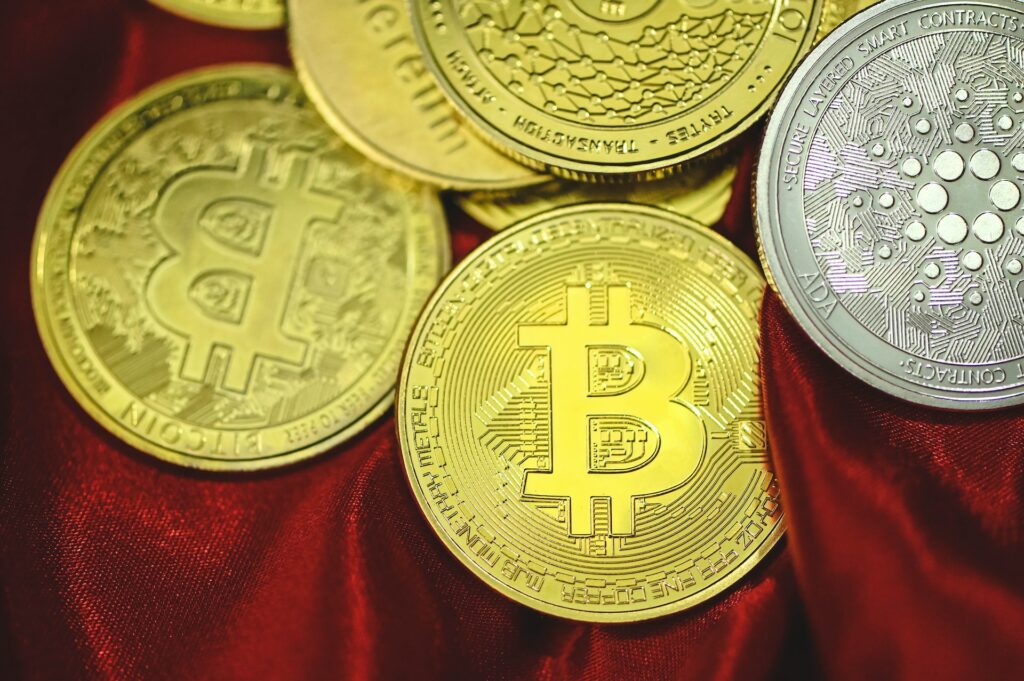
In the cryptocurrency sector, knowing how to swap tokens appears to be a basic skill for anyone who wishes to navigate the market. Decentralized finance (DeFi) has completely transformed the swapping approach, setting it apart from traditional financing practices.
Embracing private wallets for swaps in DeFi
DeFi distinguishes itself from traditional and centralized finance by allowing for using private wallets for swaps. This marks a departure from the usual transactions within centralized financial institutions. The critical factor here is the user’s control over their private keys – secret alphanumeric codes crucial for accessing and managing cryptocurrencies in their wallets.
Simplifying exchanges through direct swaps
This model eliminates the traditional intermediary involvement, with transactions occurring straight from the user’s wallet, thanks to the integration of blockchain-based smart contracts.
Smart contracts: the automation of swapping
Smart contracts are pivotal in swapping, functioning as automated contracts with built-in terms. These contracts operate independently, facilitating asset exchanges without centralized authorities or intermediaries, reflecting the decentralized spirit of DeFi.
The role of decentralized exchanges (DEXes)
DEXes employ smart contracts to form liquidity pools, essential for the exchange of tokens. When a user initiates a swap, the DEX’s smart contract autonomously completes the trade, using the available liquidity.
The importance of gas fees
Every swap transaction on a blockchain like Ethereum requires gas fees. These fees are paid in the network native tokens to compensate for validating and executing transactions on the network. The fees vary based on network congestion and the complexity of the transaction.
Pros of using DEXes
- Control over assets: Users maintain control over their assets through their private keys.
- Enhanced privacy: DEXes offer increased privacy as they do not require personal information for conducting transactions.
- Innovative trading options: They often provide access to a wider range of tokens, including newer or less mainstream options.
Cons of using DEXes
- Interface complexity: Newcomers may find the interfaces of DEXes challenging to navigate.
- Liquidity challenges: Some DEXes may struggle with liquidity issues, affecting swap efficiency.
- High gas fees: For users engaging in small-scale trading or transactions, high gas fees can make such activities uneconomical. The cost of executing the transaction could outweigh the benefits or even the value of the transaction itself. Also, users who trade frequently may find that the cumulative cost of gas fees significantly reduces their overall profits.
Addressing DEX limitations with 1inch’s Fusion mode
1inch, one of the leading projects in DeFi space, has developed Fusion mode to address the challenges of DEXes. This mode transforms the DeFi swap experience by eliminating the need for native network tokens for gas payments. Resolvers filing these orders cover the gas fees, making exchange more streamlined. This approach leverages a vast range of liquidity sources, including DEXes, CEXes and resolvers’ private sources, to ensure users receive the best rates and ample liquidity for their DeFi swaps.
Conclusion
Token swapping in DeFi is reshaping user interaction with cryptocurrencies. It offers a decentralized, self-managed model that emphasizes user independence and asset control. While this approach demands a heightened sense of security and a deep understanding of the DeFi space, it also provides users with control over their digital assets. As DeFi continues to grow, its inventive solutions for token swapping are poised to become more sophisticated, enriching the overall user experience in the cryptocurrency world.