
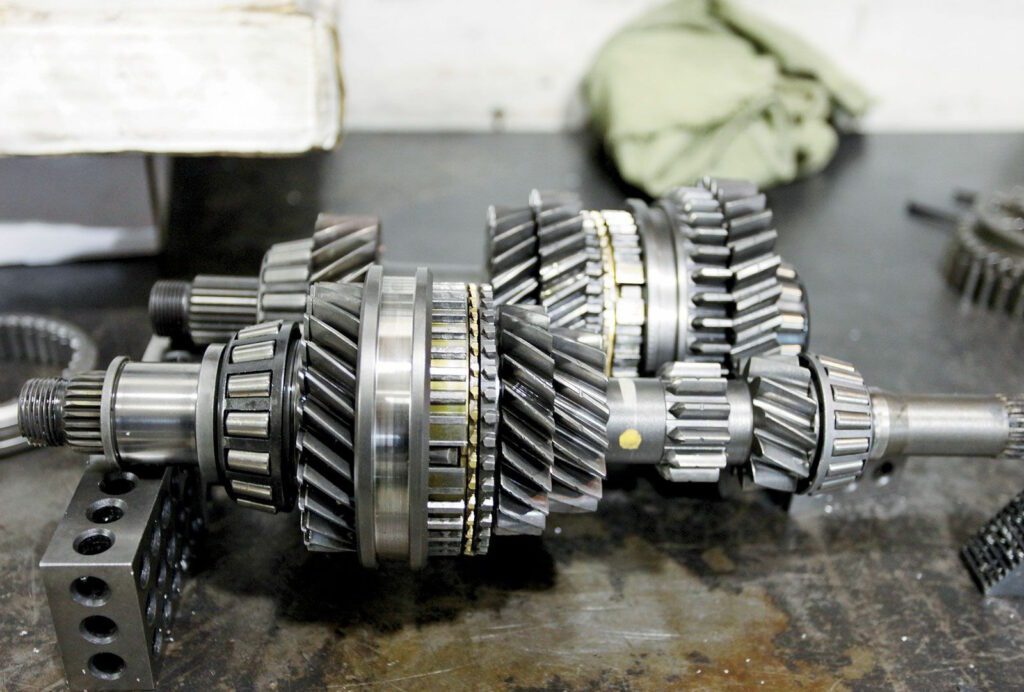
In the world of automotive customization, drivetrain modifications hold a special place for enthusiasts looking to enhance their vehicle’s performance, efficiency, and driving experience. The drivetrain, which includes all the components that transfer power from the engine to the wheels, is crucial for the vehicle’s operation. Modifying these components can lead to significant improvements in acceleration, handling, and fuel economy. This guide will explore the various aspects of drivetrain modifications, from simple upgrades to comprehensive overhauls, to help you unlock the full potential of your vehicle.
Understanding the Drivetrain Components
Before diving into modifications, it’s essential to understand the key components of the drivetrain:
- Engine: Although technically not a part of the drivetrain, the engine is the heart of your vehicle, generating the power that the drivetrain then transfers to the wheels. The engine’s performance, measured in horsepower and torque, is the starting point for any drivetrain modification. Enhancing engine performance can lead to a more demanding workload on the drivetrain, necessitating upgrades to handle the increased power and torque.
- Transmission: The transmission is a pivotal component of the drivetrain, serving as the mediator between the engine and the wheels. It ensures that the engine operates within an optimal RPM range while delivering power to the wheels.
- Driveshaft: The driveshaft is a long shaft that connects the transmission to the differential. Its primary role is to transmit the rotational power (torque) from the engine and transmission to the wheels. In rear-wheel drive (RWD) and all-wheel drive (AWD) vehicles, the driveshaft must be strong and durable to handle the torque, especially in high-performance or heavily modified vehicles.
- Differential: The differential is a complex component that performs two main functions: it allows the wheels to rotate at different speeds and changes the direction of rotation from the driveshaft to the axles. This is crucial for cornering, as the inside wheel in a turn needs to rotate slower than the outside wheel. There are several types of differentials, including open, limited-slip, and locking differentials, each offering different performance characteristics suitable for various driving conditions and preferences.
- Axles: Axles are the final link in the drivetrain, transferring power from the differential to the wheels. They must be robust enough to handle the torque transmitted through the drivetrain and the stresses of driving, such as acceleration, cornering, and braking. In high-performance or off-road vehicles, upgrading to stronger axles is often necessary to prevent failure under extreme conditions.
Popular Drivetrain Modifications
- Transmission Upgrades
- Performance Clutches and Flywheels: For manual transmissions, upgrading to a performance clutch and lighter flywheel can improve response and reduce power loss.
- Shift Kits: For automatic transmissions, installing a shift kit can make gear transitions quicker and more precise.
- Differential Modifications
- Limited Slip Differential (LSD): Replacing the standard differential with an LSD can significantly improve traction, especially in high-performance or off-road vehicles.
- Gear Ratio Changes: Modifying the gear ratios can optimize power delivery, enhancing acceleration or fuel efficiency depending on the setup.
- Driveshaft and Axle Upgrades
- Lightweight Driveshafts: Replacing the stock driveshaft with a lighter version reduces rotational mass, allowing for quicker acceleration.
- Stronger Axles: Upgrading to stronger axles is essential for vehicles with increased power to prevent breakage under stress.
- Engine Modifications Affecting Drivetrain Performance
- Turbochargers and Superchargers: Adding forced induction can significantly increase power output, requiring corresponding drivetrain upgrades to handle the extra torque.
- ECU Tuning: Remapping the engine’s electronic control unit (ECU) can optimize performance and affect how power is delivered through the drivetrain.
Considerations Before Modifying Your Drivetrain
Compatibility
Before undertaking any modifications, it’s paramount to ensure that the chosen upgrades are compatible with your specific vehicle’s make and model. Vehicles are engineered with a delicate balance in mind, and not all modifications suitable for one model will work or fit another. Compatibility issues can range from physical dimensions and mounting points to electronic integration with the vehicle’s onboard computer systems. Using parts that are not designed for your vehicle can lead to poor performance, increased wear and tear on other components, and even catastrophic failure. It’s advisable to conduct thorough research or consult with experts who specialize in your vehicle’s make and model to ensure compatibility.
Legal and Insurance Implications
Modifying your vehicle can have significant legal and insurance implications. Many regions have strict regulations governing vehicle modifications, particularly those that affect emissions, noise levels, and safety features. Installing parts that are not compliant with these regulations can result in fines, the vehicle failing its inspection, or even being impounded. Furthermore, insurance companies may view modifications as increasing the risk of an accident or theft, which can lead to higher premiums or denial of coverage. In some cases, insurers require notification of any modifications to maintain coverage. It’s crucial to check the legal requirements in your area and consult with your insurance provider before proceeding with drivetrain modifications.
Professional Installation
Drivetrain modifications often involve complex mechanical and electronic systems that require specialized knowledge and tools for proper installation. Incorrect installation can lead to reduced performance, damage to the vehicle, and even pose safety risks. For example, improperly installed components can come loose, leading to loss of control or catastrophic engine damage. Therefore, unless you have the necessary expertise and equipment, it’s generally best to have modifications performed by professional technicians who specialize in performance upgrades for your type of vehicle. Professionals can also provide valuable advice on which modifications will best meet your goals and ensure that the work is done correctly and safely.
Cost vs. Benefit
The allure of improved performance must be weighed against the cost of drivetrain modifications. Some upgrades offer significant performance gains for a relatively low investment, while others may provide only marginal improvements at a high cost. It’s important to set clear objectives for what you hope to achieve with the modifications, whether it’s better acceleration, improved towing capacity, or enhanced fuel efficiency. Researching and comparing the expected performance gains against the cost of parts and installation can help you make informed decisions. Additionally, consider the potential impact on the vehicle’s resale value and warranty. In some cases, aftermarket modifications can void warranties or decrease the vehicle’s market value, affecting the overall cost-benefit analysis.
Conclusion
Drivetrain modifications can transform your vehicle’s performance and driving experience. Whether you’re looking to improve acceleration, handling, or efficiency, there’s a wide range of upgrades available. By understanding the components of your drivetrain and carefully selecting modifications, you can create a customized driving experience that suits your needs and preferences. Remember, while the allure of enhanced performance is strong, it’s crucial to approach modifications thoughtfully, ensuring they align with your vehicle’s capabilities and your driving requirements.