
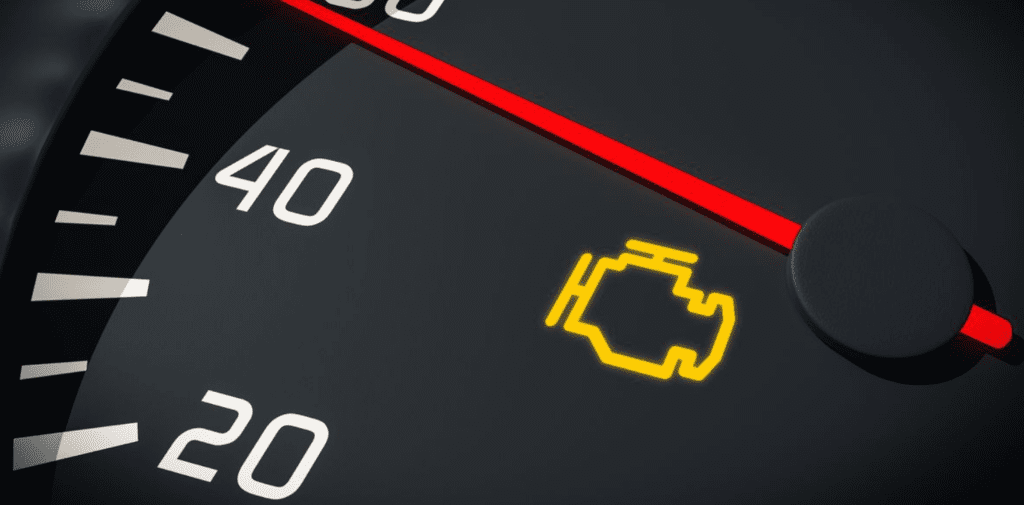
Vehicles today are equipped with sophisticated sensors that monitor and regulate various operational and safety parameters. When these sensors malfunction, they trigger warning lights on the dashboard, serving as an alert that something might be wrong. In this detailed guide, we will explore the five most commonly failing vehicle sensors, offering a comprehensive look at their roles, symptoms of failure, diagnostic processes, preventative maintenance tips, and real-life case studies.
1. Oxygen (O2) Sensors
Functionality and Importance
Oxygen sensors are critical for ensuring the engine burns fuel efficiently and minimizes emissions. Located in the vehicle’s exhaust system, these sensors measure the oxygen levels in the exhaust gases and provide feedback to the engine control unit (ECU). This feedback helps the ECU adjust the air-fuel mix to optimal levels, crucial for performance and environmental compliance.
Common Failures and Symptoms
The symptoms of an O2 sensor failure can be subtle at first but typically manifest as decreased fuel efficiency, increased emissions, a rough idle, or a lingering check engine light.
Case Study: 2015 Honda Civic
In the case of a 2015 Honda Civic, the car exhibited rough idling and unexpected engine stalling. Diagnostic checks showed an O2 sensor error with a high voltage reading, indicating the sensor was malfunctioning and not correctly measuring the exhaust oxygen levels. Replacing the sensor resolved the issues, restoring engine performance and efficiency.
Preventative Maintenance
To prevent O2 sensor failures:
- Regularly inspect the sensor during routine vehicle maintenance.
- Ensure the use of correct fuel types and avoid silicon or lead additives that might coat the sensor.
- Follow the manufacturer’s guidelines for sensor replacement, typically suggested every 60,000 to 90,000 miles.
2. Mass Airflow (MAF) Sensors
Functionality and Importance
The mass airflow sensor is crucial for determining the volume of air entering the engine. This measurement is essential for the ECU to balance and deliver the correct amount of fuel to the engine for efficient combustion.
Common Failures and Symptoms
A malfunctioning MAF sensor can lead to engine hesitation, stalling, and an overall drop in fuel efficiency. The engine may also run lean or rich, which can trigger the check engine light.
Case Study: 2010 Ford F-150
A 2010 Ford F-150 experienced significant power loss and poor acceleration. Initial diagnostics pointed towards a contaminated MAF sensor. Cleaning the sensor temporarily improved the situation, but eventually, the sensor required replacement to completely resolve the performance issues.
Preventative Maintenance
To maintain MAF sensor functionality:
- Periodically clean the MAF sensor using a cleaner specifically designed for this purpose.
- Check and replace the air filter regularly to prevent dirt from accumulating on the sensor.
3. Manifold Absolute Pressure (MAP) Sensors
Functionality and Importance
MAP sensors provide data about the air pressure inside the intake manifold, which is vital for the ECU to adjust fuel delivery and ignition timing according to engine load.
Common Failures and Symptoms
Failure of the MAP sensor often results in poor fuel economy, engine misfires, hesitation, and surging. These symptoms usually arise due to inaccurate air pressure readings sent to the ECU.
Case Study: 2008 Chevrolet Impala
A 2008 Chevrolet Impala reported erratic engine behavior and poor acceleration. The diagnostic error code indicated a low input from the MAP sensor. Cleaning the sensor and the surrounding area of debris and buildup resolved the erratic performance and restored normal acceleration.
Preventative Maintenance
Maintaining a MAP sensor involves:
- Regularly checking the sensor and its connections for damage or wear.
- Keeping the engine and its components clean to prevent debris from affecting the sensor’s performance.
4. Coolant Temperature Sensors
Functionality and Importance
Coolant temperature sensors monitor the temperature of the engine’s coolant. This temperature data is crucial for the ECU to manage fuel injection, ignition timing, and the radiator fan.
Common Failures and Symptoms
Symptoms of a failing coolant temperature sensor include fluctuating temperature gauge readings, overheating warnings, and sometimes even cold engine operation symptoms due to incorrect temperature readings.
Case Study: 2012 Toyota Camry
A 2012 Toyota Camry experienced repeated overheating alerts on the dashboard. Diagnostics identified a malfunctioning coolant temperature sensor showing erratic temperature readings. Replacing the sensor eliminated the false alerts and stabilized the temperature readings.
Preventative Maintenance
To prevent issues with coolant temperature sensors:
- Regularly check the coolant level and quality.
- Inspect the sensor for signs of corrosion or damage, especially during coolant system servicing.
5. Tire Pressure Monitoring System (TPMS) Sensors
Functionality and Importance
TPMS sensors are essential for monitoring the air pressure in the vehicle’s tires and crucial for maintaining proper tire inflation for safety, tire longevity, and fuel efficiency.
Common Failures and Symptoms
Typical TPMS sensor failures manifest as incorrect dashboard warnings about tire pressure, either too high or too low, often indicated by a persistent or flashing TPMS warning light.
Case Study: 2022 Genesis GV80
A 2022 Genesis GV80 frequently displayed the TPMS warning light despite the tires being correctly inflated. After scanning each TPMS sensor with a TPMS diagnostic tool, diagnosis revealed a dead battery in one of the Genesis tire pressure sensors, and replacing it corrected the false warnings.
Preventative Maintenance
To ensure reliable TPMS sensor performance:
- Regularly check sensor batteries, especially in vehicles older than five years.
- Maintain proper tire pressure and inspect tires for damage or wear regularly.
- Compare manual tire pressure checks with the tire pressure information on the vehicle display screen.