
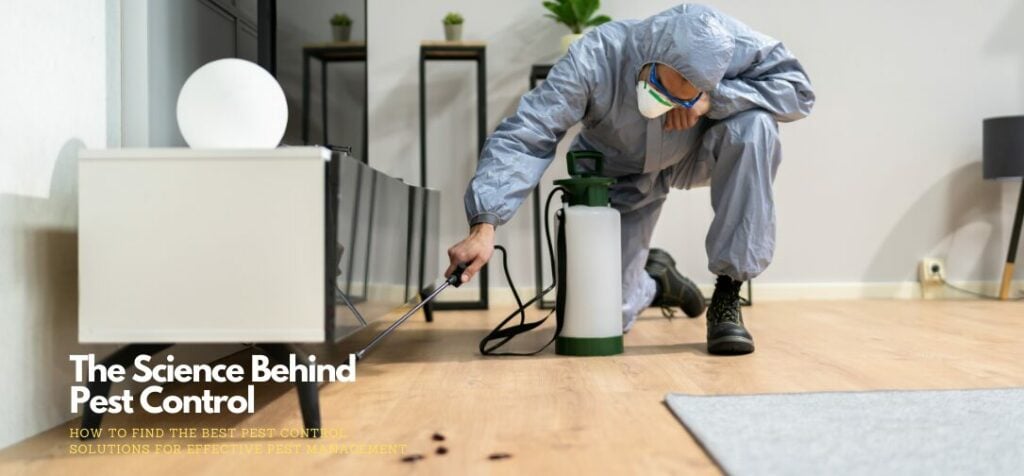
Pest control is an essential aspect of maintaining a healthy and safe environment, both in urban and rural settings. Pests, which include insects, rodents, and other organisms, can pose significant health risks, cause economic damage, and disrupt ecological balances. The science behind pest control involves understanding the biology of pests, their behavior, and the environmental factors that influence their populations. Additionally, effective pest management requires a strategic approach that combines various methods and technologies to prevent, manage, and eliminate pest infestations.
This article explores the science of pest control, the various strategies used in pest management, and how to find the best pest control solutions in Canberra. It looks into the biological and ecological principles that underpin pest control, examines the tools and techniques available, and provides insights into selecting the most appropriate pest management practices for specific needs.
Understanding Pests: Biology and Behavior
1. The Biology of Pests
Pests are organisms that compete with humans for food, water, and shelter, often causing harm or discomfort in the process. The term “pest” is broad, encompassing a wide range of species, including insects (such as ants, termites, and mosquitoes), arachnids (such as spiders and ticks), rodents (such as rats and mice), and even larger animals (such as birds and mammals in some contexts).
The biological characteristics of pests are crucial in determining the methods used for their control. For example:
- Insects: Insects are among the most common pests, and their control is often complex due to their rapid reproductive cycles, resistance to certain chemicals, and ability to adapt to various environments. Understanding the life cycle of insects, including stages like egg, larva, pupa, and adult, is essential for effective control. For instance, targeting insects during their larval stage can be more effective in preventing the emergence of adults.
- Rodents: Rodents like rats and mice are known for their high reproductive rates and ability to thrive in close proximity to humans. Their biology includes sharp teeth that can chew through various materials, making them particularly destructive. Effective rodent control often requires a combination of trapping, baiting, and exclusion techniques to manage their populations.
- Pathogen-Carrying Pests: Some pests, such as mosquitoes and ticks, are vectors for diseases. These pests are particularly dangerous because they can transmit pathogens that cause illnesses such as malaria, Lyme disease, and Zika virus. Controlling these pests requires an understanding of their breeding habits, feeding behavior, and the environmental conditions that support their populations.
2. Behavioral Patterns of Pests
Pest behavior is another critical aspect of pest control. Understanding how pests interact with their environment, locate food, and reproduce can inform the development of control strategies. Key behavioral patterns include:
- Foraging Behavior: Pests are often attracted to food sources. For example, ants follow pheromone trails to locate food, while rodents are attracted to readily available food and water sources. By understanding these behaviors, pest control measures can be targeted at disrupting these patterns, such as removing food sources or using baits that exploit foraging behaviors.
- Habitat Preferences: Different pests prefer different habitats. Termites, for example, thrive in moist, wood-rich environments, while mosquitoes breed in standing water. Identifying and altering these habitats can reduce pest populations. For instance, draining stagnant water can significantly reduce mosquito breeding sites.
- Social Structure: Some pests, like ants and termites, have complex social structures with distinct roles for different members of the colony. Disrupting the social hierarchy or targeting the queen can lead to the collapse of the entire colony, making these behaviors important targets for pest control.
The Science of Pest Control: Methods and Techniques
1. Chemical Control
Chemical control involves the use of pesticides to kill or repel pests. This method is one of the most common in pest management but requires careful consideration due to potential risks to human health, non-target species, and the environment.
- Insecticides: These chemicals are specifically designed to kill insects. They can be applied in various forms, including sprays, baits, and granules. However, over-reliance on insecticides can lead to resistance, where pests evolve to withstand the effects of the chemicals. Rotating different classes of insecticides and integrating them with other control methods can mitigate resistance.
- Rodenticides: These are chemicals used to control rodent populations. Rodenticides can be anticoagulants, which prevent blood clotting and cause internal bleeding in rodents, or acute toxins, which kill quickly after ingestion. Proper placement and use are essential to avoid accidental poisoning of non-target animals and humans.
- Herbicides: Although primarily used in agricultural settings, herbicides control weed pests that can harbor other pests or compete with crops for nutrients. Understanding the life cycle of weeds and applying herbicides at the right time can increase their effectiveness.
2. Biological Control
Biological control involves the use of natural predators, parasites, or pathogens to manage pest populations. This method is considered more environmentally friendly than chemical control and can provide long-term pest management solutions.
- Predators: Introducing or encouraging natural predators of pests can effectively reduce pest populations. For example, ladybugs are natural predators of aphids, and birds can control insect populations in gardens and agricultural fields.
- Parasites: Some insects, such as parasitic wasps, lay their eggs in or on pest insects. When the eggs hatch, the larvae consume the host, eventually killing it. This method is particularly useful in controlling pests like caterpillars and beetles.
- Pathogens: Pathogens such as bacteria, viruses, and fungi can infect and kill pests. Bacillus thuringiensis (Bt) is a well-known bacterium used as a biological pesticide against caterpillars and other insect larvae. The advantage of pathogens is their specificity, which reduces the risk of harming non-target species.
3. Physical and Mechanical Control
Physical and mechanical control methods involve the use of barriers, traps, and manual removal to reduce pest populations. These methods are often used in combination with other strategies for integrated pest management.
- Traps: Traps are widely used for controlling rodents, insects, and other pests. They can be baited with food or pheromones to attract pests. Traps are useful for monitoring pest populations and can be an effective means of reducing numbers, particularly in enclosed spaces.
- Barriers: Physical barriers, such as screens, nets, and fences, can prevent pests from entering an area. For example, mosquito nets are effective in reducing mosquito bites and the transmission of diseases. Exclusion techniques, such as sealing cracks and gaps in buildings, can also prevent pests like rodents and insects from gaining entry.
- Manual Removal: In some cases, pests can be manually removed from an area. This method is often used for small infestations or in combination with other techniques. For example, hand-picking insects off plants or vacuuming up pests can be effective in certain situations.
4. Cultural Control
Cultural control involves modifying the environment or practices to reduce the attractiveness or suitability of an area for pests. This method is often used in agricultural settings but can be applied in urban environments as well.
- Crop Rotation: Rotating crops can disrupt the life cycles of pests that are specific to certain plants. By planting different crops each season, pests that depend on a particular crop are less likely to establish large populations.
- Sanitation: Keeping areas clean and free of debris, food waste, and standing water can reduce the availability of resources for pests. Proper waste management, regular cleaning, and maintenance are essential components of cultural control.
- Landscaping Practices: Certain landscaping practices, such as choosing pest-resistant plant varieties or spacing plants to improve air circulation, can reduce pest problems. Mulching, pruning, and maintaining healthy plants can also help prevent pest infestations.
Integrated Pest Management (IPM): A Holistic Approach
Integrated Pest Management (IPM) is a comprehensive approach to pest control that combines multiple strategies to achieve effective and sustainable pest management. IPM focuses on long-term prevention and control of pests through a combination of biological, cultural, physical, and chemical methods.
1. Principles of IPM
- Prevention: The first line of defense in IPM is preventing pests from becoming a problem in the first place. This involves practices such as selecting pest-resistant plant varieties, maintaining healthy ecosystems, and implementing good sanitation practices.
- Monitoring: Regular monitoring of pest populations is essential in IPM. This can involve visual inspections, trapping, and other techniques to assess pest levels and identify the presence of pests before they become a major problem.
- Thresholds: In IPM, action is only taken when pest populations reach a certain threshold, where the damage they cause outweighs the cost of control measures. This approach avoids unnecessary use of pesticides and minimizes environmental impact.
- Control: When action is necessary, IPM employs a combination of control methods tailored to the specific pest and situation. The choice of control measures depends on factors such as the type of pest, the extent of the infestation, and the potential risks to non-target species and the environment.
- Evaluation: After implementing control measures, the effectiveness of the action is evaluated. This step involves assessing whether the pest problem has been successfully managed and if the methods used were appropriate. Evaluation helps refine future pest management strategies.
2. Benefits of IPM
IPM offers several advantages over traditional pest control methods, including:
- Environmental Protection: By reducing the reliance on chemical pesticides and promoting the use of biological and cultural controls, IPM minimizes the impact on non-target species, water quality, and soil health.
- Economic Efficiency: IPM can be more cost-effective in the long term by preventing pest problems before they become severe and by reducing the need for repeated pesticide applications.
- Sustainability: IPM promotes sustainable pest management by focusing on long-term prevention and control. This approach helps maintain the ecological balance and reduces the risk of pests developing resistance to control measures.
Finding the Best Pest Control Solutions
Choosing the best pest control solution requires a thorough understanding of the pest problem, the available control methods, and the specific needs of the situation. Here are some key considerations for finding the most effective pest management solutions:
1. Identify the Pest
The first step in finding the best pest control solution is correctly identifying the pest. Different pests require different control strategies, and misidentification can lead to ineffective or counterproductive measures. For example, treating a termite infestation with general insecticide may not be effective, as termites require specific treatments that target their colonies.
2. Assess the Extent of the Infestation
The severity of the pest problem will influence the choice of control methods. A small, localized infestation may be managed with simple, non-chemical methods, while a widespread infestation may require more intensive measures, including chemical treatments or professional pest control services.
3. Consider the Environment
The environment in which the pest problem occurs is an important factor in determining the best control method. For example, pest control in an agricultural setting may require different approaches than pest control in an urban apartment. Additionally, the presence of non-target species, such as pets or beneficial insects, should be considered when selecting control measures.
4. Evaluate the Risks and Benefits
Each pest control method has its own set of risks and benefits. Chemical controls, while often effective, can pose health risks to humans and animals and may harm the environment. Biological controls are environmentally friendly but may take longer to achieve results. Physical controls are generally safe but may require more effort and maintenance. Evaluating these factors will help determine the most appropriate solution.
5. Consult with Professionals
In many cases, particularly for severe or complex pest problems, consulting with a professional pest control service is advisable. Professionals have the expertise, experience, and access to specialized tools and treatments that may not be available to the general public. They can also provide guidance on implementing integrated pest management strategies tailored to specific needs.
6. Monitor and Adjust
Pest control is not a one-time event but an ongoing process. After implementing a pest control solution, it’s important to monitor the situation to ensure that the problem is being effectively managed. If necessary, adjustments to the control strategy should be made to address any new challenges or changes in the pest population.
Conclusion
The science of pest control is a multidisciplinary field that combines biology, ecology, chemistry, and technology to manage and prevent pest infestations. Understanding the biology and behavior of pests is essential for developing effective control strategies, while the choice of control methods depends on factors such as the type of pest, the environment, and the severity of the infestation.
Integrated Pest Management (IPM) represents the gold standard in pest control, offering a holistic approach that combines prevention, monitoring, thresholds, and a variety of control methods to achieve sustainable pest management. By carefully selecting and implementing the most appropriate pest control solutions, individuals and organizations can protect their health, property, and environment from the harmful effects of pests.