
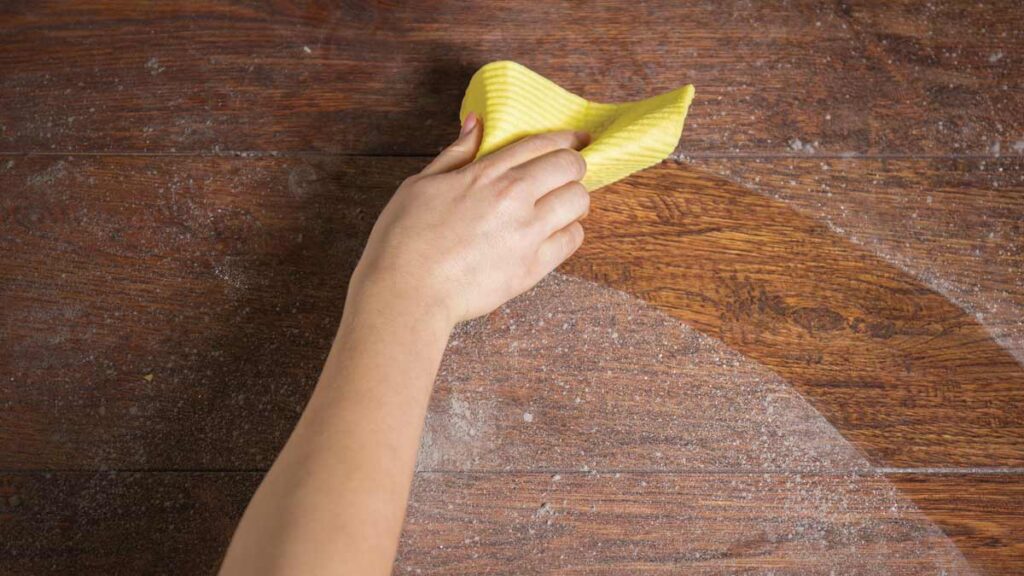
Dust Testing Technology and the Next Frontier in Home Health
In today’s connected and data-driven world, our focus often lies on wearable health devices, smart thermostats and home automation. But emerging under the radar is a less obvious yet critical frontier of innovation: home environmental diagnostics. With advances in dust testing technology, we are finally able to expose what has long been hidden — microscopic contaminants in our indoor environments that impact health and productivity.
Why Hidden Mold Detection Matters for Business & Wellness
Indoor air quality is no longer just a wellness concern—it’s a business-innovation opportunity. Commercial real-estate firms, workplace safety managers and health-focused startups are recognizing that the health of a building’s occupants is a competitive differentiator. Undetected mould or microbial growth can trigger absenteeism, legal liability and reputational risk.
The term hidden mold detection highlights this shift. Rather than waiting for visible mold growth or flooding, businesses and homeowners are turning to advanced diagnostics that detect mold DNA, spores and microbial by-products long before the damage becomes obvious. In fact, conventional methods such as visual inspection or basic air sampling often fail to catch mould growing behind walls or under floorboards.
How Home Air Quality Tech is Evolving
The leap from simple air-quality sensors to deeper environmental diagnostics is happening now. While many homes use real-time sensors for humidity or particulate matter, the next wave is home air quality tech that captures dust samples and leverages DNA-based lab analysis to give a comprehensive picture of what’s settling in the home environment.
For example, one advanced at-home solution allows homeowners to mail in a dust sample, where it is analyzed for more than 30 mold species using PCR (polymerase chain reaction) technology—reporting species type, concentration, likely growth source and health correlation. The Dust Test
This kind of capability turns the home into a data point in broader health / property analytics. Real estate firms could integrate such diagnostics into property inspection workflows; health-tech startups could pair indoor environmental data with wearables; insurance companies could build new underwriting models based on environmental risk factors.
Business Innovation – Why Dust Analytics is a Strategic Play
From a business perspective, the rise of dust-based diagnostics opens several strategic avenues:
- New service models: Service companies can offer subscription models for regular dust testing, providing quarterly environmental health reports.
- Data aggregation & insights: Aggregated results across homes or buildings offer macro-level insights — e.g., how design, materials or location affect indoor microbial risk.
- Integration with smart home ecosystems: Imagine a home platform that not only tracks air quality in real time, but suggests when to collect a dust sample and auto-schedules lab analysis.
- Risk management & asset value: For commercial landlords or real-estate investors, investing in hidden mold detection technology can reduce liability, increase tenant retention, and protect assets.
How It Works – From Dust to Diagnostics
Understanding how this works gives firms and consumers confidence in the tech:
- Sample collection: A homeowner or building manager collects a dust sample from vents, floors or HVAC filters.
- Lab analysis: Using PCR and other molecular biology tools, the lab identifies specific mould species and quantifies them. This offers far greater sensitivity than visible inspection or basic air pump‐based testing.
- Interpretation: A results portal translates the raw data into actionable insights—whether a remediation specialist should be called, what materials might be affected, and how exposure may relate to occupant symptoms.
- Action planning: Based on the results, stakeholders can decide on remediation, ventilation upgrades or ongoing monitoring.
A Case in Point: Bringing Household Diagnostics to Market
As an example of this innovation in action, consider how the team behind The Dust Test has leveraged dust testing technology to bring lab-grade diagnostics into the consumer market. Their platform supports homeowners by providing clear, actionable results—matching microbial data with health-related insights and remediation pathways.
Such solutions reflect the broader movement toward “diagnostics at home” and emphasise how health-tech is moving beyond wearables into the walls, vents and dust of our buildings.
Key Considerations for Adoption
While promising, this category comes with considerations:
- Data interpretation: Building owners and users must understand what the results mean and avoid false alarms.
- Privacy & data security: Environmental health data can be sensitive, particularly when linked with occupant health, so platforms must ensure robust data governance.
- Integration into workflows: Offices, schools or multi-unit dwellings need to integrate diagnostics into existing maintenance and property management systems.
- Cost vs. value: Early adopters may face higher costs; demonstrating ROI in terms of improved health outcomes, lower maintenance, or higher tenancies will accelerate adoption.