
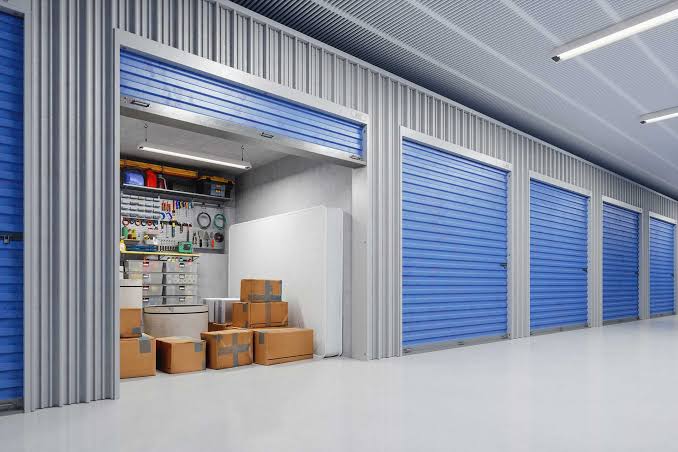
When renting a self-storage unit, choosing whether to buy insurance might seem straightforward, but it’s influenced by how we perceive risks. Self-storage insurance covers losses to your stored items caused by events like theft or damage. Understanding your perceptions of these risks can help you make smarter decisions about insurance.
Read on as we explore how our brains process risks, the impact of emotions, and social and economic factors on these decisions. We’ll start by explaining what self-storage insurance is, discuss why it’s important to understand how we view risks, and then dive into the psychological factors that guide our insurance choices.
By the end, you’ll gain insights into the subtle forces that guide your insurance decisions and learn how to approach them more wisely.
The Concept of Risk Perception
Risk perception refers to how you perceive the probability and impact of negative events. It is important in making decisions in uncertain circumstances, such as obtaining insurance for items stored in a self-storage facility. Fundamentally, it involves assessing the likelihood of something going wrong, like damage or theft, and how severe the consequences of such an event would be.
What are the Factors Influencing Risk Perception?
- Personal Experiences: If you have ever had an item stolen or damaged while in storage, it is natural to be concerned that it may happen again. These past experiences can make future losses seem more possible and real, leading you to consider purchasing storage insurance to protect against potential repeats.
- Cognitive Biases: Sometimes, our brains can be misleading by distorting our judgment. For instance, if you come across a story about a storage unit theft, you may overestimate the likelihood of such an event happening to you. This cognitive bias can lead us to be excessively cautious or recklessly indifferent. Regarding self-storage, this bias may prompt you to over-insure your belongings or skip insurance altogether.
- Socio-cultural Factors: Your place of origin and the values you have been taught can influence your perception of risks. Certain cultures encourage people to be highly cautious and safeguard their possessions, which can increase the likelihood of them purchasing insurance. On the other hand, in communities where people have a strong sense of trust and security, the perceived necessity for insurance may be lower.
- The Value of Stored Items: The perceived risk of items stored in self-storage units is influenced by their monetary or sentimental value. This often leads individuals to prioritize insurance coverage for these items.
How Does Risk Perception Influence Insurance Decisions?
Risk perception plays a significant role in shaping individuals’ decisions regarding self-storage insurance:
- Decision to Insure: The perceived level of risk directly influences the decision on whether to purchase self-storage insurance. Individuals who perceive higher risks associated with self-storage are more likely to opt for insurance coverage to mitigate potential financial losses.
- Amount of Coverage Purchased: The extent to which individuals perceive risks also influences the amount of insurance coverage they purchase. Those who perceive greater risks may opt for higher coverage limits to ensure adequate protection for their stored belongings.
- Type of Insurance Chosen: Additionally, risk perception affects the type of insurance chosen. Individuals with heightened risk perceptions may opt for comprehensive coverage that includes protection against a wide range of risks. In contrast, those with lower risk perceptions may choose more basic coverage options.
Application to Self-Storage Insurance Decisions
Self-storage insurance provides a safety net for your stored belongings, protecting against potential financial losses caused by damage or loss. It covers items stored outside your home, usually in self-storage facilities. Although policies can vary, they generally offer coverage for a range of risks, including:
- Natural Disasters: Self-storage insurance typically covers natural disasters such as floods, earthquakes, hurricanes, and tornadoes, which can cause significant damage to stored items. Insurance is essential to protect against such events.
- Burglary and Theft: The risk of theft is high for self-storage units. Protect your belongings with self-storage insurance, which provides financial coverage in case of robbery or burglary.
- Other Risks: Self-storage insurance may cover damages caused by fire, water leakage, mould, and other events that could damage your stored items.
Cognitive Biases in Self-Storage Insurance Decisions
Humans tend to have certain ways of thinking that can cause them to make decisions that are not always logical. These ways of thinking are called cognitive biases. When it comes to deciding on whether or not to get self-storage insurance, several cognitive biases could affect an individual’s decision-making process.
Loss Aversion Bias:
- Explanation: Loss aversion bias is a human tendency in which people prefer avoiding losses over acquiring gains. This bias can affect the decision to buy self-storage insurance, where the fear of losing stored items can outweigh the actual risk of loss, even if it is low.
- Impact on Insurance Decisions: People are likelier to buy insurance for their stored possessions, even if the probability of damage or loss is low. The emotional attachment to valuable items can override a rational assessment of the actual risk.
Optimism Bias:
- Explanation: It’s common for people to underestimate the likelihood of negative events happening to them, which is known as optimism bias. In the context of self-storage insurance, some individuals may believe they are less likely to experience negative events than others.
- Impact on Insurance Decisions: Those affected by optimism bias may underestimate the risks associated with self-storage, leading them to believe that insurance coverage is unnecessary. As a result, they may be less likely to purchase insurance, even when it could provide valuable protection against potential losses.
Availability Heuristic:
- Explanation: The availability heuristic is a mental shortcut that relies on immediate examples that come to mind when evaluating a topic or making a decision. In the context of self-storage insurance decisions, individuals may be overly influenced by recent news about disasters affecting storage units, leading to skewed risk perception.
- Impact on Insurance Decisions: Recent news stories about thefts, fires, or other disasters affecting self-storage facilities can make these events seem more common and significant than they are. As a result, individuals may overestimate the risk of such events and be more likely to purchase insurance coverage, even if the actual likelihood of these events occurring is low.
Anchoring Effect:
- Explanation: The anchoring effect refers to the tendency of people to rely heavily on the first piece of information they receive, also known as the anchor, when making decisions. Regarding self-storage insurance, the initial exposure to either high or low insurance premiums can anchor expectations and subsequently influence insurance decisions.
- Impact on Insurance Decisions: Individuals often make insurance decisions based on the initial premium rates they come across instead of comprehensively assessing their insurance needs. This tendency can result in either over-insuring or under-insuring, depending on whether the initial premiums are perceived as high or low.
Overall Impact on Insurance Decisions:
Cognitive biases can significantly impact our decisions regarding self-storage insurance. These biases can cause us to make choices that deviate from rational decision-making. It is important for individuals seeking insurance coverage and insurance providers to understand these biases to tailor their offerings to effectively meet customer needs. By recognizing and addressing these cognitive biases, individuals can make more informed decisions about self-storage insurance, ensuring adequate protection for their stored belongings.
Strategies for Improving Risk Perception in Self-Storage Insurance Decisions
Improving risk perception is essential for making informed decisions regarding self-storage insurance. Here are some strategies to help individuals better understand and evaluate the risks associated with self-storage:
Education and Awareness Campaigns:
- Explanation: Education and awareness campaigns can help promote a better understanding of the risks and benefits of self-storage insurance and guide individuals in making more informed decisions.
- Impact on Risk Perception: By providing information about common risks associated with self-storage, such as theft, environmental damage, and vandalism, individuals can develop a more accurate perception of the risks involved. Understanding the benefits of insurance coverage can also help individuals recognize the importance of protecting their stored belongings.
- Actionable Step: Insurance providers and self-storage facilities can launch educational campaigns through various channels, including websites, brochures, and informational sessions, to help individuals understand the need for insurance coverage and its benefits.
Providing Accurate Information about Risks:
- Explanation: Being transparent about the likelihood and potential impact of risks associated with self-storage can help individuals recalibrate their risk perceptions.
- Implications for Risk Perception: Accurate information about common risks’ likelihood and potential impact can help individuals develop a more realistic understanding of the risks involved in self-storage. By providing clear and transparent information, individuals can make more informed decisions about the need for insurance coverage.
- Actionable Step: Insurance providers and self-storage facilities can provide accurate information about common risks associated with self-storage. This information should include details about the likelihood and potential impact of each risk and the benefits of insurance coverage in mitigating these risks.
Encouraging Rational Decision-Making:
- Explanation: Using tools and resources to evaluate risks objectively can help mitigate the impact of cognitive biases.
- Implications for Risk Perception: By providing tools and resources that help individuals evaluate risks objectively, such as risk assessment tools and decision-making frameworks, individuals can make more rational decisions about self-storage insurance.
- Actionable Step: Insurance can offer online tools and resources that help individuals assess their risk exposure, evaluate the need for insurance coverage, and compare different insurance options. These tools should be easy to use and provide clear, objective information to help individuals make informed decisions.
Importance of Seeking Professional Advice:
- Explanation: Consulting with insurance professionals can clarify and tailor insurance solutions to individual needs.
- Impact on Risk Perception: Insurance professionals can provide personalized advice and guidance to help individuals understand their insurance needs, assess their risk exposure, and choose the right insurance coverage. By consulting with insurance professionals, individuals can better understand the risks associated with self-storage and make more informed decisions about insurance coverage.
- Actionable Step: Insurance providers can offer personalized consultations with insurance professionals to help individuals understand their insurance needs and choose the right coverage. These consultations can be conducted in person, over the phone, or online and should allow individuals to ask questions and receive personalized advice and guidance.
Wrapping it up!
It’s important for renters and insurance providers in the self-storage industry to understand the psychology of risk. Renters can make better choices by knowing how their biases and perceptions may affect their decision-making. By recognizing these psychological factors, insurance providers can tailor their communication and offerings to meet consumers’ needs better. This can ultimately help with the decision-making process related to self-storage insurance.
The decision to invest in insurance for self-storage units depends on both tangible and intangible factors. While the storage facility’s physical security and the stored items’ safety are important, psychological factors such as risk perception also play a significant role.
Read More From Techbullion And Businesnewswire.com